
Valerie Solanas: life, writings, the SCUM Manifesto and the Warhol shooting
Overview of Valerie Solanas, American radical feminist writer and playwright best known for the SCUM Manifesto and for shooting Andy Warhol; covers her works, trial, later life and legacy.
Valerie Solanas (1936–1988) was an American writer and provocateur whose name remains associated with extreme feminist rhetoric and a violent clash with the New York art world. Born in New Jersey, she wrote plays and polemical non‑fiction and is best known for the SCUM Manifesto, a short, incendiary tract that called for overturning male‑dominated structures. Her life combined literary activity, public controversy and episodes of criminal and psychiatric intervention. For a general biography see biographical overview.
Image gallery
5 Images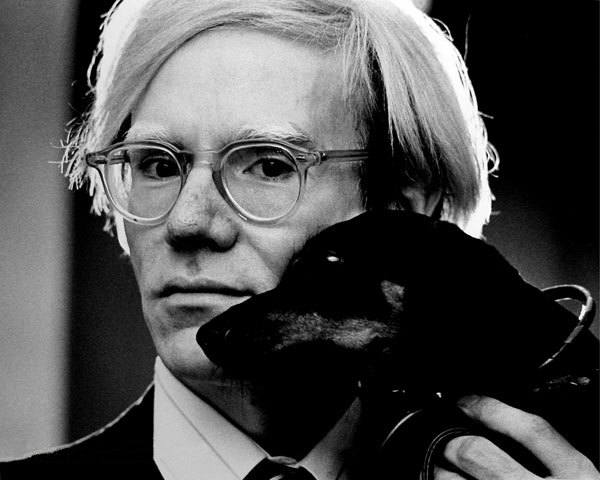


Early life and background
Solanas spent her early years in the northeastern United States and moved to urban centers where she sought work in theater and publishing. She identified as a lesbian and was outspoken about gender and power. In the 1960s she produced plays and attempted to place her work within avant‑garde circles, sometimes clashing with established figures. Background context for the era and the artistic scene can be found at period context.
Writings and ideas
Her most famous work, the SCUM Manifesto, was self‑published in 1968 and presents a radical critique of patriarchy and gender relations. Readers and scholars disagree about tone and intent: some read it as literal advocacy for violent action, others as satirical provocation or an extreme thought experiment. Solanas also wrote plays, including an unpublished piece often cited by commentators. Representative texts and analyses are available at primary texts and at critical commentary.
- Notable works: SCUM Manifesto (self‑published, 1968)
- Plays and short writings, including the unpublished play sometimes called "Up Your Ass"
- Various pamphlets and polemical writings circulated in small editions
The 1968 shooting and legal aftermath
In 1968 Solanas shot the artist Andy Warhol and wounded art critic Mario Amaya, an event that drew national attention and shifted public discussion of her writings. She was arrested, charged and later convicted of assault; sources report that in the years immediately following the shooting she received psychiatric diagnoses, including schizophrenia. She served a brief prison sentence and was also committed to psychiatric facilities before being released in the early 1970s. Court records and legal summaries may be consulted at legal record and trial coverage.
After her release Solanas lived with little public recognition for much of the 1970s and 1980s. Medical and institutional histories reference her diagnosis and treatments; for medical or institutional background see medical context and institutional records.
She died in San Francisco in 1988 from complications of pneumonia at age 52. Notices of her death, obituaries and archival materials are available at obituary sources and archival collections.
Legacy: Solanas remains a contested figure. Feminist scholars, historians of art and cultural critics continue to debate whether the SCUM Manifesto should be read as a document of extremist anger, feminist satire, or a historical artifact illuminating the tensions of the 1960s. Her life raises questions about mental illness, radical politics, and the boundaries between cultural dissent and criminality; readers can find further interpretation in scholarly and archival resources linked above.
Related articles
Author
AlegsaOnline.com Valerie Solanas: life, writings, the SCUM Manifesto and the Warhol shooting Leandro Alegsa
URL: https://en.alegsaonline.com/art/104011