
Uthman ibn Affan: Third Rashidun Caliph and Quran Compiler
Uthman ibn Affan, third Rashidun caliph (r. 644–656), oversaw expansion, commissioned the standardized Qur'an manuscript, and whose assassination triggered the First Fitna.
Uthman ibn Affan (Arabic: عثمان بن عفان) served as the third caliph of the early Muslim community and is counted among the four rightly guided caliphs in Sunni tradition. He came from the Umayyad branch of the Quraysh tribe in Mecca and is an important figure in the history of Islam.
Image gallery
7 Images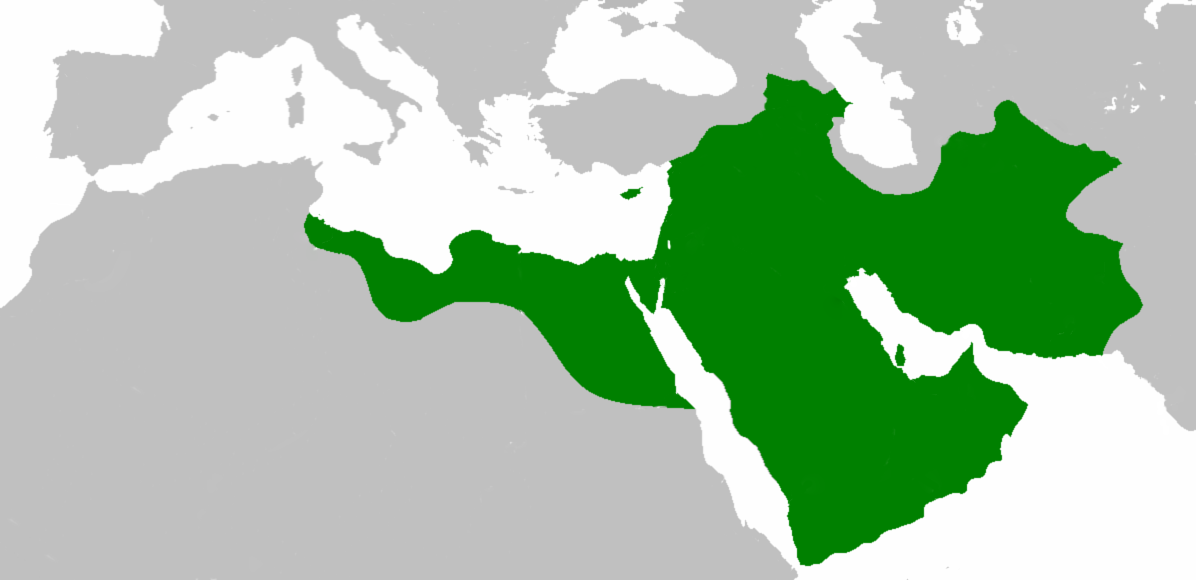




Early life and background
Uthman was born into a prominent mercantile family of the Quraysh in Mecca, around the end of the 6th century CE. Unlike most of his contemporaries, he knew how to read and write, a skill that contributed to his success in business. He made his fortune in trade, particularly in textiles, and gained a reputation as a prosperous and respectable merchant.
Conversion and ties to the Prophet
He accepted the teachings of the Prophet Muhammad in the early years of the new faith. Uthman formed close personal ties with the Prophet: he is traditionally recorded as having married two of Muhammad’s daughters, first Ruqayyah and later Umm Kulthum, a circumstance that earned him the honorific title often translated as “the possessor of two lights.”
As caliph (r. 644–656)
After the deaths of Abu Bakr and Umar, Uthman was chosen as caliph in 644. His rule oversaw continued territorial expansion and administrative consolidation of the Muslim state. One of the most consequential acts attributed to his caliphate was the preparation and dissemination of an official written version of the Qur’an to reduce variations in recitation and reading across the growing empire; copies were sent to major provinces and variant materials were reportedly suppressed to preserve textual uniformity.
Uthman’s appointments of relatives to important provincial positions provoked criticism from some quarters and contributed to political tensions. Economic grievances, complaints about provincial governance, and disputes over policy led to increasing unrest in parts of the empire during the later years of his rule.
Assassination and aftermath
In 656, a group of rebels from several provinces besieged Uthman’s house in Medina. He was killed during the attack, an event that shocked the community and precipitated the first large-scale civil conflict within the Muslim polity, often called the First Fitna. His death marked a turning point in early Islamic history and deepened rivalries that affected subsequent generations.
Reputation and legacy
Uthman is venerated in Sunni Islam as one of the rightly guided caliphs and remembered for his role in the compilation of the Qur’an and for leading the community during a period of rapid expansion. Opinions of his caliphate vary: many praise his administrative achievements, while others criticize aspects of his governance and the nepotism allegations that surrounded him. Historians treat his reign as a complex period that shaped institutional and political developments in the early Islamic state.
- Born: circa late 6th century CE; died: 656 CE (assassinated in Medina)
- Clan: Umayyad family of the Quraysh
- Notable for: commercial success, marriage into the Prophet’s family, compilation of the Qur’anic text, and his contested final years as caliph
Related articles
Author
AlegsaOnline.com Uthman ibn Affan: Third Rashidun Caliph and Quran Compiler Leandro Alegsa
URL: https://en.alegsaonline.com/art/103730