
Uwe Timm (libertarian writer and anarchist)
German libertarian and anarchist writer (1932–2014), anti‑militarist and co‑editor of the journal espero; active in post‑war libertarian circles and later based in Barcelona.
Overview
Uwe Timm (5 February 1932 – 7 March 2014) was a German libertarian writer, anarchist and outspoken anti‑militarist. Born in Hamburg during the period of Nazi Germany, he became known for essays and editorial work in post‑war libertarian and anti‑war circles. He was a co‑editor of the journal espero and contributed to debates on non‑hierarchical organization and conscientious objection. Writer and anarchist are among the roles by which he is commonly described; his birthplace is frequently cited as Hamburg, in the context of Nazi Germany.
Image gallery
1 Image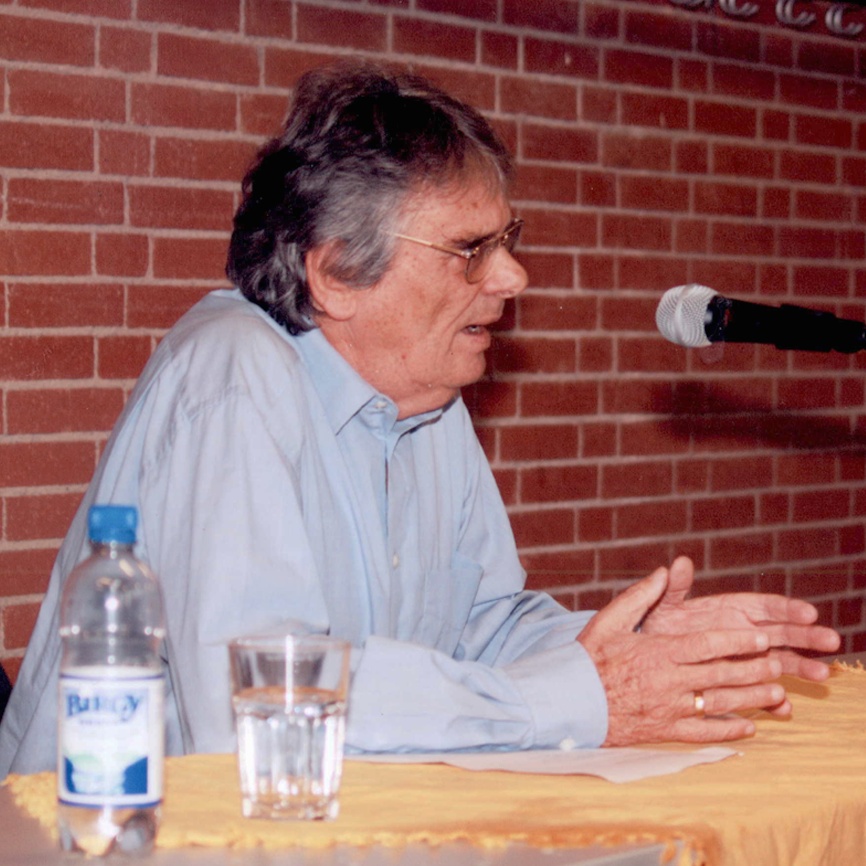
Ideas and themes
Timm's work emphasized anti‑authoritarian politics and resistance to militarization. He critiqued state power and compulsory military service, arguing for decentralized social arrangements and voluntary association. His anti‑militarist stance often intersected with broader pacifist and civil‑liberties concerns, and he was involved in networks that promoted alternative forms of social organization and direct action rather than electoral or state‑centric solutions.
Career and activities
Throughout his life Timm combined writing, editing and activism. As co‑editor of espero he helped shape discussion among libertarian publishers and periodicals, publishing essays and organizing contributions from like‑minded activists. In later years he lived in Barcelona and remained engaged with Spanish and international libertarian circles; his death on 7 March 2014 in Barcelona, Spain was noted by peers across Europe.
Legacy and notable facts
Timm is remembered chiefly within anarchist and anti‑militarist communities for his editorial work and his persistence in promoting non‑coercive politics. He should not be confused with another German writer of the same name who is a novelist born in 1940. His career illustrates the vibrancy of post‑war libertarian movements in Germany and the cross‑border connections they maintained into the 21st century.
- Born: 5 February 1932, Hamburg.
- Died: 7 March 2014, Barcelona.
- Roles: writer, anarchist, anti‑militarist, co‑editor of espero.
- Main themes: anti‑militarism, decentralization, civil resistance.
- Distinctive point: not the novelist Uwe Timm (b. 1940).
Related articles
Author
AlegsaOnline.com Uwe Timm (libertarian writer and anarchist) Leandro Alegsa
URL: https://en.alegsaonline.com/art/103768
Sources
- ef-magazin.de : "Nachruf: Uwe Timm 1932 – 2014"