
Utagawa Kunisada (Toyokuni III): Prolific Ukiyo-e Print Designer (1786–1865)
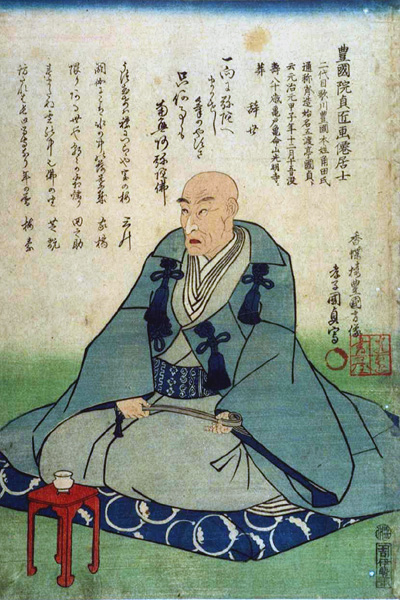
Utagawa Kunisada (also Toyokuni III) was a leading 19th-century Japanese ukiyo-e artist, famed for actor prints, bijin-ga, and prolific output as head of the Utagawa school.
Utagawa Kunisada (Japanese: 歌川 国貞; 1786–12 January 1865), who later used the art-name Toyokuni III, was a central figure in the Edo-period school of ukiyo-e printmaking. He produced thousands of woodblock designs and paintings, becoming one of the most commercially successful and prolific print designers of his era. For notes on Japanese naming conventions see Japanese name order and the practice of art-names at name components.
Image gallery
10 Images


Artistic style and subjects
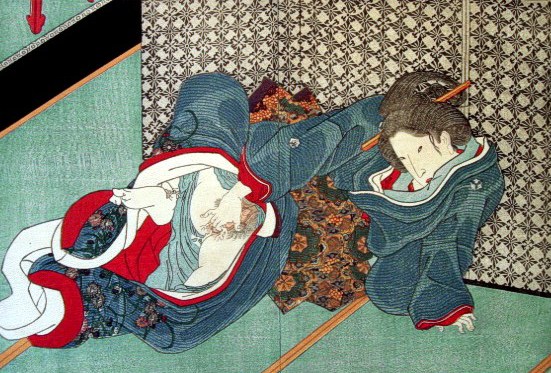
Kunisada worked mainly in the polychrome woodblock medium and is especially associated with ukiyo-e, the popular art of the floating world. His output spans several popular genres: dramatic kabuki actor portraits (yakusha-e), pictures of beautiful women (bijin-ga), scenes from historical or literary subjects, sumo and sporting scenes, and illustrations for books. His compositions are noted for bold outlines, dynamic poses, clear facial characterization, and an eye for fashionable costume and stage effect.
Career and the Utagawa school
Trained in the Utagawa tradition, Kunisada became a leading member and eventually the head of the school, which produced many pupils and workshop designs. The family name Utagawa identifies his school lineage; for a brief note on family-name practice see family name Utagawa. He used several signatures over his career and took the prestigious name Toyokuni to signify succession within the school. His workshop system helped him maintain exceptionally high output and foster a generation of followers.
Major works and format
Rather than single monumental paintings, Kunisada’s work is best understood through numerous series and single-sheet prints issued in editions. Printers produced his designs as nishiki-e (brocade prints) and as book illustrations, making them affordable and widely distributed in urban Edo. Examples of his art appear in public and private collections worldwide, where his actor portraits are frequently cited as representative of mid‑19th century popular taste.
Reception and legacy
During his lifetime Kunisada enjoyed great popularity among contemporary audiences; later art-historical tastes sometimes favored other masters, but modern scholarship has reassessed his technical skill, inventiveness, and social importance. He left a large body of work that documents Edo-period theater, fashion, and popular culture, and his leadership of the Utagawa school influenced successive generations of print designers. For an overview of his life as a Japanese artist see artist profile.
- Primary genres: kabuki actor prints, bijin-ga, historical scenes
- Mediums: woodblock nishiki-e and book illustration
- Role: head of the Utagawa school, teacher to many pupils
Related articles
Author
AlegsaOnline.com Utagawa Kunisada (Toyokuni III): Prolific Ukiyo-e Print Designer (1786–1865) Leandro Alegsa
URL: https://en.alegsaonline.com/art/103712
Sources
- books.google.com : "Kunisada"