
Uranium trioxide (UO3) — properties, production, uses, and hazards
Uranium trioxide (UO3) is a hexavalent oxide of uranium used as an intermediate in the nuclear fuel cycle. This article summarizes its properties, preparation, applications, and safety considerations.
Overview
Uranium trioxide, chemical formula UO3, is one of the principal oxides of uranium and is often encountered under the names uranyl oxide, uranium(VI) oxide, or uranic oxide. It is an oxide of uranium that contains uranium in the +6 oxidation state; in other words the metal component is in a high, hexavalent form often described in discussions of oxidation state. UO3 typically appears as yellow, orange, or brown crystalline solids depending on its form and history of preparation.
Image gallery
10 Images




Structure and characteristics
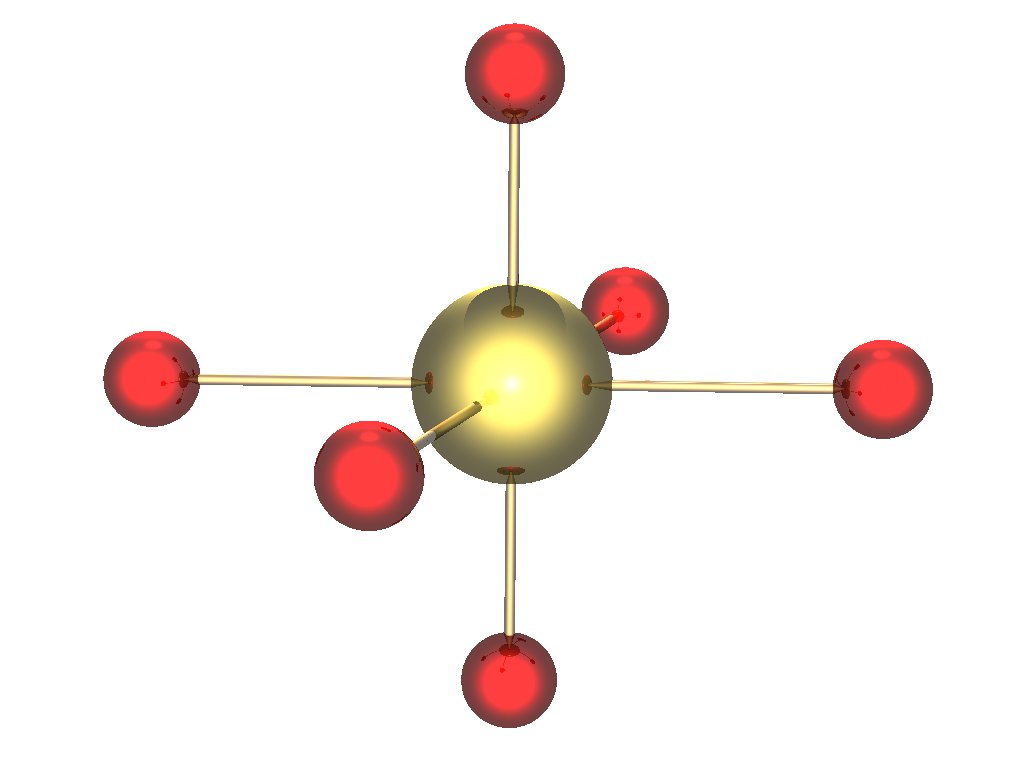
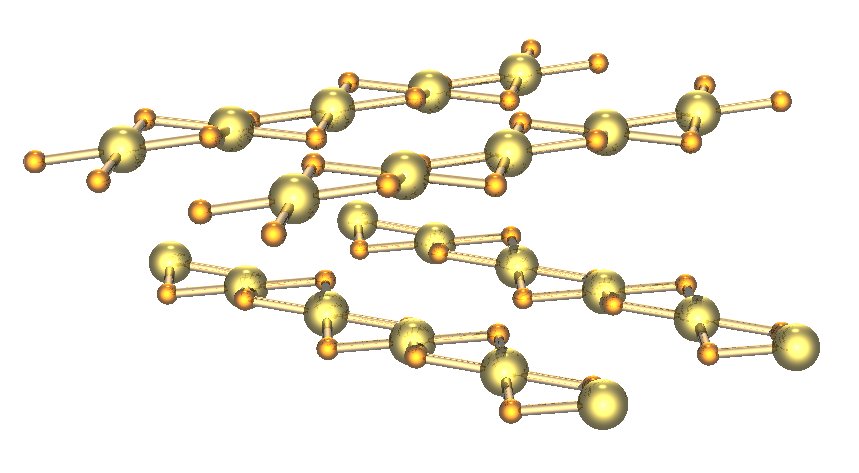
UO3 exhibits polymorphism, meaning it can adopt more than one crystal structure under different conditions (temperature, humidity, and preparation route). Its chemistry is dominated by the uranyl ion motif (UO2)2+, which influences solubility, coordination behavior, and redox reactions. The compound is both chemically toxic and weakly radioactive; its radiological hazard arises from naturally occurring uranium isotopes rather than strong artificial radioactivity.
Production and transformations
Common laboratory and industrial routes to UO3 include thermal decomposition of uranyl salts and oxidative processing of lower uranium oxides. For example, heating uranyl nitrate is a widely described method to obtain UO3, and thermal treatments near a few hundred degrees Celsius convert nitrate precursors into oxide. It is also produced during the oxidation of uranium dioxide (UO2) and during steps in uranium refining and conversion where concentrated solutions are calcined or precipitated.
Uses and role in the nuclear fuel cycle
UO3 serves mainly as an intermediate material rather than a final engineered product. It is used in processing routes that lead to uranium dioxide (UO2) for reactor fuel and to other uranium compounds. Historical uses of uranium oxides more broadly include ceramic and glass coloring, but modern handling focuses on chemical conversion and purification steps in the fuel cycle.
Hazards, handling, and regulation
UO3 is chemically poisonous and poses health risks if inhaled, ingested, or in prolonged skin contact. Because it contains uranium, it is also subject to radiological precautions: inhalation of fine dust is particularly hazardous as particles can lodge in the lungs. Safe handling requires containment, respiratory protection, gloves, and regulatory controls for transport and disposal. See regulatory guidance and material safety data for detailed procedures.
Notable distinctions and references
UO3 should be distinguished from other uranium oxides such as uranium dioxide (UO2, uranium in +4 state) and triuranium octoxide (U3O8, a mixed-valence oxide). Its formation from salts like uranyl nitrate and its conversion to UO2 are key steps in many industrial routes; for example, preparing UO3 by calcining uranyl nitrate is a standard laboratory technique (uranyl nitrate) and additional technical references expand on crystallography and polymorph stability. For broader background on uranium chemistry see general uranium resources and authoritative chemistry texts (uranium).
Related articles
Author
AlegsaOnline.com Uranium trioxide (UO3) — properties, production, uses, and hazards Leandro Alegsa
URL: https://en.alegsaonline.com/art/103537