
Ural River
Major Eurasian river rising in the Ural Mountains and flowing south to the Caspian Sea, often cited as a natural border between Europe and Asia and important for regional ecology and economy.
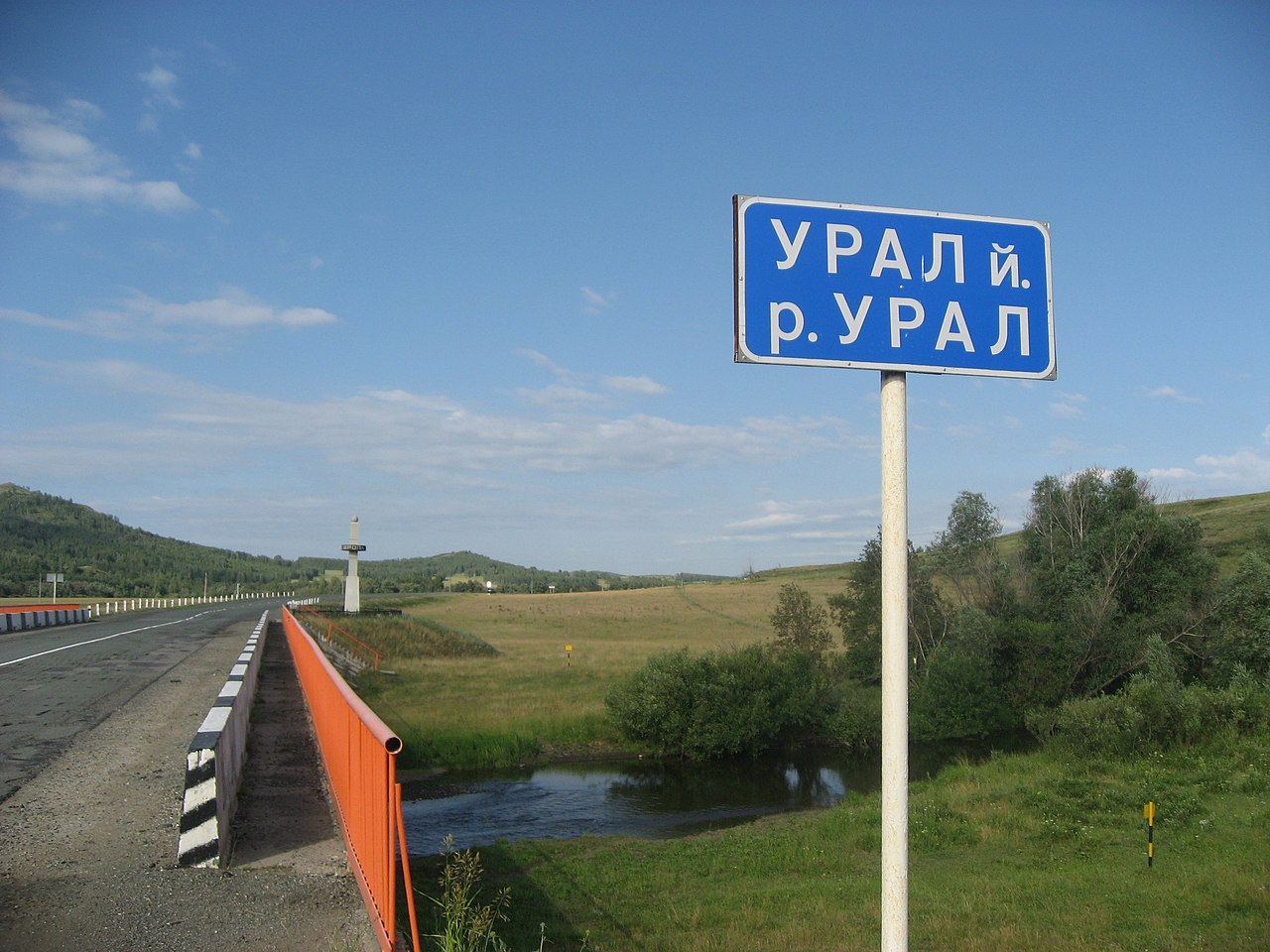
The Ural River is a major waterway in Eurasia that rises in the southern slopes of the Ural Mountains and runs generally southward to the Caspian Sea. Its course crosses parts of Russia and Kazakhstan. The river is commonly cited as a conventional dividing line between Europe and Asia. With a length of about 2,428 km (1,509 miles), it is often counted among the longest rivers of the European continent.
Image gallery
10 Images




Geography and course
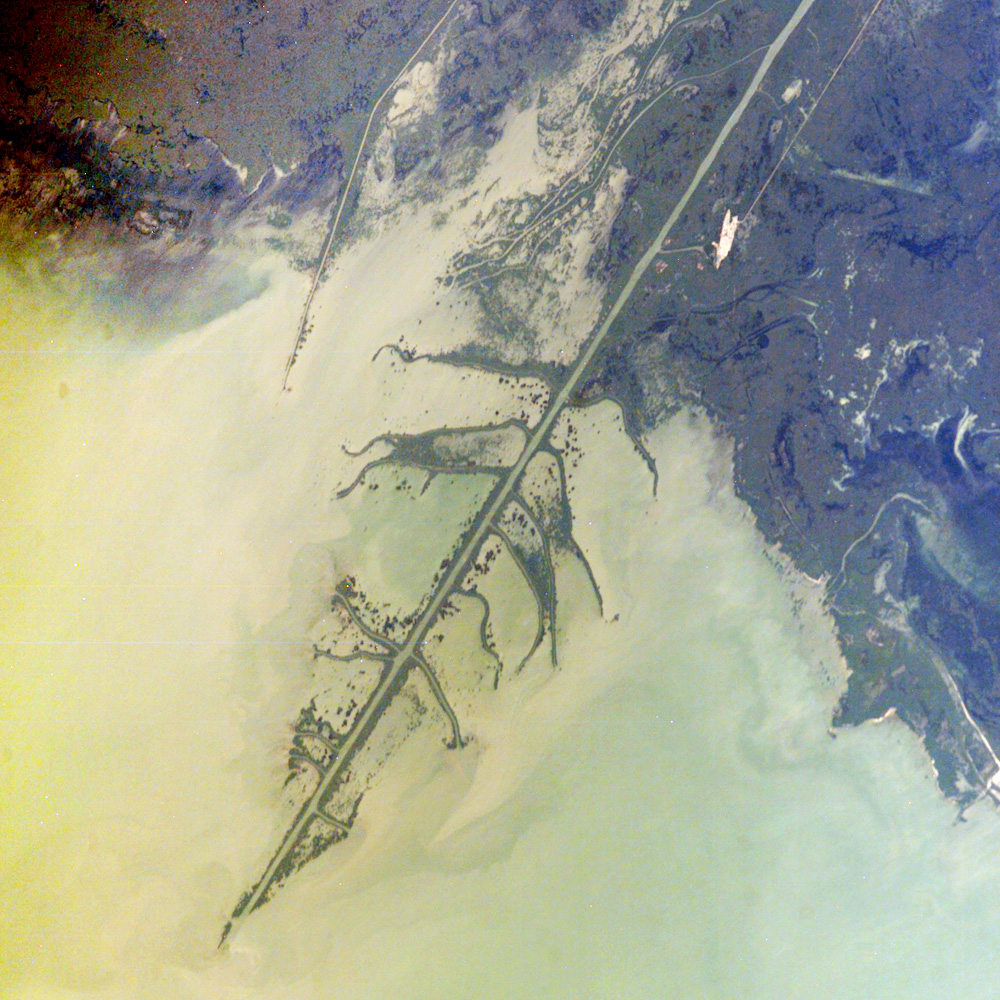
The Ural begins in foothills at the eastern edge of the European plain and descends through steppe landscapes toward the Caspian basin. Along its middle and lower reaches it passes or lies adjacent to several regional cities, including Orsk and Orenburg in Russia and Oral (formerly Uralsk) and Atyrau in Kazakhstan. In its lower course the river fans into floodplains and deltas before reaching the Caspian, a closed inland sea whose level and salinity influence the river's estuary.
Characteristics and tributaries
The river's regime is shaped by continental climate: spring snowmelt produces the highest flows, while late summer lows and winter ice cover reduce discharge. The Ural receives water from a number of tributaries; notable ones include the Sakmara and the Ilek. Some stretches are navigable, especially in the lower reaches, and a series of reservoirs and small dams regulate flow for water supply, irrigation and local industry.
- Length: about 2,428 km (1,509 miles).
- Countries: Russia and Kazakhstan.
- Mouth: Caspian Sea.
- Role: often used as a geographic boundary between Europe and Asia.
History, economy and culture
The Ural basin has been a corridor for trade, settlement and cultural contact for centuries. Riverside towns grew as centers of agriculture, fishing and later industry; the lower basin lies near important oil-producing areas that use the river for transport and water. The Ural has figured in maps and debates about continental boundaries since the 18th and 19th centuries, and its banks host archaeological and ethnic diversity reflecting steppe and forest-steppe zones.
Ecology and contemporary issues
Ecologically the Ural supports freshwater and estuarine habitats, historically including migratory fish such as sturgeon that contributed to the Caspian caviar trade. Like many industrial and agricultural rivers, it faces pressures from pollution, water extraction and habitat change. Conservation and cross-border management between Russia and Kazakhstan address water quality, species protection and sustainable use of the river's resources.
Notable distinctions: the Ural is often listed as the third-longest river in Europe and is one of the major transboundary rivers linking upland and inland-sea environments in Eurasia.
Related articles
Author
AlegsaOnline.com Ural River Leandro Alegsa
URL: https://en.alegsaonline.com/art/103531