
Urban sprawl: causes, characteristics, impacts and responses
Urban sprawl describes low-density, often unplanned outward growth of cities into previously rural areas, its causes, environmental and social impacts, historical context, and policy approaches to manage it.
Overview
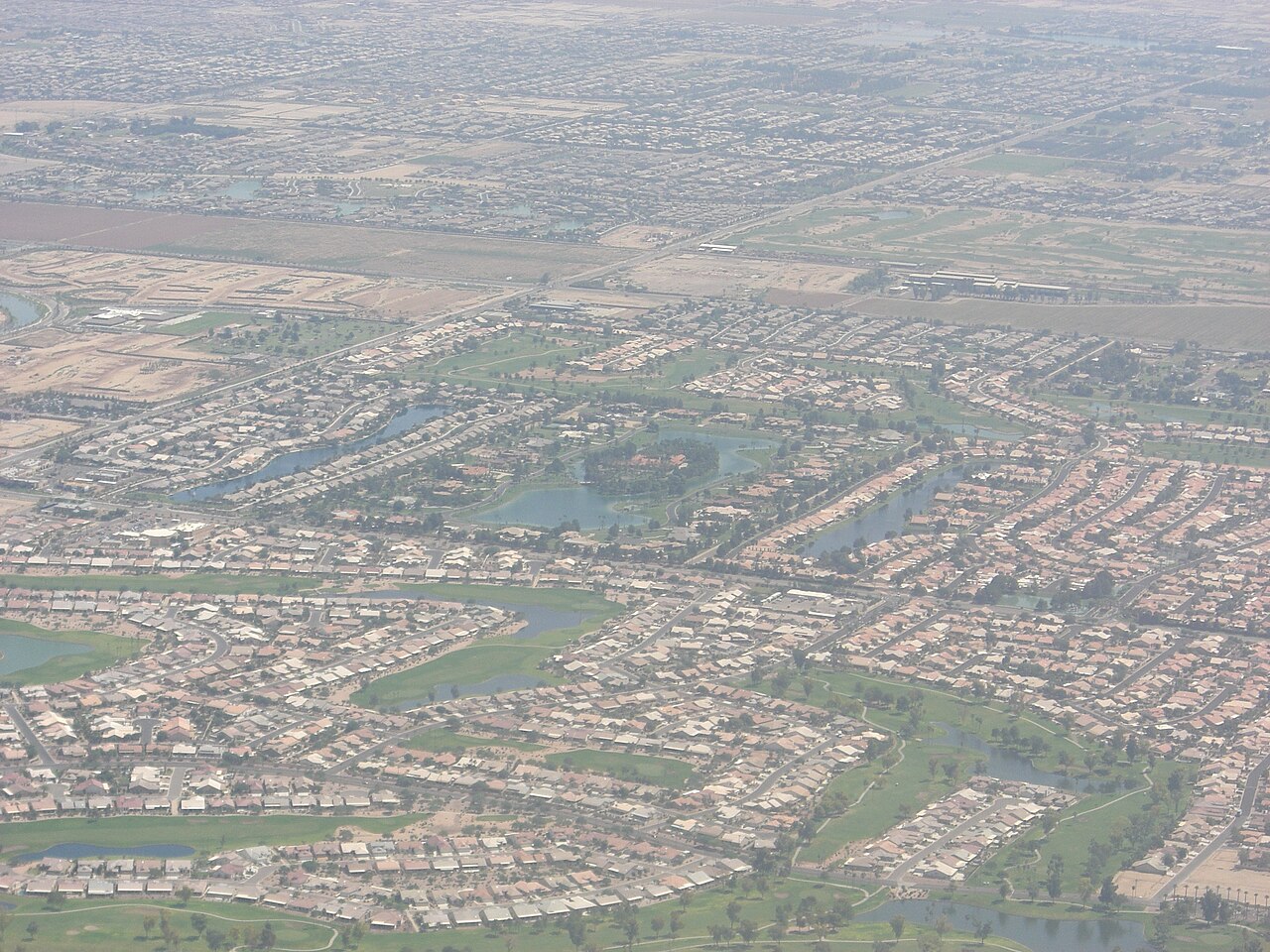
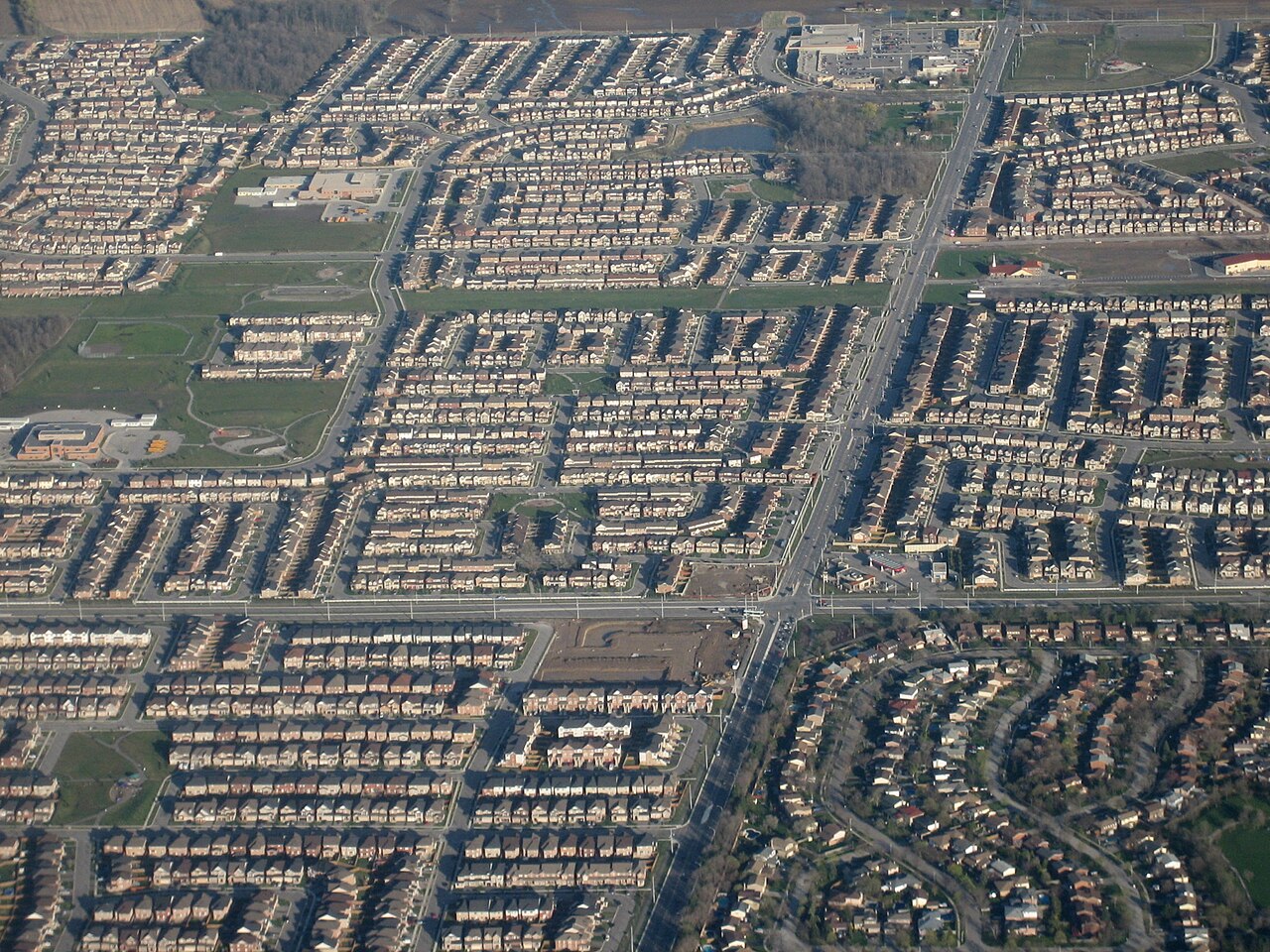
Urban sprawl refers to the outward expansion of built-up areas into formerly rural or undeveloped land. It commonly involves low-density housing, segregated land uses, and a reliance on private automobiles for daily travel. The phrase is widely used in planning, environmental, and political discussions, and often carries a negative connotation when growth is seen as unmanaged or inefficient. For discussions of municipal growth and governance, see city expansion.
Image gallery
10 Images





Characteristics and common patterns
Sprawl is usually identified by several recurring features rather than a single measurement. These include:
- Low housing density, with single-family homes occupying large lots.
- Separation of uses: residential areas distant from workplaces, shops, and services.
- Street networks that favor cars over walking, cycling, or transit.
- Leapfrog development that fills in patches of open land between built areas.
These patterns influence travel behavior, land consumption, and the cost of extending services such as water, sewage, and public transit.
Historical context
Urban growth has always responded to economic, technological, and social change. In earlier eras, such as the Middle Ages, living inside city walls had defensive advantages and concentrated populations. With industrialization, transportation innovations and market changes enabled greater spatial separation of activities. After the rise of the automobile in the twentieth century, many metropolitan areas saw rapid suburbanization and dispersed development. Modern planning traditions developed to manage this growth; see discussion of urban planning approaches for managing expansion.
Causes and drivers
Multiple factors contribute to sprawl: consumer preferences for larger lots and single-family homes, lower land prices at the urban fringe, transportation policies that prioritize roads, zoning rules that separate uses, and fiscal incentives that favor development on undeveloped land. Economic growth and population increases can also drive spatial expansion when housing demand outpaces supply in central areas.
Impacts and debates
Critics of sprawl point to environmental effects such as habitat loss, increased greenhouse gas emissions from car-dependent travel, and higher per-capita infrastructure costs. There are social concerns too: reduced accessibility for people without cars, longer commute times, and the decline of compact, walkable neighborhoods. Proponents or defenders sometimes emphasize benefits like perceived privacy, homeownership opportunities, and lower housing prices per unit of floor area. Because the term is often used politically, interpretations may reflect value judgments; see commentary on the term’s political usage at political framing.
Measurement and policy responses
Measuring sprawl combines indicators such as density, land-use mix, connectivity, and the rate of peripheral growth. Planners and policymakers use several strategies to manage or counteract undesirable effects, including:
- Promoting infill development and higher densities near transit corridors.
- Reforming zoning to allow mixed uses and smaller lots.
- Investing in public transit, walking, and cycling infrastructure.
- Using growth boundaries, urban service limits, or conservation easements to protect open land.
Successful responses typically combine regulatory changes, public investment, and community engagement to balance housing needs, environmental protection, and economic development goals.
Related articles
Author
AlegsaOnline.com Urban sprawl: causes, characteristics, impacts and responses Leandro Alegsa
URL: https://en.alegsaonline.com/art/103563