
Auguste Comte: Founder of Sociology and Architect of Positivism
French philosopher Auguste Comte (1798–1857) coined 'sociology' and developed positivism, advocating scientific study of society, a hierarchy of sciences, and practical social reform.
Overview
Isidore Marie Auguste François Xavier Comte (1798–1857), commonly known as Auguste Comte, was a French philosopher whose work laid foundations for the modern social sciences. He is credited with coining the term sociology in the early 19th century and with formulating a systematic approach to knowledge that later became known as positivism. Comte sought to apply empirical and scientific methods to the study of social life, arguing that social phenomena could be observed, classified, and used to improve society.
Image gallery
5 Images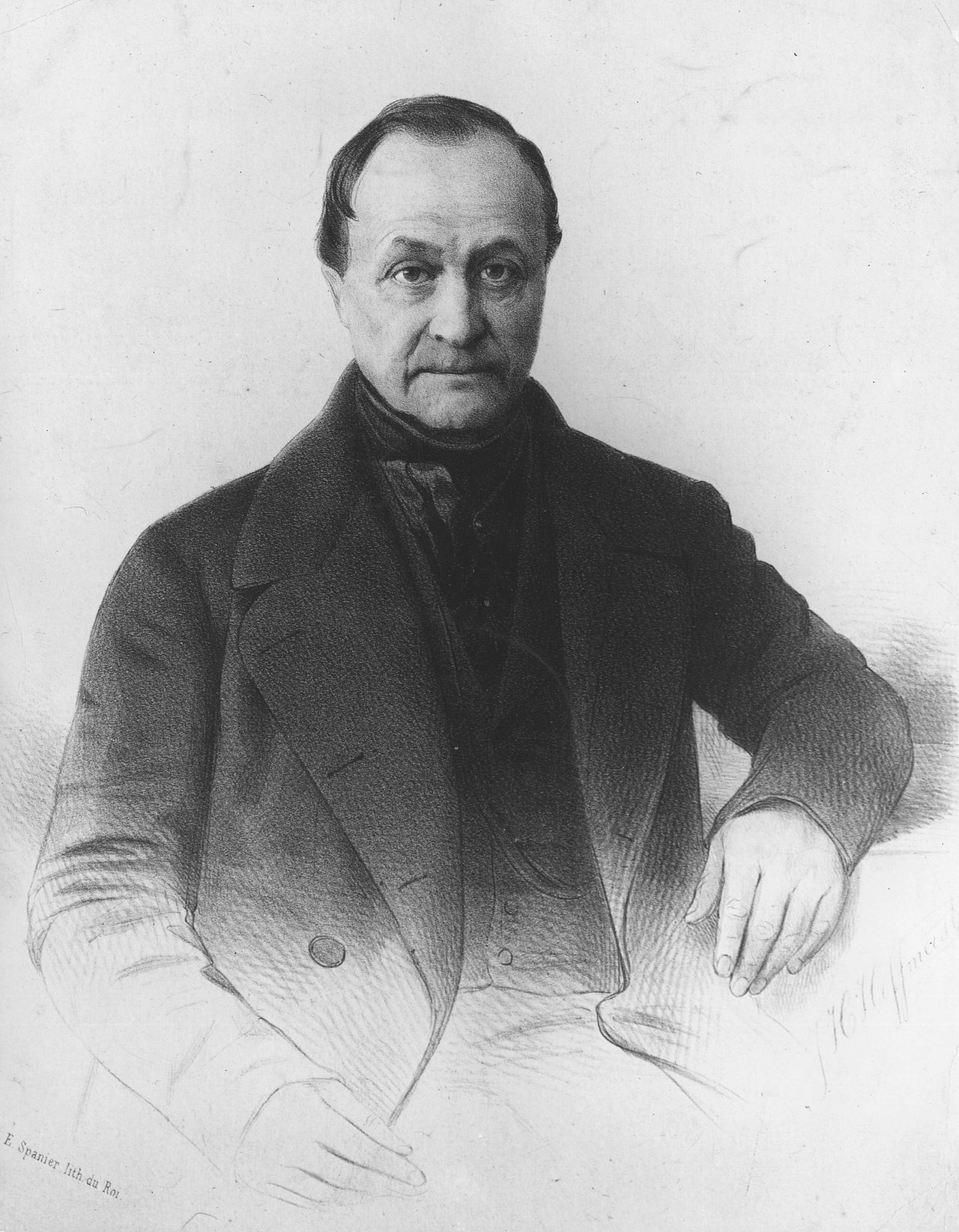


Key ideas and characteristics
- Law of Three Stages: Comte described intellectual development in three successive stages — the theological, the metaphysical, and the positive — explaining how human thought moves from myth and authority toward empirical explanation.
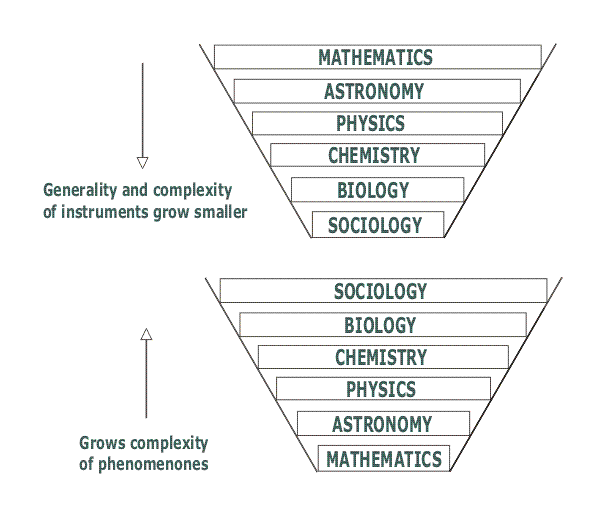
- Hierarchy of the sciences: He proposed an ordered sequence of disciplines (from mathematics through astronomy, physics, chemistry, biology, to sociology) in which each level depends on the methods and findings of earlier ones.
- Scientific study of society: Comte argued that social order and progress could be achieved by treating society as an object of systematic, observational inquiry.
Works and development
Comte presented his ideas in multi-volume works that combined theory with programmatic prescriptions. His early and most influential writings — such as the series commonly known in English as Course in Positive Philosophy — set out the intellectual framework of positivism and the project of founding a science of society. In later writings he extended his program into practical and moral proposals, advocating a form of social organization that emphasized social cohesion, education, and public morality.
Uses, influence, and examples
Comte's ideas helped institutionalize the study of society and influenced subsequent thinkers and scholars who professionalized sociology and developed empirical methods. His emphasis on observation and classification encouraged later researchers to collect social data and to seek general laws of social dynamics. Portions of his thought also informed debates about secularism, education reform, and the role of expertise in public life.
Notable distinctions and later reception
- Unlike some contemporaries, Comte moved from a descriptive philosophy to prescriptive programs, including proposals for civic rituals and a "Religion of Humanity" as a secular civic faith.
- His positivist insistence on empirical verification contrasted sharply with metaphysical and theological approaches, but critics have pointed to the rigid and sometimes authoritarian implications of his prescriptions.
- Despite controversies, Comte's legacy endures in the name and methods of sociology and in ongoing discussions about the limits and possibilities of applying scientific methods to social questions.
For summaries of his life and work, see introductions to the history of sociology and to philosophical discussions of scientific method, which place Comte among the key figures who shaped 19th-century thought about society and knowledge.
Questions and answers
Q: Who was Auguste Comte?
A: Auguste Comte was a French thinker and one of the founders of sociology.
Q: What did he create?
A: He created the word "sociology" from Latin and Greek roots, and also started a way of thinking about human knowledge called positivism.
Q: When was he born?
A: Auguste Comte was born on January 17, 1798.
Q: Where did his ideas originate from?
A: His ideas originated from Latin and Greek roots.
Q: What is positivism?
A: Positivism is a way of thinking about and understanding human knowledge that was started by Auguste Comte.
Q: When did he die?
A: Auguste Comte died on September 5, 1857.
Q: What does socius mean in Latin?
A: In Latin, socius means "companion".
Related articles
Author
AlegsaOnline.com Auguste Comte: Founder of Sociology and Architect of Positivism Leandro Alegsa
URL: https://en.alegsaonline.com/art/114708