
Yonsei (fourth-generation Japanese diaspora)
Yonsei denotes fourth-generation descendants of Japanese emigrants, mainly in the Americas. The term describes a generation's identity, language use, cultural ties and academic study across varied national contexts.
Overview
Yonsei (四世, literally "fourth generation") is a Japanese-derived term used in communities outside Japan to identify people who are the great-grandchildren of Japanese immigrants. The word is most commonly applied in countries of North America and South America where substantial Japanese emigrant communities developed. The generational sequence begins with Issei (first generation), followed by Nisei (second generation), Sansei (third generation) and Yonsei (fourth generation). The term functions as both a demographic label and a shorthand for complex questions of language, identity and cultural continuity. Yonsei are often the focus of studies that examine how immigrant heritage evolves over multiple generations.
Image gallery
1 Image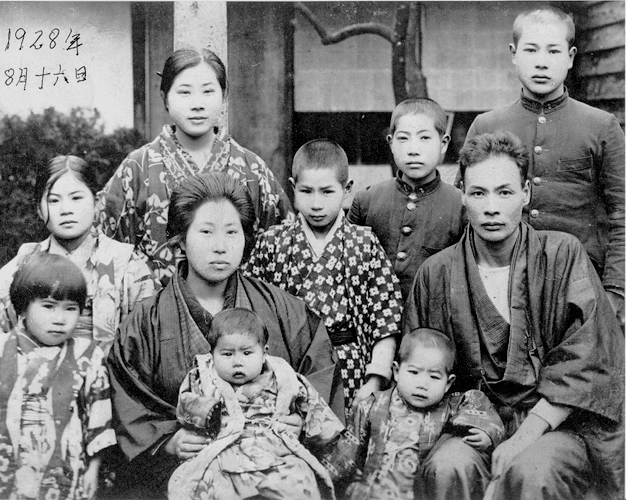
Historical background
Japanese migration to the Americas took place in distinct waves from the late 19th century onward. Early emigrants, known as Issei, settled in agricultural, fishing and urban communities in places such as the United States, Canada, Brazil and Peru. Their children, the Nisei, and grandchildren, the Sansei, navigated language shift, educational systems and, in some countries, legal and wartime pressures that shaped community development. By the time families reach the Yonsei generation, the original immigrant language and customs are often mediated by the host country’s mainstream culture. Geographic labels such as North America and South America reflect different national histories that affect how Yonsei identify and organize.
Characteristics and identity
Yonsei tend to display a mix of continuity and change. Many are several generations removed from direct ties to Japan, and their primary language is usually that of their birth country. Cultural practices vary widely: some Yonsei remain actively involved with ethnic institutions, language classes and festivals, while others identify primarily with the national majority culture. Patterns of intermarriage, urbanization and social mobility all contribute to diverse Yonsei experiences. The label may encompass both those who self-identify as part of the Japanese diaspora and those for whom ancestry is a more private family matter.
Significance and examples
Yonsei communities contribute to arts, business, politics and multicultural life in their countries. They often serve as bridges in transnational networks linking descendants with contemporary Japan, whether through exchange programs, heritage tourism or family visits. Scholars, community organizations and cultural institutions document these links and the transformations that occur over four generations. Discussions of immigration and emigrants sometimes use generational labels to explain demographic change and policy impacts on later generations.
Common themes and research directions
- Language retention and shift: how and when Japanese language use declines or is revived.
- Identity formation: the balance between ethnic heritage and national belonging.
- Intergenerational transmission: family traditions, religious practices and community ties.
- Comparative experiences across regions: differences between Yonsei in Canada, the United States, Brazil, Peru and elsewhere.
For more information about generational terms and community histories see resources on ethnic studies and diaspora archives. Japanese heritage organizations, academic centers and oral-history projects provide primary materials about Yonsei life and change. Further reading and institutional links are available through cultural centers and research projects that specialize in Nikkei studies. South American case studies and North American research often complement one another, offering comparative perspectives. Nisei, Issei and Sansei histories remain central to understanding the Yonsei experience. Yonsei studies continue to evolve as scholars and communities document how four generations shape cultural memory and belonging. Emigrants and their descendants frequently engage with these conversations to preserve and reinterpret family narratives. Immigration policy and social change also influence how subsequent generations imagine their identity.
Questions and answers
Q: What does the term “Yonsei” mean?
A: The term “Yonsei” means “fourth generation” in Japanese language.
Q: Who are called Issei?
A: The immigrants or emigrants who were born in Japan are called Issei.
Q: What are the children of Issei called?
A: The children of Issei are called Nisei, which means “second generation” in Japanese language.
Q: Who are Sansei?
A: Sansei are the grandchildren of Issei, which means “third generation” in Japanese language.
Q: What are the great-grandchildren of Issei called?
A: The great-grandchildren of Issei are called Yonsei, which means “fourth generation” in Japanese language.
Q: How is the Yonsei recognized in its social history?
A: The character and uniqueness of the Yonsei is recognized in its social history.
Q: What is the subject of on-going academic research in the United States and Japan?
A: The Yonsei are the subject of on-going academic research in the United States and Japan.
Related articles
Author
AlegsaOnline.com Yonsei (fourth-generation Japanese diaspora) Leandro Alegsa
URL: https://en.alegsaonline.com/art/109934
Sources
- books.google.com : American Buddhists in Social Context, p. 110
- u-gakugei.ac.jp : "Socioeconomic Status, Acculturation, Discrimination, and Health of Japanese Americans: Generational Differences"
- mofa.go.jp : Japan-Mexico Foreign Relations
- mofa.go.jp : "Japan-Brazil Relations"
- books.google.com : Many Petals of the Lotus: Five Asian Buddhist Communities in Toronto, p. 36.
- news.bbc.co.uk : "Fujimori Secures Japanese Haven,"
- discovernikkei.org : "What is Nikkei?"
- americanart.si.edu : "The Art of Gaman: Arts and Crafts from the Japanese American Internment Camps, 1942 - 1946", Yoshitsuchi Ikemoto
- books.google.com : Rising Sons: The Japanese American GIs Who Fought for the United States in World War II, p. xv.
- encyclopedia.densho.org : "Issei"
- discovernikkei.org : "Voices of Chicago: Day of Remembrance 2006,"
- books.google.com : p. 59
- discovernikkei.org : Furutani bio
- honoluluweekly.com : "Queen of the Senate: Colleen Hanabusa of Wai‘anae has what most Hawai‘i politicians don't: character."
- j-popworld.com : "Gina Hiraizumi Interview,"