
Unstrut-Hainich — district in northern Thuringia, Germany
Unstrut-Hainich is a rural district in northern Thuringia, Germany, named for the Unstrut river and the Hainich forest. It contains historic towns, extensive beech woods and protected areas popular for hiking and nature tourism.
Unstrut-Hainich is a Landkreis (rural district) in the northern part of the federal state of Thuringia and lies within central Germany. The district’s name combines the Unstrut river valley and the Hainich, a largely forested hill range. Its administrative centre is the town of Mühlhausen; other notable towns include Bad Langensalza and smaller market towns and villages that form a largely rural region.
Image gallery
2 Images
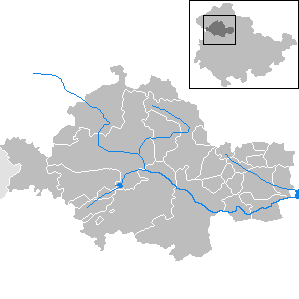
Geography and nature
The landscape of Unstrut-Hainich mixes fertile river plains, rolling hills and extensive deciduous woodland. The Hainich is one of the largest contiguous stretches of broadleaf forest in Germany and the district contains protected areas and nature reserves that conserve native beech woodland, diverse flora and fauna. The Unstrut river and smaller streams shape the agricultural valleys and provide corridors for wildlife.
History and administration
The district as an administrative unit dates from the territorial reorganisations of the post-reunification era and reflects older historical regions and market towns. Many towns in the district retain medieval street plans, churches and civic architecture, giving the area a strong sense of local heritage that complements its rural character. Local government is responsible for schools, roads, planning and social services across the municipalities it contains.
Economy, culture and tourism
Economic activity in Unstrut-Hainich is mixed: agriculture and horticulture are important in the valleys, while small and medium-sized enterprises provide manufacturing and services. Tourism focuses on outdoor recreation, guided forest walks, cycling routes and visits to historic town centres. The Hainich forest, in particular, attracts nature enthusiasts and contributes to environmental education and sustainable tourism initiatives.
Key towns and attractions
- Mühlhausen — administrative centre with a preserved old town.
- Bad Langensalza — known for gardens and spa history.
- Hainich forest and associated nature reserves — hiking, canopy walks and biodiversity.
Unstrut-Hainich exemplifies parts of central Germany where cultural history and significant natural landscapes coexist. It is often visited for its combination of quiet rural life, protected forests and accessible historic towns, and serves as a regional hub for conservation and low-impact tourism.
Related articles
Author
AlegsaOnline.com Unstrut-Hainich — district in northern Thuringia, Germany Leandro Alegsa
URL: https://en.alegsaonline.com/art/103421