
Uber — Overview of the Ride‑Hailing Company and Its Services
Comprehensive overview of Uber: app-based ride-hailing, how it works for riders and drivers, services, technology, business model, history, regulation and safety considerations.
Overview
Uber Technologies, Inc. is an American mobility and delivery platform best known for pioneering smartphone-enabled ride‑hailing. Traded on the New York Stock Exchange under the ticker UBER, the firm operates an app-based marketplace that connects passengers and shippers with independent drivers and couriers. While ride-hailing remains the flagship service, the company's platform has broadened to include meal delivery, freight logistics and other transportation-related offerings.
Image gallery
5 Images



How the service works
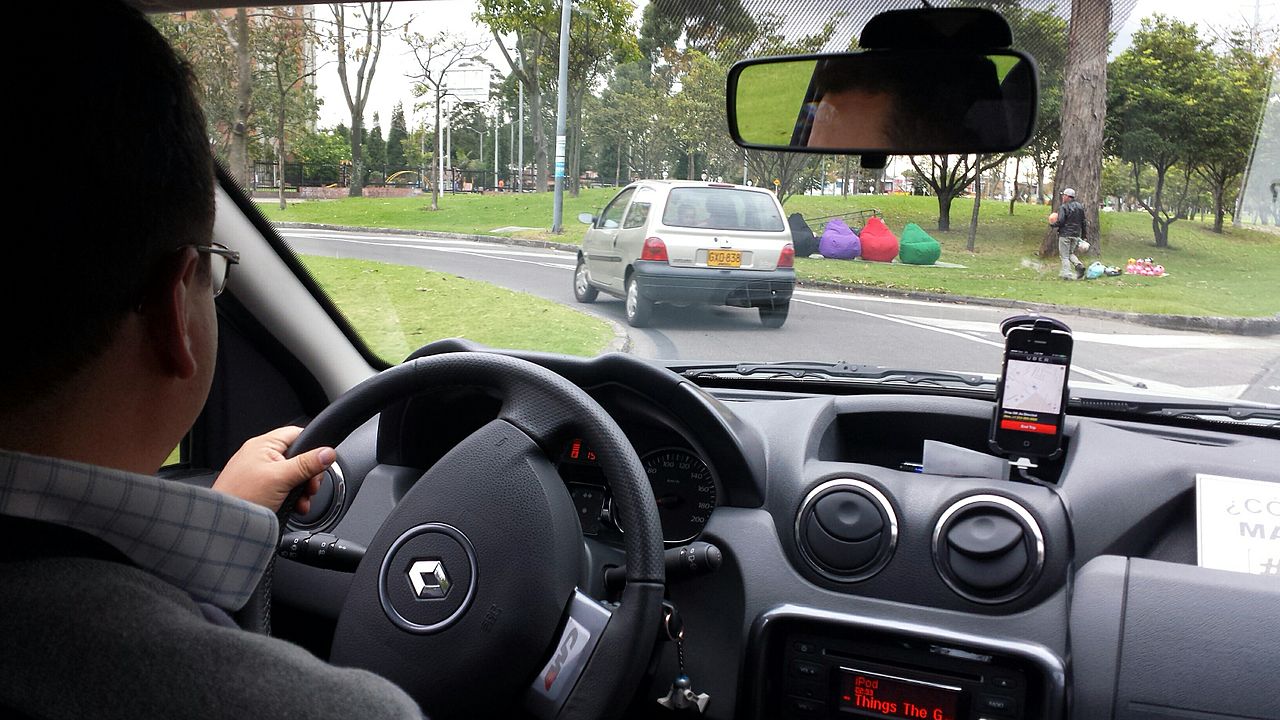
The platform connects two main user groups through separate mobile applications and accounts: riders (passengers) and drivers (or couriers). Customers register in the passenger app by providing basic personal details and a payment method; they then request trips by entering a pickup and destination. The platform estimates an arrival time and fare, matches the rider with a nearby driver, and provides a real-time map to track the vehicle.
- Passenger flow: Request and confirm a trip in the app, watch the driver approach on a map, complete the journey, and pay electronically when the trip ends. Riders commonly have options to share trip details with others and to view receipts and trip history in the app.
- Driver flow: Drivers sign up through a separate onboarding process that typically requires identity verification, vehicle documents and any local licensing; once approved they log into the driver app to receive trip requests, follow navigation guidance and receive payouts.
Services and product variants
Uber offers multiple service tiers to meet different needs, from lower-cost private rides to premium vehicles and accessibility options for passengers with mobility needs. Historically, the company has also offered carpooling or shared-ride services that match multiple passengers with similar routes. Beyond passenger transport, the business includes on-demand food delivery, freight matching, and specialized logistics services. The availability of particular services and payment options varies by city and country.
Technology and operations
Uber's apps rely on smartphone GPS, mobile data connections and integrated mapping to identify pickup locations and to navigate drivers. The platform commonly integrates third-party mapping and routing services to provide directions and estimate arrival times. The company also develops internal systems for dispatching, fare calculation, dynamic pricing and fraud detection.
Business model
Uber acts as a digital intermediary: it takes a portion of each fare or delivery fee while drivers and couriers receive the remainder. The platform uses demand-based pricing (often called surge pricing) to balance supply and demand during busy periods. In addition to trip fares, revenue streams include delivery fees, subscription services in some markets, partnerships, and freight brokerage services.
Safety, ratings and platform policies
Safety features typically include in-app trip sharing, two-way ratings between drivers and riders, and tools to report incidents. Many versions of the app provide emergency assistance options and allow drivers and riders to view each other's rating and ride history. Local safety standards and background check requirements differ by jurisdiction, and the company states that it continually updates policies and features in response to user feedback and regulatory requirements.
Regulation and controversies
As a large platform operating in many cities, Uber has been at the center of debates over licensing, vehicle-for-hire rules, and the employment classification of drivers. Different jurisdictions have taken varied approaches to regulation, with some requiring operator licenses, insurance adjustments, or different labour protections. The company has also faced scrutiny over data privacy, competitive practices and local compliance during rapid expansion.
History and corporate changes
Uber was founded as "UberCab" in San Francisco in 2009 by entrepreneurs including Travis Kalanick and Garrett Camp. The service expanded to additional cities and, within a few years, opened offices internationally. The company rebranded to Uber and continued to diversify its offerings. It became a public company in 2019, and leadership and governance evolved as the business matured and adapted to regulatory and market pressures.
Driver and rider considerations
Requirements for drivers vary by market but commonly include identity verification, vehicle inspection and local licensing where required. Payment methods for riders depend on regional arrangements and may include credit or debit cards, digital wallets and, in some areas, cash. Performance metrics and ratings influence driver access to trips and rider experience; both parties can be temporarily or permanently restricted for violations of platform rules.
Research, innovation and future directions
Beyond operating its core marketplace, the company has invested in new mobility concepts and in technology research, including work related to mapping, routing, and experimenting with driverless vehicle technology. The platform model has influenced many other on-demand services and continues to evolve with urban mobility trends, regulatory changes and emerging partnerships.
Further reading and official resources
For corporate information and filings, see the company pages. For background on the ride‑sharing model, consult materials describing the ride‑sharing economy. Information about the mobile experience is available through the original mobile app documentation, while device and connectivity requirements are discussed in resources about the smartphone and payment options supported by the platform. Technical explanations of routing and mapping integrations can be found in third‑party mapping references and services, including general information about third‑party mapping and widely used platforms such as Google Maps. The company was founded in San Francisco and established international operations as it expanded abroad. These resources provide additional context on operations, regulation and regional availability.
Related articles
Author
AlegsaOnline.com Uber — Overview of the Ride‑Hailing Company and Its Services Leandro Alegsa
URL: https://en.alegsaonline.com/art/102480