
Unicorn: legendary one‑horned creature, history, symbolism and modern meanings
A compact encyclopedia entry on the unicorn: appearance, etymology, cultural history, medieval beliefs, heraldry, naturalist connections and modern uses including the business term.
The unicorn is a widely known legendary creature, typically depicted as a horse- or pony-like animal bearing a single, spiraled horn on its forehead. As a mythic being it appears across many cultures and eras, from ancient sources to modern popular culture, and is discussed in both folklore and natural history accounts see source. The name itself is rooted in classical languages: the English word comes through Latin from ūnus (“one”) and cornu (“horn”), a lineage reflected in related Greek forms etymology.
Image gallery
10 Images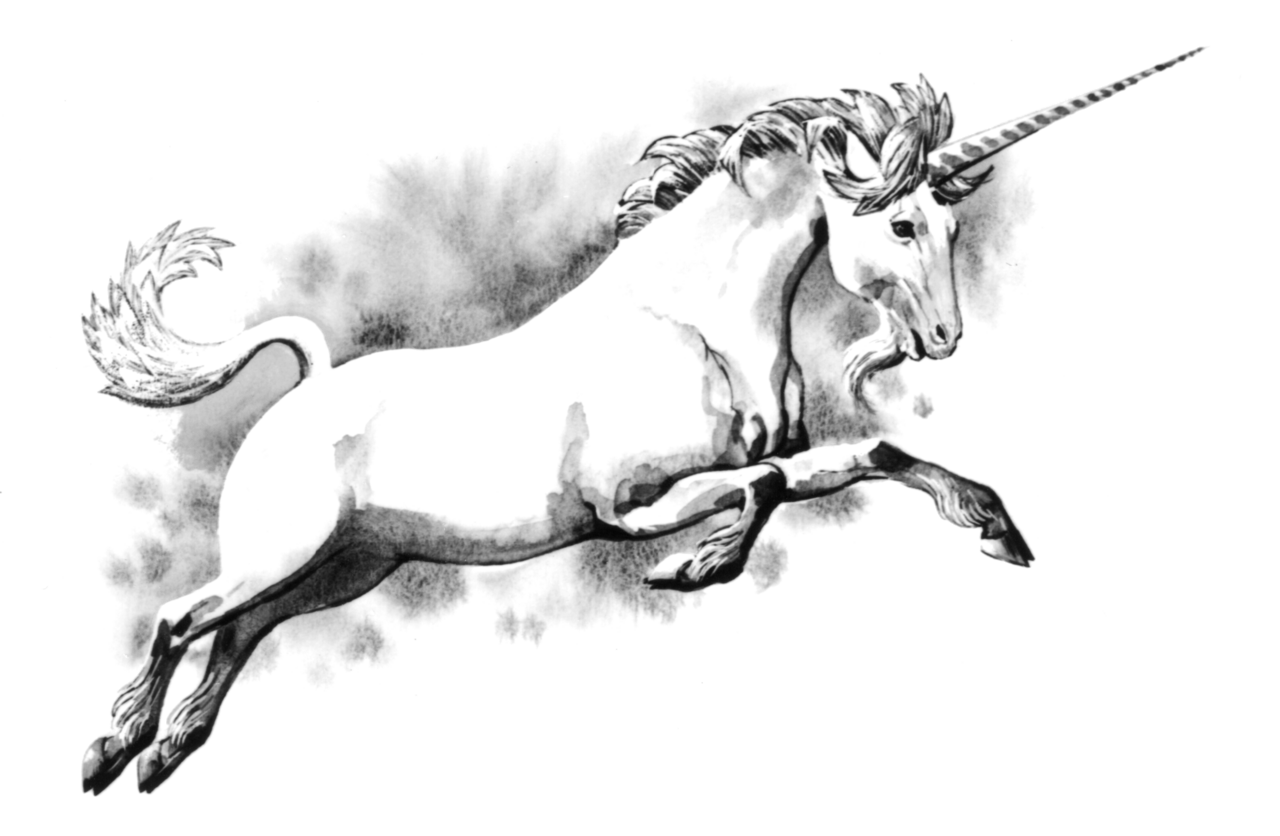


Appearance and attributes
Descriptions vary, but common features attributed to the unicorn include a single central horn, a generally equine body, and often a white or pale coat. Medieval and Renaissance illustrations sometimes combine traits from several animals: hooves like a horse, a tail resembling a lion’s, or other composite details tail variations. The horn is frequently shown as long, straight or gently spiraled, and is the focus of many legends about the creature’s powers horn description and the location of that horn on the head placement.
Origins and cross-cultural parallels
Stories of single-horned animals exist in a wide geographic range. Classical authors reported unicorn-like beasts from India and Africa, while East Asian traditions have analogous composite creatures with distinct symbolism. These parallels suggest independent development of a one-horn motif rather than a single origin. Natural specimens such as the narwhal tusk and walrus teeth were sometimes traded as alleged unicorn horns, helping to sustain European beliefs in the creature’s material presence narwhal connection.
Medieval beliefs, medicine and the alicorn
In medieval Europe the unicorn’s horn—often called an alicorn in period writings—was credited with marvels such as purifying water, neutralizing poisons, and healing sicknesses alicorn lore antidote claims. This reputation made purported horns highly valuable trade items. Naturalists and collectors debated these claims; some merchants knowingly sold narwhal or walrus parts as exotic curiosities passed off as unicorn horn. In art and bestiaries, the unicorn is sometimes described as shy and untamable, with stories that only a pure maiden could capture it by coaxing it to lay its head in her lap.
Symbolism, heraldry and notable associations
Across time the unicorn has carried meanings such as purity, innocence, and otherworldly grace, often associated with feminine virtues innocence and purity. In Western heraldry it became a frequent emblem and was paired with the lion to represent contrasting qualities—gentleness and strength, or spiritual and temporal authority lion counterpart. A modern example of its heraldic use is the unicorn’s place as a national animal in Scotland, where it appears in royal symbols Scotland.
Modern meanings and cultural presence
Today the unicorn endures as a popular figure in literature, fantasy, and commercial imagery. Beyond myth and art, the word has been adopted in business language: a "unicorn" describes a privately held startup company valued at one billion U.S. dollars or more, a figurative extension of rarity and desirability. The unicorn continues to function as a flexible symbol—at once mythical animal, medieval cure, heraldic charge, and contemporary icon—inviting both fanciful and scholarly attention further reading.
- Characteristics: single horn, equine body, associations with whiteness and purity horn.
- Historic uses: alleged medicinal horn (alicorn) and high-value trade goods medieval texts antidote lore.
- Natural ties: narwhal and walrus parts often presented as unicorn horn in early modern markets narwhal tusk.
For concise discussions and visual examples, consult illustrated bestiaries and reliable overviews of folklore and heraldry, which document both the mythical features and the changing cultural roles of the unicorn across centuries illustrations symbolism iconography moral themes comparative emblems language history national use.
Questions and answers
Q: What does the word "unicorn" mean?
A: The word unicorn means literally "one-horn", coming from the Latin words ūnus, which means one, and cornu which means horn.
Q: Where is the unicorn found in stories and myths?
A: Unicorns are found in many stories and myths from different parts of the world, especially China and India.
Q: What powers are associated with a unicorn's horn?
A: In Western culture, its horn is said to have power (often called alicorn in medieval literature) to heal wounds and sickness, and to neutralize poison.
Q: How does the unicorn symbolize innocence, purity and feminine power?
A: In mythology and heraldry unicorn symbolizes innocence, purity and feminine power. It is often seen as the counterpart of lion, which symbolizes the masculine virtues.
Q: What animal was sometimes mistaken for a unicorn?
A: Narwhal’s horns were said to be the horns of unicorns by some people who would sell them as such at high prices. They were mostly a tusk of a walrus or a horn from a narwhal.
Q: How can someone catch a Unicorn according to Christian legends?
A: According to Christian legends only a maiden that goes into the forest alone can catch a Unicorn. The Unicorn will come and fall asleep in her lap.
Q: How is "unicorn" used in business terms?
A: In business terms "unicorn" refers to a business startup valued at one billion dollars or more.
Related articles
Author
AlegsaOnline.com Unicorn: legendary one‑horned creature, history, symbolism and modern meanings Leandro Alegsa
URL: https://en.alegsaonline.com/art/102855
Sources
- scholastic.com : scholastic.com/browse/article.jsp?id=11851
- commons.wikimedia.org : Unicorns