
Týr: Norse god of law, single combat, and the lost hand
Týr is a Norse god associated with single combat, law, and oaths. Known for sacrificing a hand to bind the wolf Fenrir, he appears in Eddic sources and survives in names and runes across Germanic traditions.
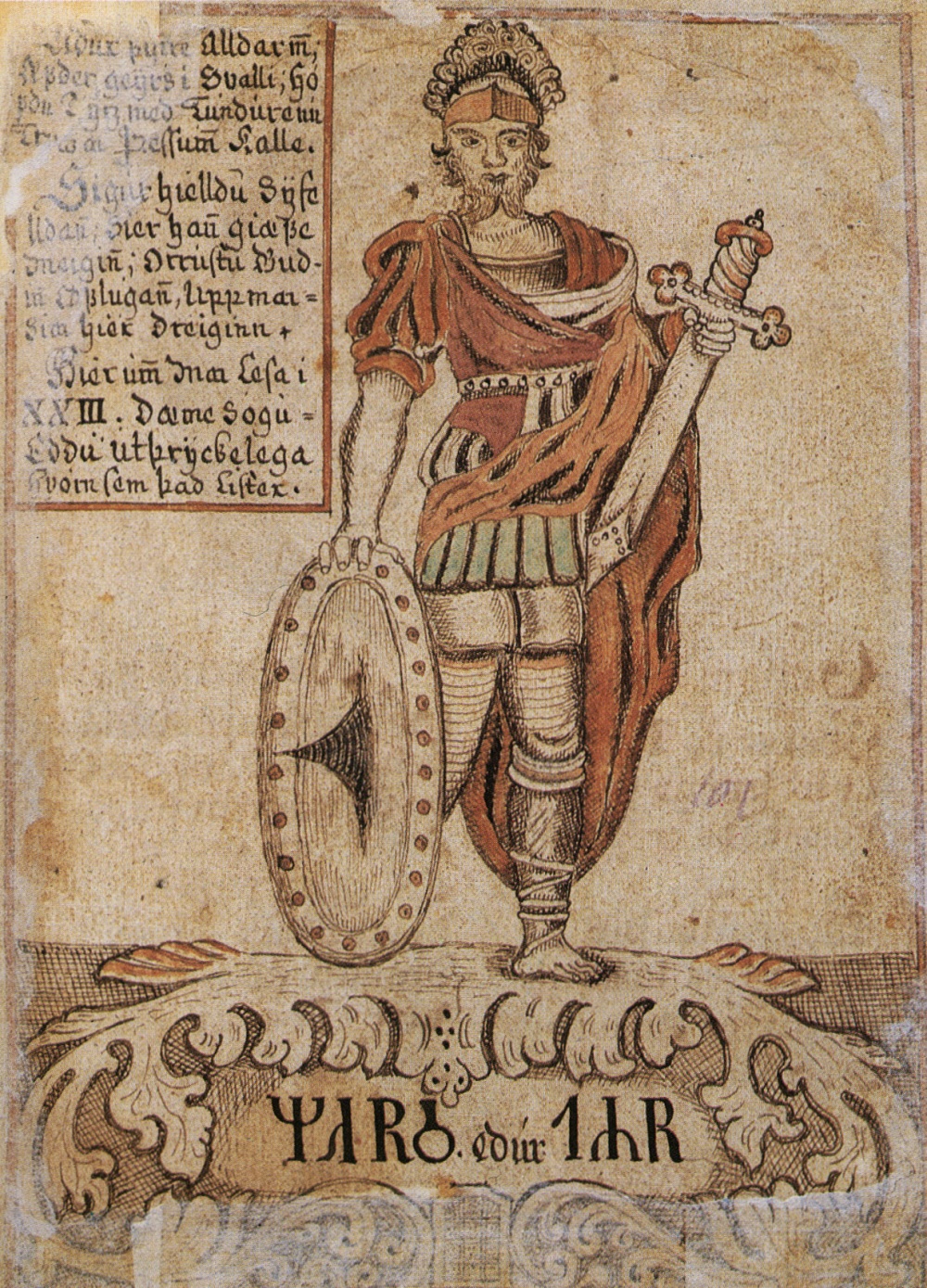
Týr is a deity of the Germanic and Norse tradition, remembered for courage, legal order, and a famous personal sacrifice. He is one of the gods attested in medieval Icelandic texts and earlier Germanic lore. Different sources present variant family connections: some identify him as a son or kinsman of the chief god, while others link him to a different figure. Modern scholars reconstruct his older Proto-Germanic name as Tiwaz, cognate with several continental Germanic forms.
Image gallery
7 Images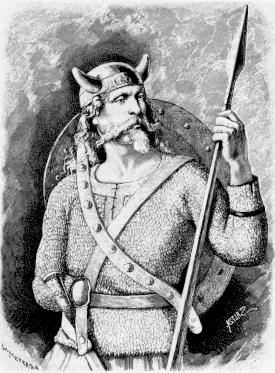



Role and characteristics
In myth Týr is associated especially with single combat, honor, and the keeping of oaths. He is often described as the type of deity who upholds agreements and public order rather than directing mass battle tactics. A defining feature of his persona is that he is one-handed: he loses a hand in a tale that demonstrates both his bravery and willingness to sacrifice personal safety for communal security.
Key myth: the binding of Fenrir
The best-known story about Týr relates to the monstrous wolf Fenrir. According to the tradition preserved in the Poetic Edda and summarized in later prose collections such as the Prose Edda, the gods trick Fenrir into being bound by a magical fetter. To secure the wolf’s agreement to be restrained, Týr places his hand in Fenrir’s mouth; when the wolf discovers the deception he bites off the hand. This episode is the principal explanation for Týr’s missing hand and underscores his role as guarantor of oaths.
Origins, names, and attestations
Evidence for Týr reaches back into older Germanic religion. His name appears in runic material and in place-names and is the ancestor of the weekday name Tuesday in English and related Germanic languages (Old English Tīw’s day). Scholarly reconstructions connect him to a widely venerated early-war-and-law figure, though the balance of his attributes varies among regions and periods. Early poems and later medieval compilations remain our main written sources; see primary texts and commentaries for detailed attestations (source editions, scholarship).
Legacy and notable facts
- Týr is often contrasted with war gods who preside over large-scale battle; his domain emphasizes single combat, arbitration, and legal order.
- The rune ᛏ (Tiwaz) bears his name in runic traditions and was sometimes used as a symbol invoking victory or legal authority.
- His story influenced medieval storytelling and survives in modern cultural references, linguistic traces, and popular retellings of Norse myth.
For modern readers, Týr exemplifies a deity whose moral authority rests on personal courage and the willingness to enforce or guarantee contracts—even at great personal cost. For introductions and translations, consult standard editions and accessible overviews (further reading).
Related articles
Author
AlegsaOnline.com Týr: Norse god of law, single combat, and the lost hand Leandro Alegsa
URL: https://en.alegsaonline.com/art/102374