
Turbonegro: Norwegian punk band and the 'deathpunk' identity
Turbonegro is a Norwegian punk rock band formed in Oslo in 1989, known for their self-styled 'deathpunk', provocative stage persona, international cult following (Turbojugend) and enduring influence on underground rock.
Turbonegro are a rock band that originated in Oslo and are widely identified with the alternative scenes of Norway. Formed in 1989, the group developed a distinct aesthetic and sound that they have often labeled deathpunk, a deliberately provocative term that signals a hybrid of raw punk energy and heavier rock influences. Their public image mixes satire, camp and confrontational performance choices, which has contributed to both controversy and fascination among audiences.
Image gallery
7 Images


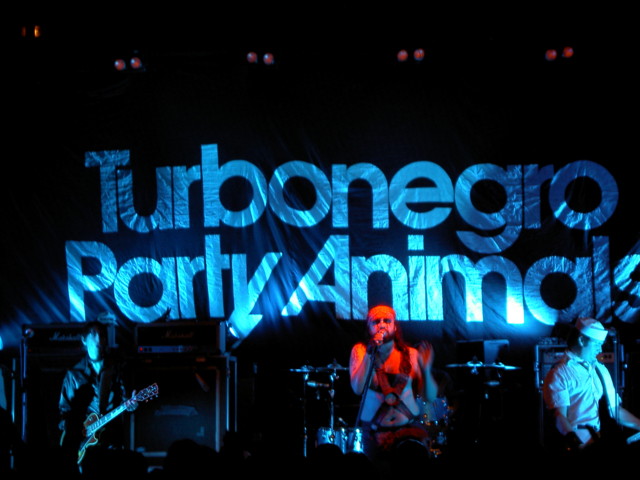

Musical style and approach
Turbonegro's music draws heavily from fast punk rhythms, catchy choruses and amplified guitar work associated with classic punk and hard rock. The songwriting tends to favor memorable hooks, driving tempos and lyrics that combine irony with directness. In concert the band prioritizes theatricality and crowd interaction over technical display, creating high-energy shows that emphasize communal participation and spectacle.
History and development
After forming in the late 1980s, Turbonegro released a sequence of records and singles that gradually increased their visibility beyond Norway. Through the 1990s and into the early 2000s they issued several studio albums that solidified a dedicated international following. Their trajectory has included lineup changes, periods of reduced activity and later reunions; despite these interruptions they retained a consistent aesthetic and a recognizable set of themes in their material.
Members and roles
- Hank von Hell — vocals; frontman associated with the band’s theatrical persona
- Happy-Tom — bass (often referenced as bass) and a principal public figure in the group
- Euroboy — lead guitar (noted for melodic playing; guitar)
- Pål Pot Pamparius — guitar and keyboards (contributor to arrangements; keyboard)
- Tomas Dahl — drums, providing much of the band’s rhythmic drive
Fan culture, collaborations and legacy
Turbonegro inspired a global fan club known as Turbojugend, organized in chapters and noted for its strong sense of identity and rituals at shows. The band also forged friendships with figures in skate and entertainment culture, an example being their association with Bam Margera, which helped introduce them to wider audiences. Over time their combination of theatrical stagecraft, accessible songwriting and punk roots has influenced a variety of underground rock acts and contributed to discussions about performance, irony and identity within alternative music scenes.
While specific album sales and chart positions vary by market, Turbonegro’s reputation rests on their sustained influence, an enduring cult following and a body of recordings and live performances that continue to be discussed by fans and critics alike. Their history exemplifies how a deliberately stylized approach to punk can produce both devoted fandom and a lasting place within the broader narrative of late 20th and early 21st century rock.
Related articles
Author
AlegsaOnline.com Turbonegro: Norwegian punk band and the 'deathpunk' identity Leandro Alegsa
URL: https://en.alegsaonline.com/art/102062