
TVXQ (Dong Bang Shin Ki / Tohoshinki)
South Korean pop duo TVXQ, also known as DBSK and Tohoshinki, formed under SM Entertainment; notable for vocal harmonies, synchronized performances, cross-border success in Korea and Japan, and a large international fanbase.
Overview
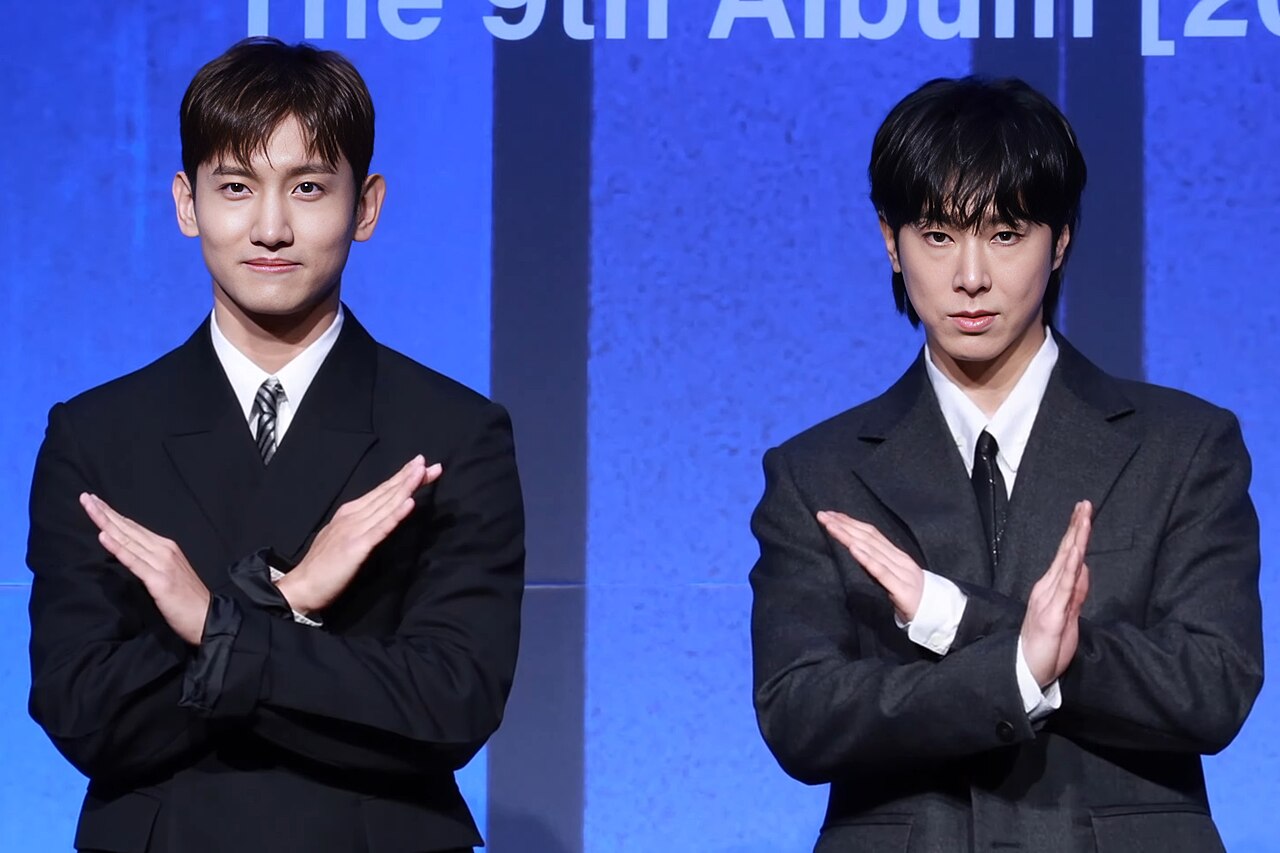
TVXQ (often stylized as TVXQ and originally promoted in Korea as Dong Bang Shin Ki, abbreviated DBSK, and in Japan as Tohoshinki) is a South Korean pop group managed by SM Entertainment. The act is composed of two members who perform under the stage names U‑Know Yunho and Max Changmin. They are known for combining strong vocal harmonies, tight choreography and polished stage production, and have been active across the Korean and Japanese music markets as well as in other East Asian territories.
Image gallery
5 Images


Members and musical style
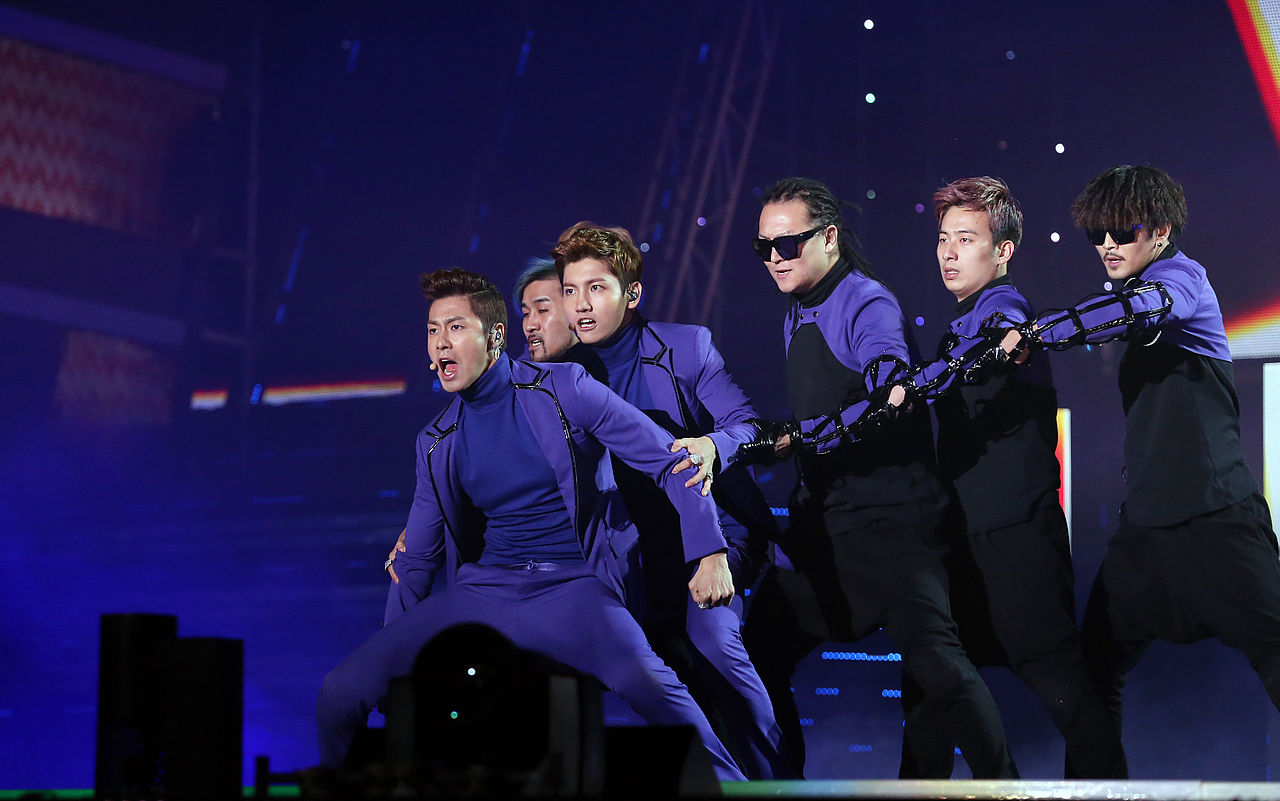
The current lineup consists of Yunho (leader and performer) and Changmin (main vocalist). Their sound blends contemporary pop, R&B and dance music with ballad-driven tracks; in concert they emphasize synchronized dance routines alongside live singing. TVXQ's visual and musical presentation has varied from dramatic, theatrical performances to more radio-friendly pop singles. Their bilingual activities in Korean and Japanese markets have required releases and promotions in both languages.
History and development
The group debuted in the early 2000s under SM Entertainment and built a reputation for large-scale concerts and frequent releases in Korea and Japan. Originally formed as a five-member ensemble, TVXQ underwent a major lineup change around 2009–2010 when three members departed following contractual and legal disputes; thereafter Yunho and Changmin continued TVXQ as a duo. Throughout its career the act has moved between domestic releases and dedicated Japanese projects, adapting production and promotion strategies to each market.
Notable releases and commercial highlights
TVXQ's discography includes multiple Korean studio albums and several Japanese albums. Korean albums such as Rising Sun (2005), O‑Jung.Ban.Hap. (2006) and Mirotic (2008) marked important commercial milestones; Mirotic in particular was widely reported as one of their most successful Korean releases. In Japan their first full-length album was released to modest chart positions initially, while later Japanese albums improved on sales and Oricon chart performance. Reported first-week and first-day sales for select Japanese albums showed marked growth as the group's popularity there increased.
Fandom, reception and cultural impact
TVXQ's fan community, known in Korea as Cassiopeia, has been described as one of the most active organized fan clubs for a Korean act, with similarly large followings in Japan and other East Asian countries. The group is often cited as part of the broader Hallyu (Korean Wave) phenomenon: their crossover success helped demonstrate how K‑pop acts could sustain simultaneous careers in multiple national markets. Critics and industry observers frequently point to their concert production values and the duo's stamina as a live act among their distinguishing strengths.
Discography highlights and distinctions
- Korean albums: Rising Sun; O‑Jung.Ban.Hap.; Mirotic
- Japanese albums: Heart, Mind and Soul; Five in the Black; T
- Notable facts: marketed under several names depending on region; successful in both Korean and Japanese commercial markets; continued activity following a major lineup change.
Further reading and resources
For more on their releases, tour history and official announcements, consult dedicated music databases and the group's official pages maintained by their label and regional promoters. The links below are placeholders for further reference in different markets:
- TVXQ profile (general)
- Artist page in Korea
- Korean music market details
- Japanese promotions and releases
- East Asian tour and activity overview
- Taiwanese fan activities
- Chinese-language coverage
- Early career and debut information
- SM Entertainment (label)
- Selected discography and chart history
The overview above summarizes widely reported aspects of TVXQ's career without exhaustive discographic detail; readers seeking full album lists, award histories or up‑to‑the‑minute tour schedules should consult the official sources and major music charts referenced in the links.
Questions and answers
Q: Who are the members of TVXQ?
A: The two members of TVXQ are U-know Yunho and Max Changmin.
Q: What is the name of their most successful album?
A: Their most successful album is Mirotic, which was released in 2008 and sold over 550,000 copies.
Q: What other names does TVXQ go by?
A: In Korea, they are known as Dong Bang Shin Ki (abbreviated DBSK, 동방신기, 東方神起) and in Japan they are known as Tohoshinki.
Q: How did their first Japanese album perform on the Oricon Chart?
A: Their first Japanese album Heart, Mind, and Soul peaked at #25 on the Oricon Chart. It sold less than 20,000 copies.
Q: How well did their second Japanese album do?
A: Their second Japanese album Five in the Black did very well. It peaked at #2 and sold over 26,000 copies in its first week of release.
Q: What was the performance of their third Japanese album?
A: The third Japanese album T also peaked at #2 and sold 30,003 copies on the first day of its release.
Q: Does TVXQ have an official fan club?
A: Yes, TVXQ has an official fan club called "cassiopeia" in Korea which makes it one of the biggest fan clubs in the world. There is also a big fan club for them in Japan.
Related articles
Author
AlegsaOnline.com TVXQ (Dong Bang Shin Ki / Tohoshinki) Leandro Alegsa
URL: https://en.alegsaonline.com/art/102208