
Twisted Sister (American heavy metal band)
Twisted Sister is an American heavy metal band formed in the early 1970s, best known for the 1984 album Stay Hungry and anthems like We're Not Gonna Take It and I Wanna Rock.
Overview
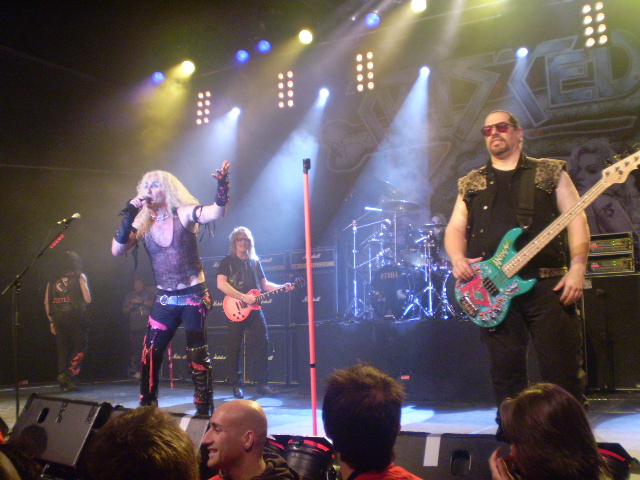
Twisted Sister are an American heavy metal band that rose to mainstream attention in the 1980s. They combined aggressive guitar riffs with big, singalong choruses and a flamboyant stage image. Their sound and look made them one of the most recognizable acts of the era, and several of their songs became enduring rock anthems.
Image gallery
4 Images


Origins and development
The group began in the early 1970s in New Jersey and initially drew on glam and hard rock influences. In their formative years they embraced theatrical costumes and makeup, a legacy of the glam scene. When vocalist Dee Snider became the frontman the band moved toward a heavier metal orientation while retaining strong hooks and a sense of showmanship.
Breakthrough and notable songs
The band achieved wide exposure with the 1984 album Stay Hungry, which included the hits We're Not Gonna Take It and I Wanna Rock. Their memorable promotional clips and high-energy live performances helped the songs cross over to MTV and radio, making the band household names. Their popularity during that period is often associated with the larger 1980s hard rock and metal scene.
Style, image and public role
Twisted Sister blended confrontational lyrics and catchy choruses with a deliberately exaggerated visual persona: heavy makeup, long hair, and costume elements borrowed from glam rock. This combination amplified the songs' rebellious spirit. The band's visibility also brought them into broader cultural debates about music, censorship and media in the mid-1980s.
Members and lineup
- Dee Snider — lead vocals
- Jay Jay French — guitar and management
- Eddie Ojeda — guitar
- Mark Mendoza — bass
- A.J. Pero — drums (longtime drummer, later deceased)
Legacy and later activity
Although their peak commercial success was concentrated in the mid-1980s, Twisted Sister's songs remain widely recognized and have appeared in films, television, and advertising. The band disbanded and re-formed at different times, performing reunion shows and tours for fans. Their place in rock history is tied to both their music and their theatrical presentation, which bridged glam sensibilities and heavy metal power.
For further reading on the band's music videos and cultural impact see their videos and discussions of 1980s popular music. Their roots in glam are often compared to acts like the New York Dolls, while many accounts of the band's 1980s prominence reference how they were popular across mainstream rock outlets in the 1980s. Background on the group's genre placement can be found via resources labeled glam rock and heavy metal, and general band histories are available through music archives and fan sites (American, band).
Related articles
Author
AlegsaOnline.com Twisted Sister (American heavy metal band) Leandro Alegsa
URL: https://en.alegsaonline.com/art/102270
Sources
- metal-archives.com : "Twisted Sister - Encyclopaedia Metallum: The Metal Archives"
- nolifetilmetal.com : "No Life 'til Metal - CD Gallery - Twisted Sister"