
Trowbridge, Wiltshire
County town of Wiltshire in southwest England, on the River Biss; historically a centre of cloth manufacture and now an administrative and service hub with canal and rail links.
Overview
Trowbridge is the administrative centre and county town of Wiltshire, a historic county in southwest England. The town lies on the River Biss in the western part of the county and sits within easy reach of larger urban centres, being roughly eight miles southeast of Bath, Somerset. Its setting at the edge of low hills and on traditional transport routes helped shape the town's growth from a market settlement into an industrial and later administrative centre.
Image gallery
10 Images




Geography and administration
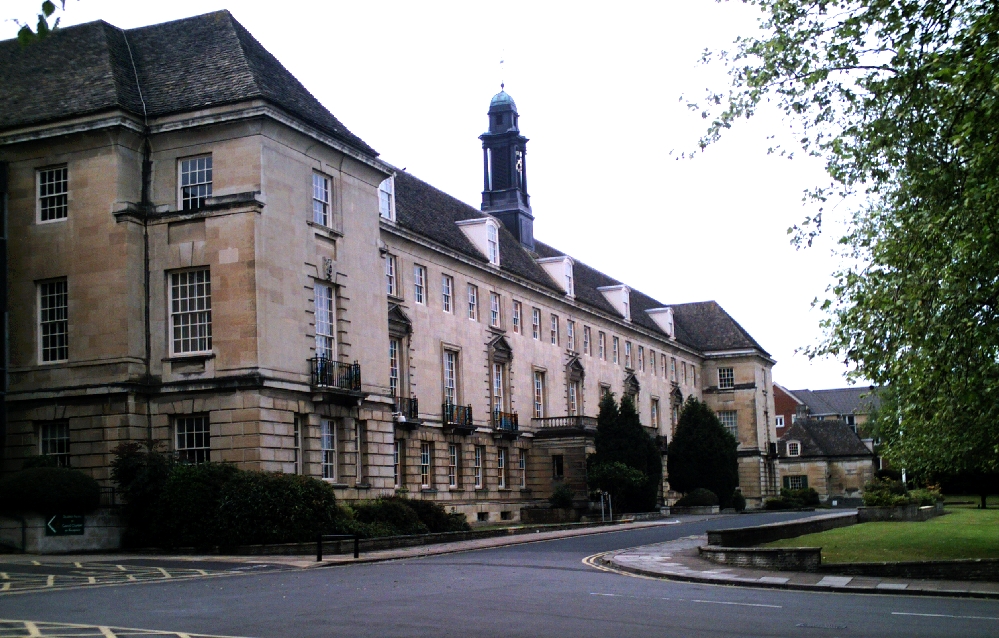
Trowbridge is a civil parish whose boundary includes several neighbourhoods such as Longfield, Lower Studley, Upper Studley, Studley Green and Trowle Common. The town stands within a network of nearby towns and villages and is connected by road and rail to regional cities including Gloucester and Bristol. Local government, commercial services and community facilities in Trowbridge serve a wider rural and suburban hinterland in west Wiltshire.
History and development
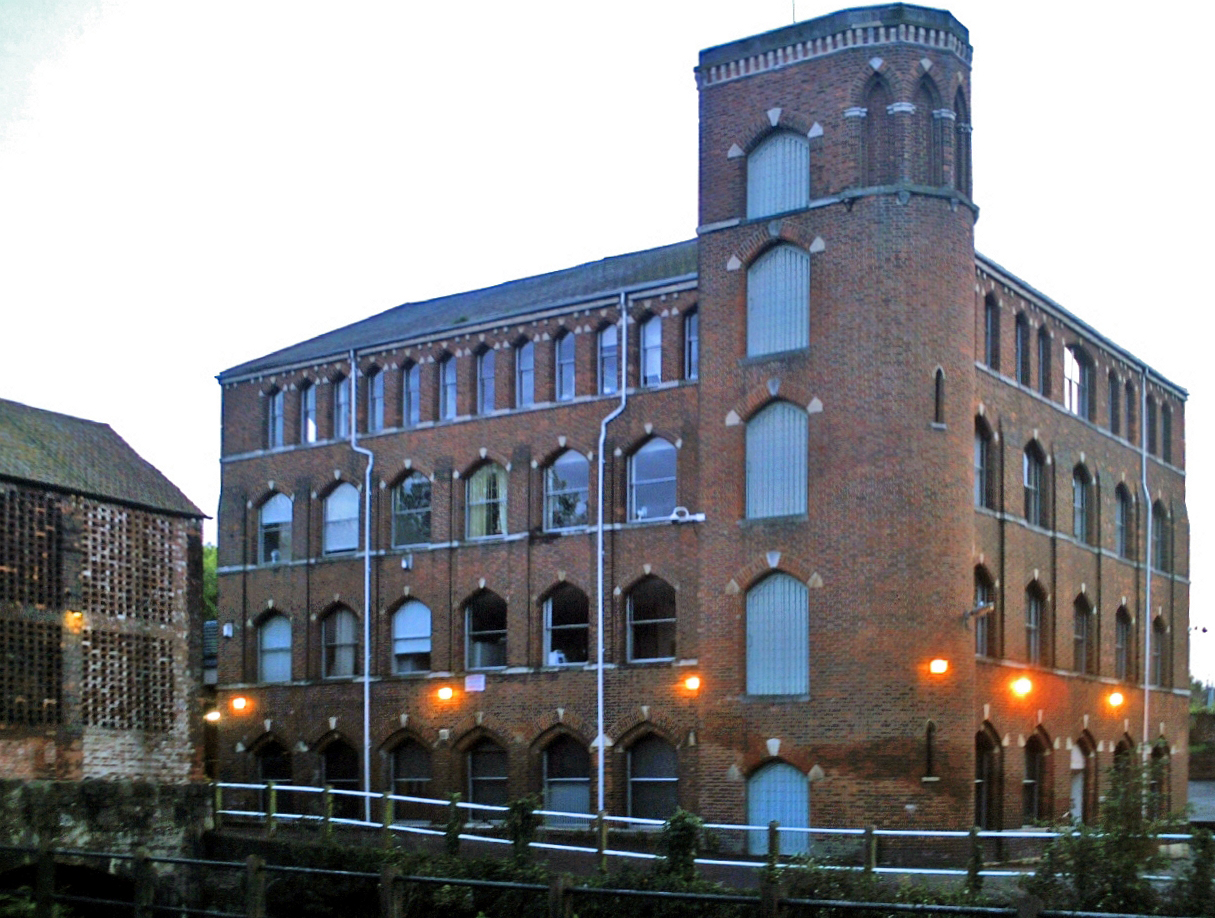
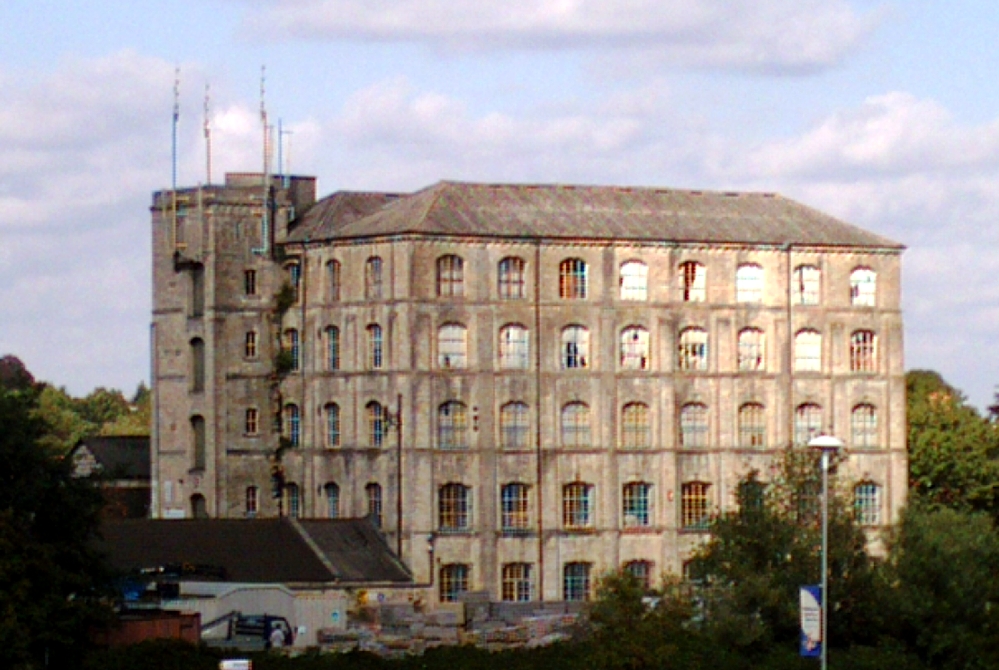
For many centuries Trowbridge functioned as a market town, with markets and fairs providing a local focus for trade. The arrival of the Kennet and Avon Canal in the late 18th and early 19th centuries was a turning point: the waterway improved the supply of coal from nearby coalfields and enabled mechanised textile production in the town's mills. Steam and water-powered mills produced cloth and blankets in large quantities, and during the height of the wool and textile era Trowbridge earned the informal nickname "the Manchester of the West" because of the concentration of cloth manufacture and industrial activity.
Economy, culture and landmarks
The traditional textile industry declined during the 20th century, as in many British towns, and Trowbridge gradually diversified into light industry, retail, public administration and services. Architectural traces of the industrial past survive in former mill buildings, workers' terraces and canal-side infrastructure, which form part of the town's heritage attractions. Cultural life includes local museums, community arts venues and annual events that reflect both rural traditions and the town's industrial history.
Transport and nearby places
Transport links were historically dominated by the canal and later by rail and road improvements. The Kennet and Avon Canal remains an important heritage and leisure corridor while rail services link Trowbridge with regional centres. The town sits among a ring of small towns and villages; nearby settlements include:
- Bradford on Avon
- Westbury
- Melksham
- Frome
- Devizes
Adjacent civil parishes and suburbs include Staverton, Hilperton, West Ashton, North Bradley, Southwick and Wingfield, forming a patchwork of communities around the town.
Notable facts and distinctions
Today Trowbridge retains its role as the county town of Wiltshire and combines administrative functions with local commerce, education and recreational green spaces. Its River Biss valley, surviving industrial buildings and canal-side environment mark the interplay of landscape and industry that defined much of its history. Visitors and residents often encounter the town's layered past in converted mills, town-centre streets and museum exhibits that explain how local trade and transport shaped life here over several centuries.
Related articles
Author
AlegsaOnline.com Trowbridge, Wiltshire Leandro Alegsa
URL: https://en.alegsaonline.com/art/101759
Sources
- neighbourhood.statistics.gov.uk : "Trowbridge - 2011 Census"
- history.wiltshire.gov.uk : "My Page"