
Troyes: historic city and capital of Aube in north-central France
Troyes is a medieval city on the Seine in north-central France, capital of the Aube department, known for its compact old town, timber-framed architecture, medieval fairs and the origin of the troy weight.
Overview
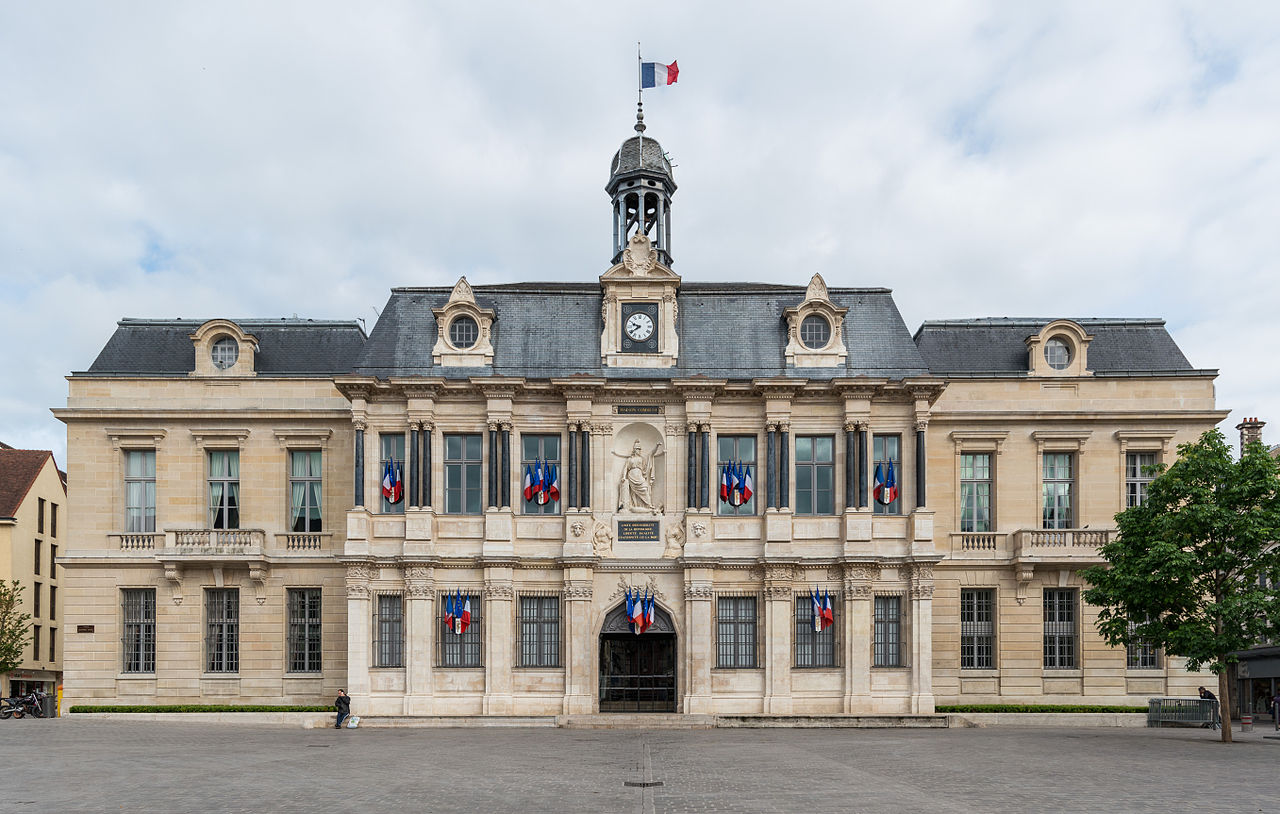
Troyes is a commune in France and the administrative centre of the Aube department. It lies on a pronounced meander of the Seine, roughly southeast of Paris, and retains a compact historic core shaped by centuries of habitation. The urban footprint of Troyes is distinguished by a concentric pattern around the medieval centre, where narrow streets and varied rooflines preserve a legible sequence of building phases.
Image gallery
8 Images




History and development
Evidence of settlement in the area predates the Middle Ages; Troyes grew in prominence during the medieval period as a commercial and administrative centre. Its prosperity was based in large part on the cloth and textile trades and on a series of seasonal fairs that drew merchants from across western and central Europe. During episodes of national upheaval in the early 15th century the town briefly hosted bodies of government and was a locus of political activity (see historical note).
Architecture and urban character
The old town of Troyes contains dense groups of timber-framed houses, town mansions from wealthy merchants, and several churches exhibiting Gothic and Romanesque elements. The cathedral and numerous parish churches retain stained glass, sculptural decoration and vaulted interiors that reflect regional artistic currents. The plan of the medieval quarter, with compact blocks and narrow alleys, makes Troyes a well-preserved example of provincial urbanism and a subject of interest for conservationists.
Economy, culture and heritage
Historically the local economy was driven by textiles, trade and the fairs that shaped commercial practice and standards of measurement. The term troy weight, long used for precious metals and gemstones, is associated with standards that circulated through trade connected to Troyes. In modern times the city balances heritage tourism with light industry, education and retail; museums, galleries and cultural festivals interpret the archaeological and medieval legacy for residents and visitors alike.
Institutions, museums and events
- The municipal museums present collections of medieval art, archaeology and local history, helping to explain Troyes's role in regional trade and craftsmanship.
- There are thematic walking routes and interpretive panels that guide exploration of timber-framed streets, former merchant houses and ecclesiastical monuments.
- Regular cultural programming includes markets, exhibitions and events that draw on the city's historic identity while serving contemporary community life.
Administration and practical information
Troyes is the prefecture and administrative seat of its department and provides regional services and facilities (departmental seat). Its compact centre is easily explored on foot; public transport and road connections link the city with surrounding towns and with the wider region. For travel, municipal services and official announcements consult municipal resources and regional guides (national context, river geography).
Notable facts
- Its medieval fairs helped standardize commercial practice and are cited in the history of the troy weight, a measure historically used for precious materials.
- During the early 15th century Troyes temporarily hosted national authorities during a period of political change; detailed chronological accounts are available in specialized histories (see source).
- Today Troyes combines administrative functions, cultural institutions and preserved urban fabric that continue to attract scholars and visitors.
Readers seeking more information about the city's municipal services, cultural programmes or geographic setting can consult official and regional resources, and the city archives and museums for primary material and curated interpretations. For introductory overviews and travel planning, national and regional portals remain useful starting points (France, Seine).
Questions and answers
Q: What is Troyes?
A: Troyes is a commune and the capital city of the Aube department in north-central France.
Q: Where is Troyes located?
A: Troyes is located on the Seine river about 150 km (93 mi) southeast of Paris.
Q: Was Troyes ever the capital of France?
A: Yes, Troyes was briefly the capital of France in the early 15th century.
Q: What is the troy weight for gold?
A: The troy weight for gold derives from the standard of measurement which developed in Troyes.
Q: What river is Troyes located on?
A: Troyes is located on the Seine river.
Q: How far away is Troyes from Paris?
A: Troyes is about 150 km (93 mi) southeast of Paris.
Q: What is the Aube department?
A: The Aube department is a department in north-central France with Troyes as its capital city.
Related articles
Author
AlegsaOnline.com Troyes: historic city and capital of Aube in north-central France Leandro Alegsa
URL: https://en.alegsaonline.com/art/101774
Sources
- books.google.com : The Encyclopedia Britannica: A Dictionary of Arts, Sciences, Literature and General Information
- books.google.com : The Junior Encyclopedia Britannica: A Reference Library of General Knowledge
- books.google.com : The Encyclopaedia Britannica: A Dictionary of Arts, Sciences, Literature and General Information
- books.google.com : The Practical Arithmetic: Designed for Such Institutions as Require a Greater Number of Examples Than are Given in the Elementary Arithmetic
- books.google.com : Americanized Encyclopedia Britannica, Revised and Amended: A Dictionary of Arts, Sciences and Literature; to which is Added Biographies of Livings Subjects
- newadvent.org : "Troyes,"
- books.google.com : The Troyes Memoire: The Making of a Medieval Tapestry
- books.google.com : A History of Diplomacy in the International Development of Europe