
Troy, New York — history, features, and significance
Troy is a city in Rensselaer County on the east bank of the Hudson River near Albany, noted for 19th‑century industry, distinctive architecture, RPI, and its nickname the 'Collar City'.
Overview
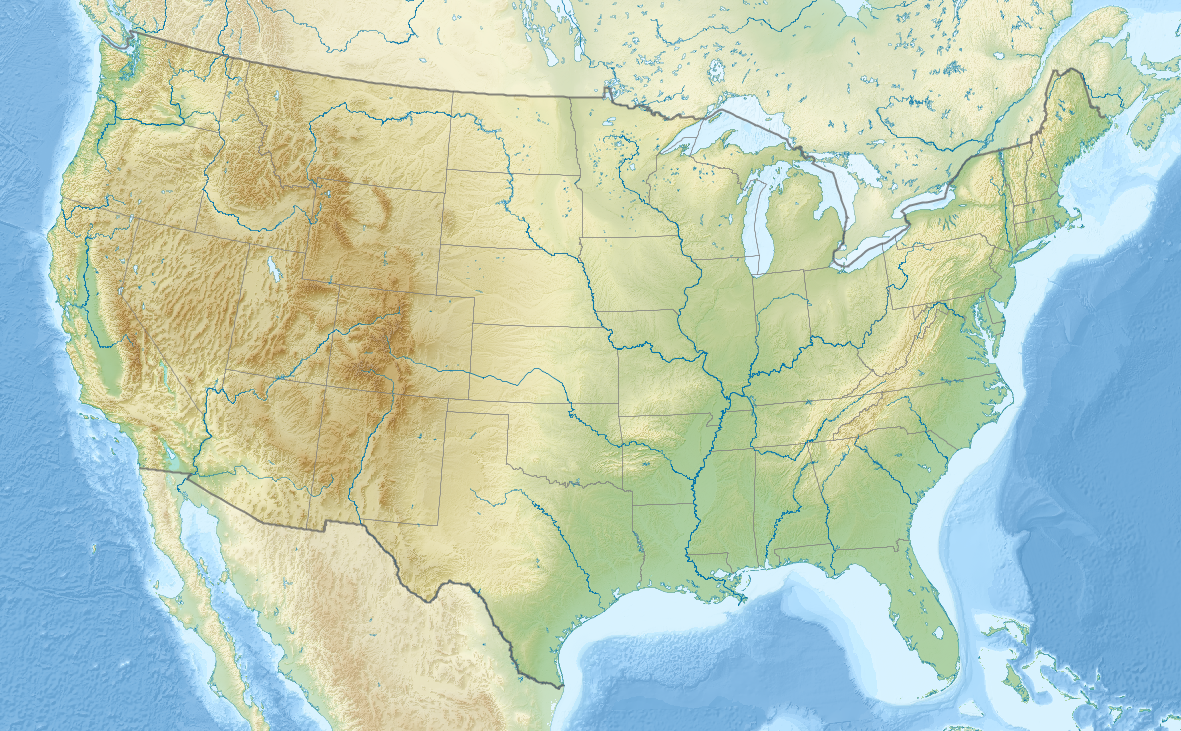
Troy is a small city in Rensselaer County, situated on the east bank of the Hudson River opposite the state capital. It is part of the greater Capital District and lies within New York in the United States. According to the 2010 U.S. census, the population was reported as 50,129. Troy functions as both a residential community and a regional center for education, culture and small‑scale manufacturing.
Image gallery
10 Images



Geography and layout
The city's compact footprint stretches along the river and up into surrounding hills. Downtown sits near the waterfront and contains a mix of commercial streets and preserved 19th‑century buildings, while residential neighborhoods extend inland. Troy's location on the Hudson historically made it a transport and industrial hub for the surrounding region.
Historical development
Troy grew rapidly in the 19th century as industry and trade expanded along the Hudson. It became known for ironworking, textiles and precision manufacturing. During that era the city earned the nickname Collar City because of its prominent detachable shirt‑collar and garment industries. Troy is also associated with the figure popularly called "Uncle Sam," a local meat packer whose name became a national symbol.
Education, architecture and landmarks
Education and architecture are important to Troy's identity. The city hosts a well‑known technical university founded in the early 19th century and contains large historic districts with Victorian and Federal‑style buildings. Preservation efforts in recent decades have highlighted ornate commercial blocks and civic structures.
- Major campus and research institutions that shape the local economy and culture.
- Historic downtown blocks and multiple buildings listed on heritage registers.
- Music halls, theaters and museums that serve the regional arts scene.
Economy and contemporary life
While heavy industry has diminished since its peak, Troy's economy today mixes education, small manufacturers, creative industries and service businesses. Waterfront redevelopment, farmers' markets, galleries and annual community events contribute to a lively civic life that attracts visitors from the surrounding metropolitan area.
Notable distinctions
Troy remains notable for its concentration of historic architecture, for its role in 19th‑century American manufacturing, and for cultural landmarks that continue to draw interest. Visitors and residents alike point to the combination of a compact urban center, visible industrial heritage, and active preservation scene as defining characteristics of the city.
Related articles
Author
AlegsaOnline.com Troy, New York — history, features, and significance Leandro Alegsa
URL: https://en.alegsaonline.com/art/101768
Sources
- www2.census.gov : "2016 U.S. Gazetteer Files"