
Transport network
An organized system of infrastructure—roads, rails, pipelines, cables—that enables movement of people, goods, energy or fluids; includes structure, history, uses and key distinctions.
Overview
A transport network is an organized arrangement of physical infrastructure that enables movement or flow between locations. It includes corridors, nodes and links that together permit vehicles, people, commodities or energy to travel. Commonly discussed examples include the system of highways and local streets, rail corridors, pipelines and overhead lines. The term can also apply to abstracted models used in planning and analysis.
Image gallery
1 Image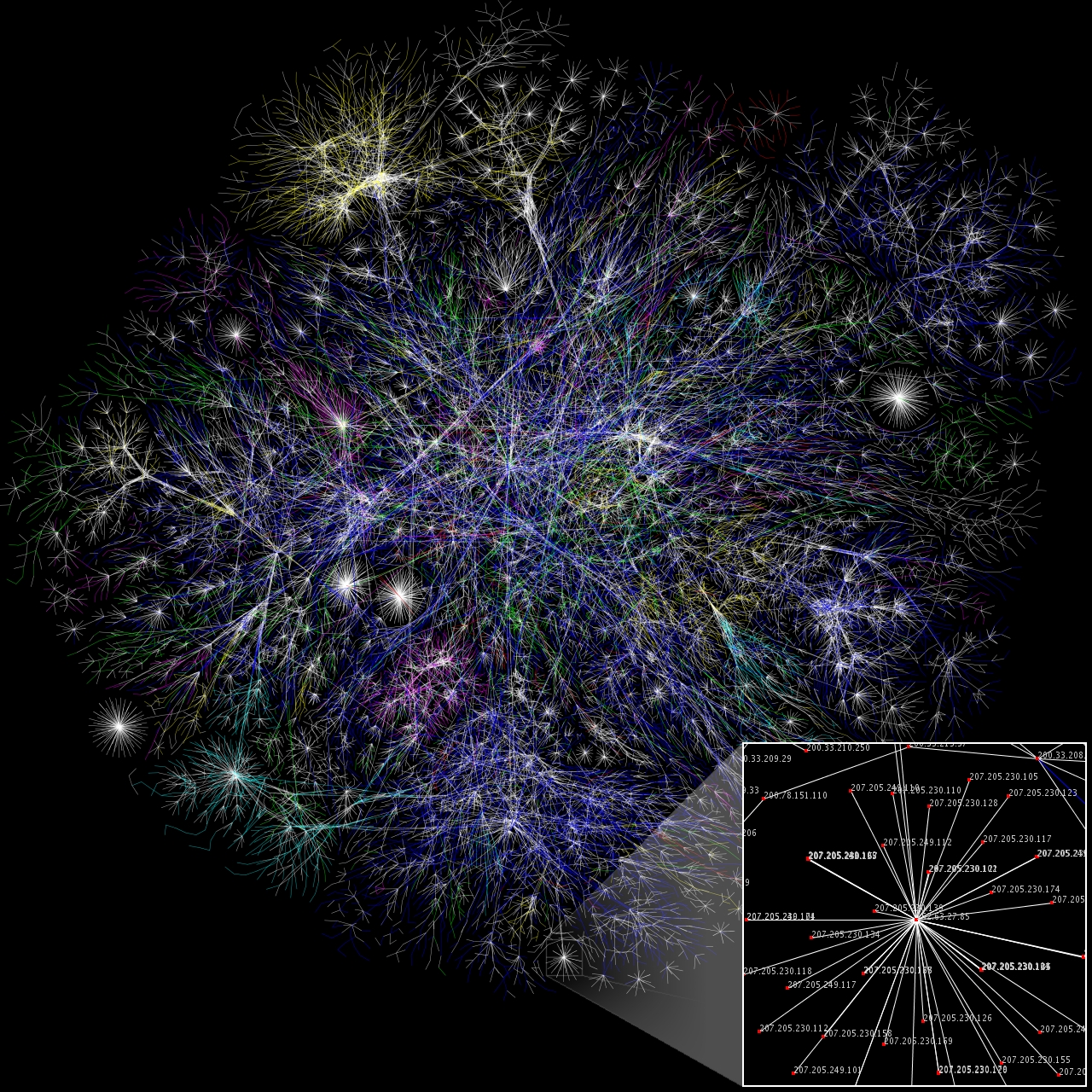
Components and characteristics
Networks are commonly decomposed into three basic elements: links (the paths such as roads or vehicle routes), nodes (intersections, stations, terminals) and terminals or endpoints. Physical form and capacity vary by mode: for example, streets are typically finer-grained and urban, while major arterial routes connect regions. Other specialised conduits include pipelines for liquids and gases and power lines for electricity transmission.
History and development
Transport networks evolved as societies grew more interconnected. Early routes followed trade paths and waterways; later developments—railways, paved roads and telecommunication corridors—reshaped settlement patterns and economic activity. Planning approaches also matured from ad hoc construction to integrated network design, taking into account capacity, resilience and environmental impacts.
Uses and importance
These networks sustain daily life and commerce by enabling commuting, freight movement, distribution of fuels and delivery of services. Planners analyze networks to optimize travel time, reduce congestion, improve safety and increase reliability. Network thinking is also applied in logistics, emergency response and utility management.
Distinctions and notable facts
- Mode-specific networks differ: road networks support flexible routing, rail networks prioritize fixed corridors, and pipelines provide continuous flow.
- Network performance depends on topology, capacity, connectivity and management policies.
- Analytical models abstract transport networks into graphs used in optimization and simulation studies.
Understanding the form and function of a transport network helps policymakers, engineers and the public evaluate investments, anticipate disruptions and plan for future growth. For introductory materials and technical references see further reading.
Related articles
Author
AlegsaOnline.com Transport network Leandro Alegsa
URL: https://en.alegsaonline.com/art/101197