
Transportation in Pakistan
Comprehensive overview of Pakistan’s transport system: roads, motorways, rail, air, seaports, urban transit, major projects, challenges and policy directions shaping movement of people and goods.
Transportation in Pakistan comprises an interlinked set of road, rail, air and maritime systems that move people and goods across urban and rural areas. The network is vital to the national economy and regional trade, and it has expanded in recent decades through public investment and international partnerships. Service quality and infrastructure condition vary by region, and many projects are ongoing to meet rising demand.
Image gallery
10 Images





Major modes and networks
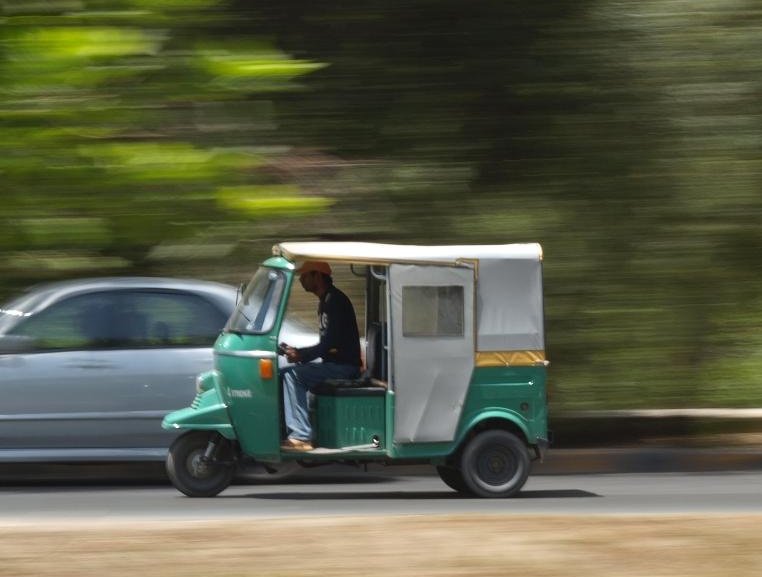
- Roads and motorways: A network of national highways, provincial roads and controlled-access motorways carries the bulk of passenger traffic and short-haul freight. Motorway corridors connect major cities and industrial areas and are the primary arteries for long-distance road transport.
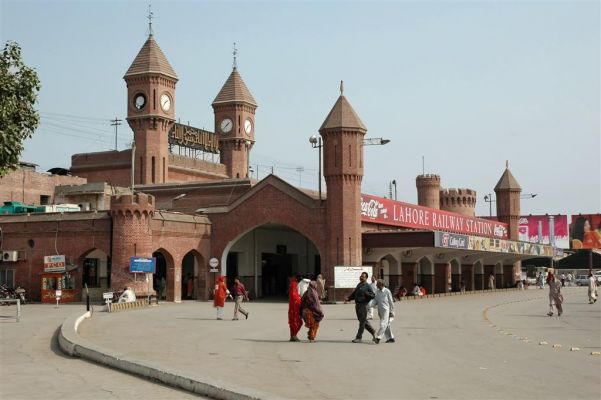
- Railways: Pakistan Railways operates the national rail system for passenger and freight services. Rail is important for long-distance travel and bulk cargo, though modernization of rolling stock, track and signaling is widely cited as a priority.
- Air transport: International and domestic airports link major urban centers to global markets. Larger airports have undergone periodic upgrades to handle increasing passenger volumes and international cargo.
- Seaports and maritime transport: Major ports handle most container and bulk trade. Port expansion projects and deep-water developments aim to increase capacity and support export-led growth.
Urban transit and regional projects
Urban transit is evolving with bus rapid transit corridors, commuter rail upgrades and metro or light-rail projects in several cities to reduce congestion and improve reliability. Regional infrastructure programs, including international corridor initiatives, have spurred road and port investment and encouraged logistics improvements.
Challenges and future directions
- Funding, maintenance backlogs and uneven regional coverage constrain service levels.
- Road safety, vehicle standards and urban congestion are pressing policy concerns.
- Environmental pressures and fossil-fuel dependence drive interest in electrified urban transit and cleaner freight options.
- Improving multimodal integration, digital traffic management and freight logistics is seen as essential to boost efficiency.
Overall, Pakistan’s transport system remains a work in progress: strategically important for domestic mobility and international trade, it continues to develop through targeted investment, public–private partnerships and policy reforms aimed at improving connectivity, safety and sustainability.
Related articles
Author
AlegsaOnline.com Transportation in Pakistan Leandro Alegsa
URL: https://en.alegsaonline.com/art/101199
Sources
- cia.gov : "World Factbook - Pakistan"
- dailytimes.com.pk : "Govt considers railway links with central Asia"
- app.com.pk : "PR signs deal with foreign firm for pre-feasibility study of Pakistan-China rail link"
- thaishipper.com : thaishipper.com
- ↑
- pakistantimes.net : "http://www.pakistantimes.net/pt/detail.php?newsId=3343"
- dailytimes.com.pk : "Leading News Resource of Pakistan"
- dawn.com : "Pakistan | PM launches trial phase of Pak-Turkey train service"
- news.bbc.co.uk : "Pakistan–Turkey rail trial starts"