
Transrapid: German magnetic‑levitation high‑speed train system
Transrapid is a German-developed magnetic levitation (maglev) train system using electromagnetic suspension and linear motors; best known for the Shanghai maglev commercial line.
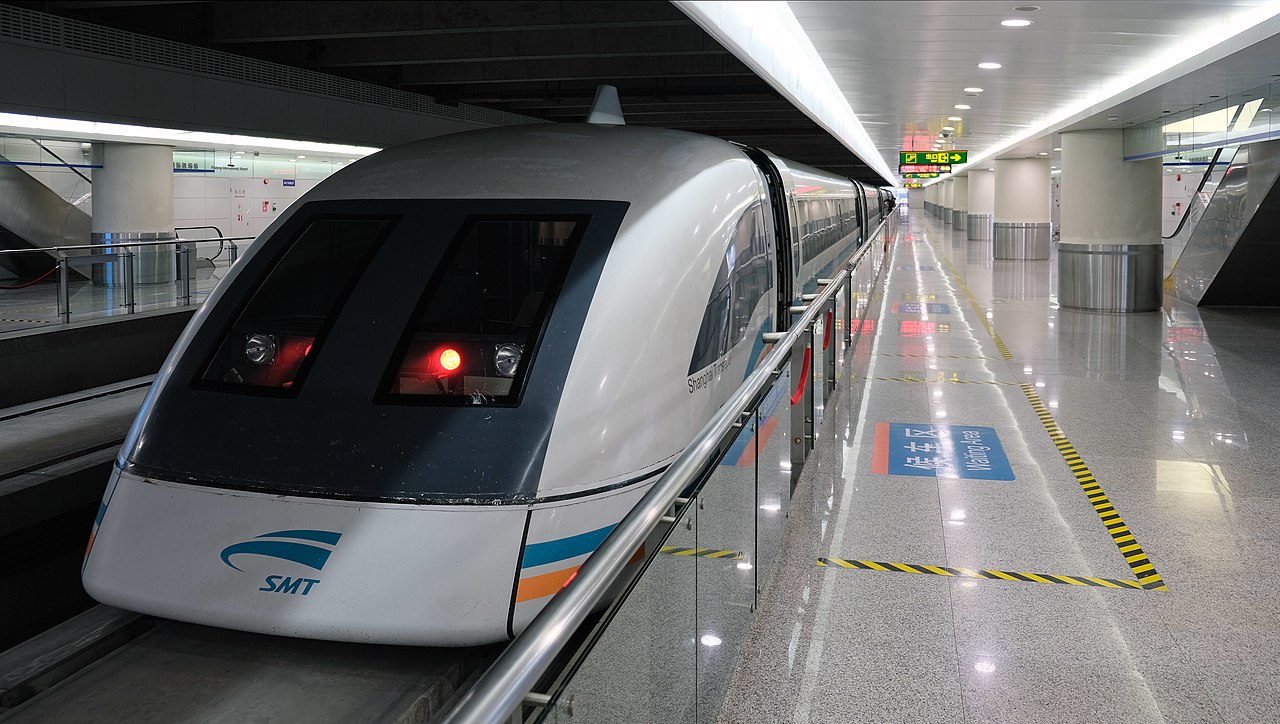
The Transrapid is a family of high‑speed magnetic levitation trains developed in Germany. Using magnetic levitation instead of conventional wheels on rails, Transrapid vehicles float above a specially designed guideway and are propelled by a linear electric motor. The design aims to combine rapid acceleration, low rolling resistance and smooth ride quality for point‑to‑point transport.
Image gallery
9 Images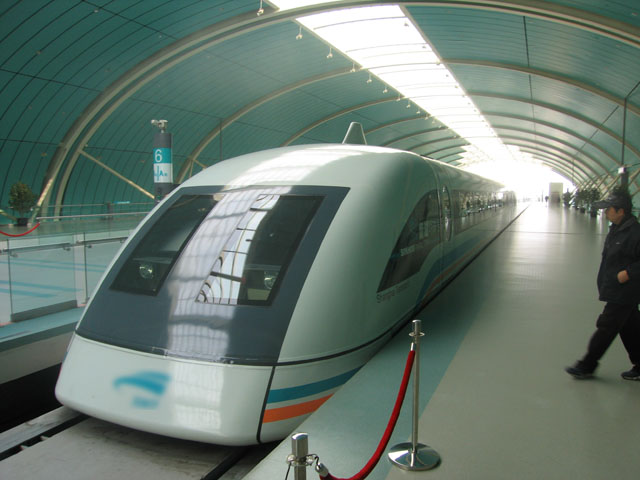




Technology and characteristics
Transrapid uses electromagnetic suspension (EMS) to lift the vehicle a small distance above the guideway and a linear synchronous motor for propulsion. Key technical features include strong guidance forces from the vehicle’s undercarriage, a continuous powered guideway that also houses control and safety equipment, and an aerodynamic carbody optimized for high speeds. In test runs the system has achieved speeds up to about 500 km/h; commercial operation in Shanghai runs at roughly 430 km/h.
History and development
Development of the Transrapid concept began in Germany and progressed through testbeds and prototypes operated by a consortium of industrial partners, including major engineering companies. The system was advanced by TRANSRAPID INTERNATIONAL GmbH & Co. KG, a joint venture combining expertise from German firms such as Siemens and ThyssenKrupp. Research and trials were carried out over several decades to refine levitation, propulsion and control systems.
Uses, deployments and examples
Commercial deployment of Transrapid has been limited. The most prominent installation is the airport express line in Shanghai, which connects the city with its Pudong airport and opened for service in the early 2000s; this link is often cited as the only full commercial Transrapid operation. Many other proposed projects—airport links and dedicated intercity corridors—were studied but not built, often due to high infrastructure cost and political decisions.
Advantages, limitations and notable facts
- Advantages: very low mechanical friction, rapid acceleration, quiet wheel‑free operation, and potential for high sustained speeds.
- Limitations: high capital cost for custom guideways and switching systems, compatibility issues with existing rail infrastructure, and significant energy use at top speeds.
- Notable: the system is closely associated with German engineering export efforts and has been the subject of safety reviews after an accident on a German test track that affected public perception and deployment choices.
For further technical summaries and project histories, see the general Transrapid overview Transrapid information, background on its country of origin Germany, and details about the operational Shanghai line Shanghai maglev.
Related articles
Author
AlegsaOnline.com Transrapid: German magnetic‑levitation high‑speed train system Leandro Alegsa
URL: https://en.alegsaonline.com/art/101205