
Transport in Hong Kong: network, payment systems, history and challenges
Overview of Hong Kong’s transport system, its high public transport use, main modes (MTR, buses, trams, ferries, taxis), the Octopus card and development, plus current issues and distinctions.
Overview
Hong Kong maintains a dense, multi-modal transport system that serves a compact metropolitan area and many outlying islands. Public transport dominates daily travel: more than nine out of ten journeys are made by trains, buses, trams, ferries, minibuses and taxis rather than private cars, a modal share among the highest in the world. The network combines rapid urban rail, regional services, road-based transit and waterborne links to meet high demand in a geographically constrained territory.
Image gallery
10 Images


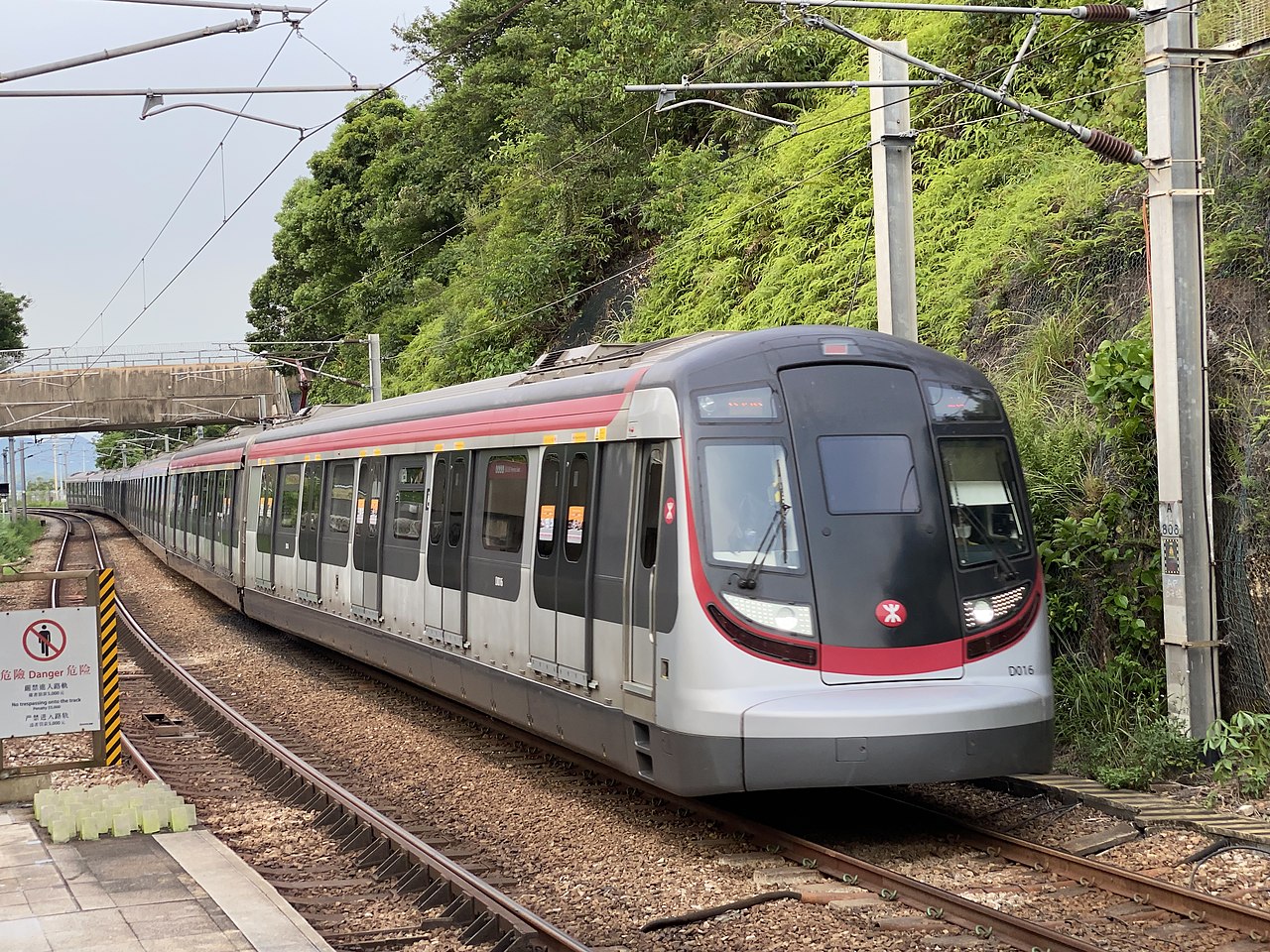


Major modes and characteristics
- MTR and rail: The Mass Transit Railway (MTR) provides urban and suburban heavy-rail services, with frequent trains and high capacity for commuters. MTR system connects major residential, business and airport hubs.
- Buses and minibuses: A mix of franchised double-decker buses and smaller public light buses operate across the territory, offering route coverage where rail is absent.
- Trams and ferries: Historic double-decker trams run on Hong Kong Island and are a distinctive, affordable option; ferries link Kowloon, Hong Kong Island and outlying islands, including the iconic cross-harbour and island services.
- Taxis: Metered taxis provide point-to-point service, regulated by color-coded fleets and subject to standard fares.
- Airport and regional links: Dedicated services such as the Airport Express and long-distance coaches connect the city with the international airport and neighbouring regions.
Payment and integration
A defining feature of Hong Kong’s transport is the high level of integration and the widespread use of a contactless stored-value card. The Octopus card, introduced in September 1997, is accepted on nearly all public transport modes and at many retail outlets, parking meters and vending machines. This single-card model simplifies transfers, speeds boarding and has been adapted for retail micropayments beyond transport. Many operators also offer mobile and smart-ticketing options compatible with the same contactless infrastructure.
History and development
The transport network evolved from colonial-era ferries and trams to an extensive post‑war bus and rail system as the population and economy grew. Investments in rapid transit and road links during the late 20th century shaped commuter patterns and supported dense urban development. Policy decisions have long favoured public transport and pedestrian accessibility to manage limited road space and environmental concerns.
Importance, governance and challenges
Reliable transport underpins Hong Kong’s economy and daily life, enabling high labour mobility and tourism. Governance involves multiple public authorities and private operators working under regulation to coordinate routes, fares and standards. Key challenges include managing congestion, upgrading aging infrastructure, expanding capacity to meet future demand and balancing development with environmental and community impact. Fare integration and technological upgrades continue to be priorities.
Notable distinctions and practical notes
- Public transport’s exceptionally high share of trips is a notable international distinction for Hong Kong; it is often cited in studies of urban mobility and sustainability. Overview sources
- Octopus-style contactless systems have inspired similar schemes elsewhere; the card’s retail acceptance is unusually broad for a transport smartcard. Octopus details
- Visitors should note driving is on the left and that dense urban areas favor walking and public transit over private car use. Public transport information
- For rail maps, service updates and ticketing rules consult official operator pages and journey planners. Ticketing and payment and MTR services
Related articles
Author
AlegsaOnline.com Transport in Hong Kong: network, payment systems, history and challenges Leandro Alegsa
URL: https://en.alegsaonline.com/art/101194