
Beesha Darawiish (Dhulbahante) — Harti subclan of the Darod
Beesha Darawiish, or the Dhulbahante, is a Harti subclan of the Darod family in northern Somalia. Historically associated with a garaadship and the Dervish movement, they mainly inhabit Sool, Sanaag and Cayn.
Overview
Beesha Darawiish (literally "the Dervish clan") is a name commonly applied to the Dhulbahante, a major Somali subclan of the Harti branch of the larger Darod clan-family. Members are often referred to as Reer Darawiish or Si'iid Harti in local usage. The Dhulbahante speak Somali, follow Sunni Islam, and have a pastoralist heritage closely tied to the highlands and plateaus of northern Somalia.
Image gallery
10 Images





Social structure and leadership
The Dhulbahante social organization is lineage-based, with traditional elders and chiefs (known historically as garaads) playing central roles in dispute resolution, resource allocation and inter-clan relations. The precolonial polity often described as the Dhulbahante garaadship provided a framework of customary law and leadership among many Dhulbahante lineages; for background on traditional governance see the garaadship. Contemporary community leadership combines these customary institutions with modern political actors and civil society figures.
History and the Darwiish connection
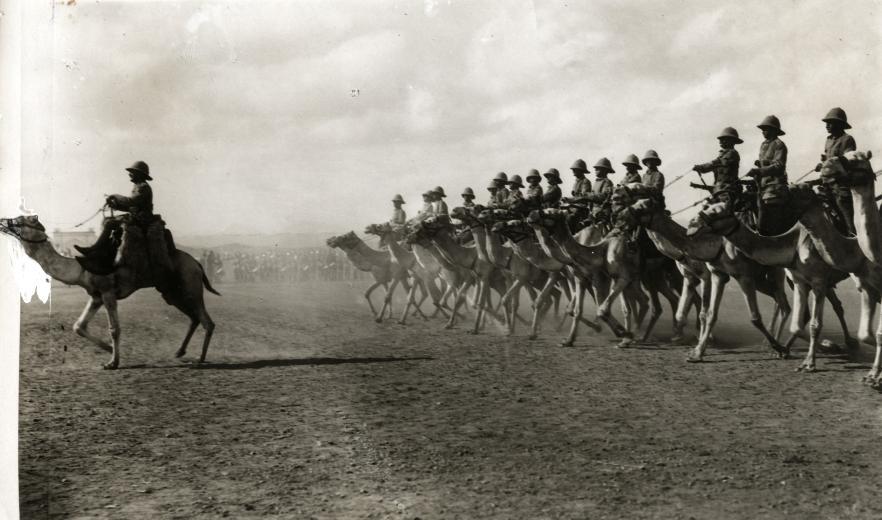
In the late nineteenth and early twentieth centuries the term "Darwiish" became widely associated with the anti-colonial Dervish movement led by Sayid Maxamed Cabdulle Xasan. The Dervish movement resisted British, Italian and Ethiopian encroachment across present-day Somalia from roughly the turn of the 20th century, and drew substantial support from Dhulbahante clans. Because of that close involvement, the Dhulbahante are frequently described in historical accounts as the backbone of the Darwiish. Local names and variants are recorded in Somali and Arabic sources; see the Somali form Duulbaahaante and an Arabic rendering دولباهانتى اوسعيد هرتي in some documents.
Territory and economy
Traditionally nomadic pastoralists, Dhulbahante communities are concentrated across the regions commonly known as Sool, Sanaag and Cayn. They also live in towns and cross-border areas that today fall under the administrations of Somaliland, Puntland and neighbouring territories. Principal towns with notable Dhulbahante populations include Las Anod and Buuhoodle, among others. Key economic activities include camel, goat and cattle herding, seasonal trade and increasingly urban livelihoods.
Contemporary role and politics
The Dhulbahante play a significant role in the political landscape of northern Somalia. Clan identity, land and access to resources shape local politics, service provision and peace processes. Various local councils, reconciliation conferences and political movements have involved Dhulbahante elders and representatives as stakeholders in talks about regional governance, autonomy and development. For a general clan overview see Dhulbahante clan information.
Notable distinctions
- The label "Darawiish" can refer specifically to supporters of the historical Dervish movement or more broadly to clan members descended from those participants; not every Dhulbahante individual identifies primarily with the Dervish label.
- The traditional garaadship and the later Dervish period represent distinct phases in the community's political history — one rooted in customary chieftaincy, the other in militant resistance and anti-colonial mobilization.
- Modern Dhulbahante society reflects a mixture of nomadic pastoralism, urban migration and participation in regional administrations, illustrating the wider social change across the Horn of Africa.
Related articles
Author
AlegsaOnline.com Beesha Darawiish (Dhulbahante) — Harti subclan of the Darod Leandro Alegsa
URL: https://en.alegsaonline.com/art/10095