
Boro people: an overview of the Bodo community of Assam
The Boro (Bodo) are an ethnolinguistic group of northeastern India, primarily in Assam. This article covers their language, culture, history, social life, and modern political developments.
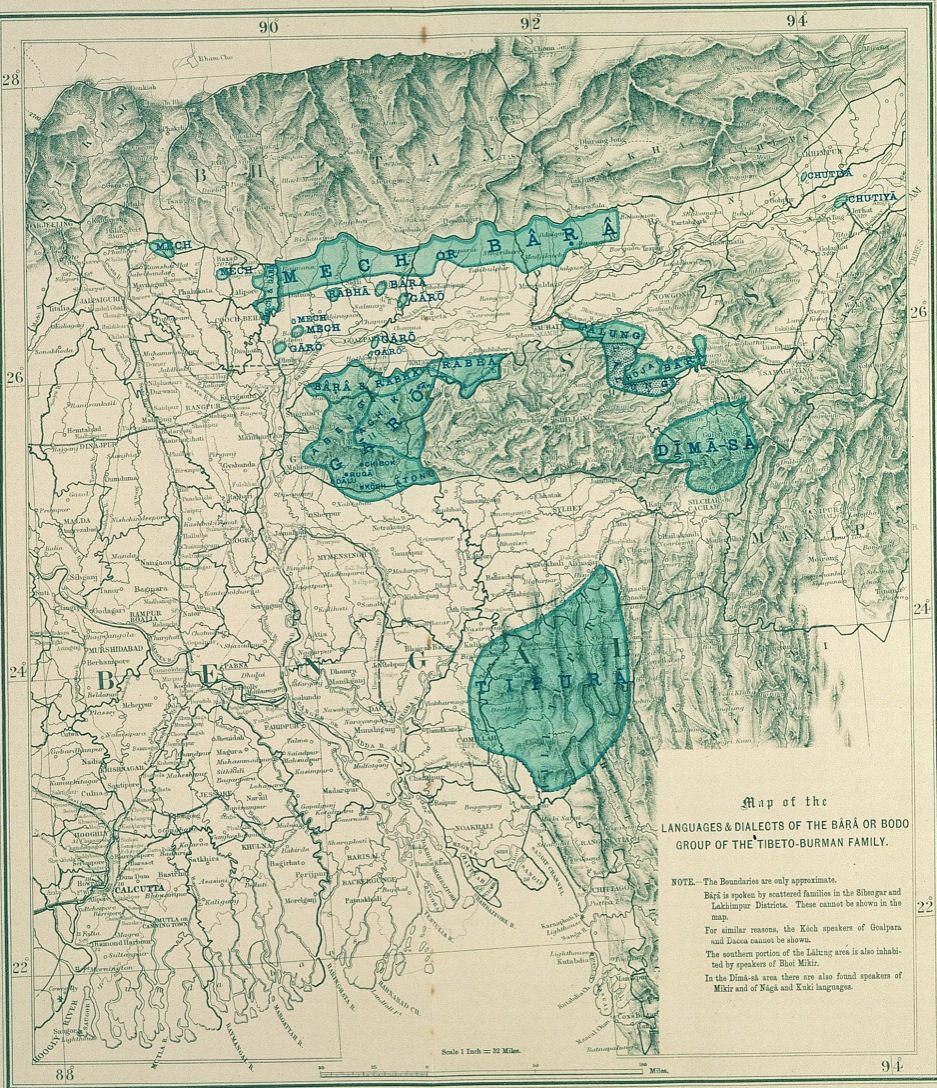
The Boro, commonly spelled Bodo, are an indigenous ethnolinguistic community concentrated in the Brahmaputra valley and adjoining areas of northeastern India, especially in the state of Assam. They belong to the larger Bodo–Garo branch of Tibeto-Burman languages and are one of the major plains tribes of the region. The community is known for a distinct language, vibrant cultural traditions and a long history of settlement in the area.
Image gallery
6 Images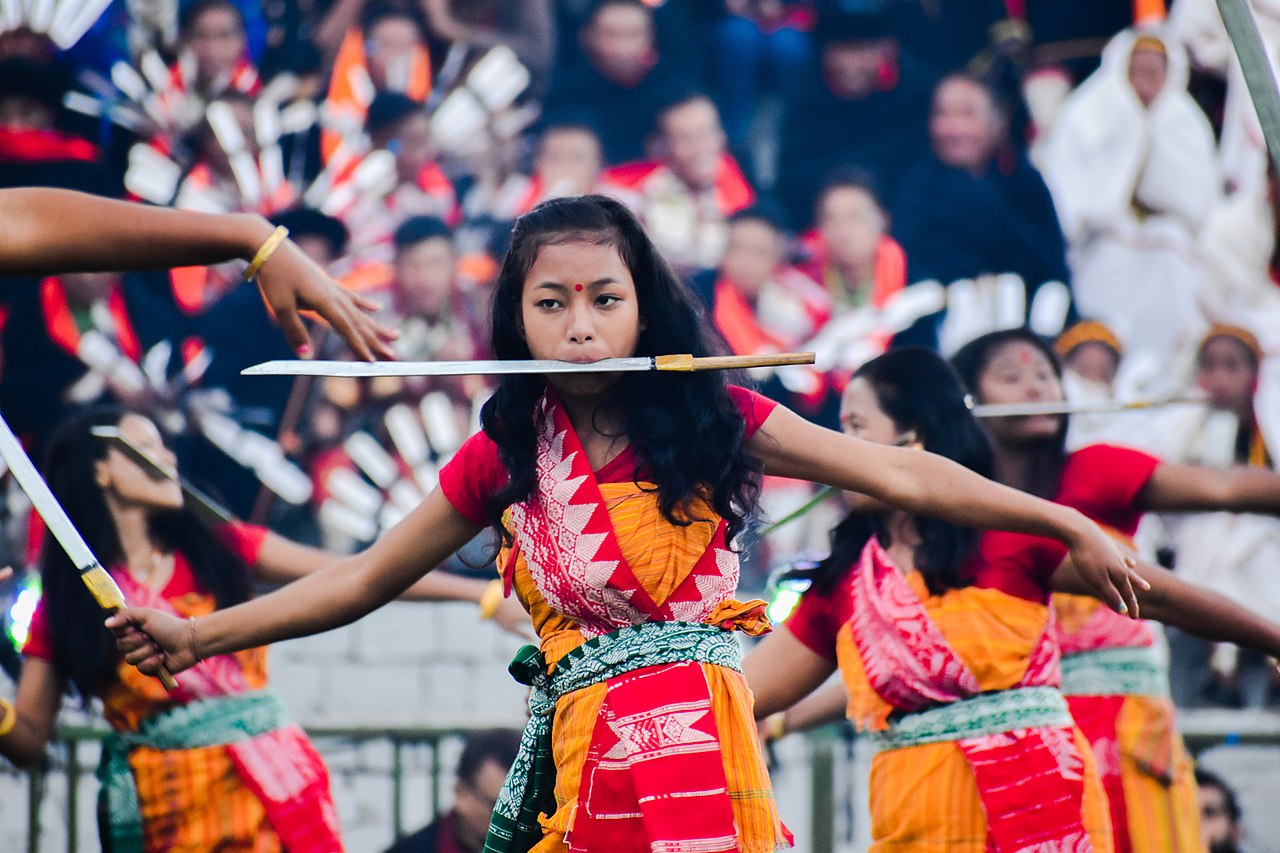




Language and identity
The Boro language is a member of the Bodo–Garo subgroup and plays a central role in ethnic identity. It has literary traditions and is taught in local schools; it is also officially recognized in India’s list of scheduled languages. Written forms have used different scripts over time, and contemporary education and publishing most commonly employ Devanagari while Roman-script materials also exist.
Culture and customs
Traditional Boro culture includes distinctive music, textile designs and dances. The Bagurumba dance is widely identified with the community and is performed at harvest and social festivities. Important observances include seasonal festivals that celebrate agriculture and community renewal. Social life historically centers on village councils, kinship groups and clan organization.
Religion and beliefs
Religious practice among the Boro ranges from traditional animistic faiths to Hindu and Christian affiliations. A traditional faith often referred to as Bathou emphasizes nature worship and community rituals associated with cultivation, rivers and forest life. Over time many Boro have adopted forms of Hinduism or Christianity while retaining elements of indigenous belief.
History and modern developments
The Boro people trace their roots to Tibeto-Burman migrations into the northeastern plains. Over centuries they became settled agriculturalists in the region now called Assam. In recent decades political movements have sought greater autonomy and recognition of Boro rights and identity. These efforts led to administrative arrangements intended to give the community local control over land, development and cultural affairs.
Economy and contemporary life
Agriculture remains the economic backbone for many Boro families, with rice cultivation, fishing and small-scale crafts common. Urban migration, education and media have expanded professional opportunities and helped promote Boro language literature, cinema and public discourse. The community continues to balance tradition with engagement in wider regional and national life.
Notable distinctions
- Ethnolinguistic group: part of the Bodo–Garo family within the Tibeto-Burman languages.
- Cultural markers: Bagurumba dance, traditional textiles and seasonal festivals.
- Political recognition: institutional arrangements exist to address autonomy and development aspirations.
For readers seeking further information on the region where many Boro live, see resources about Assam and northeastern India.
Related articles
Author
AlegsaOnline.com Boro people: an overview of the Bodo community of Assam Leandro Alegsa
URL: https://en.alegsaonline.com/art/12607