
USA Today — overview, history, format, and influence
USA Today is an American national daily newspaper known for concise reporting, colorful design, a national focus, and a prominent print and digital presence since its 1982 founding.
USA Today is an American national daily newspaper launched in 1982. It was created to deliver a broadly accessible, nationwide newspaper that combines concise text with strong visual presentation. The title is owned by a major U.S. media group and publishes in print and online, aiming at readers who prefer quick, graphic-rich summaries of national and international news. For more information about the publication itself see USA Today.
Image gallery
3 Images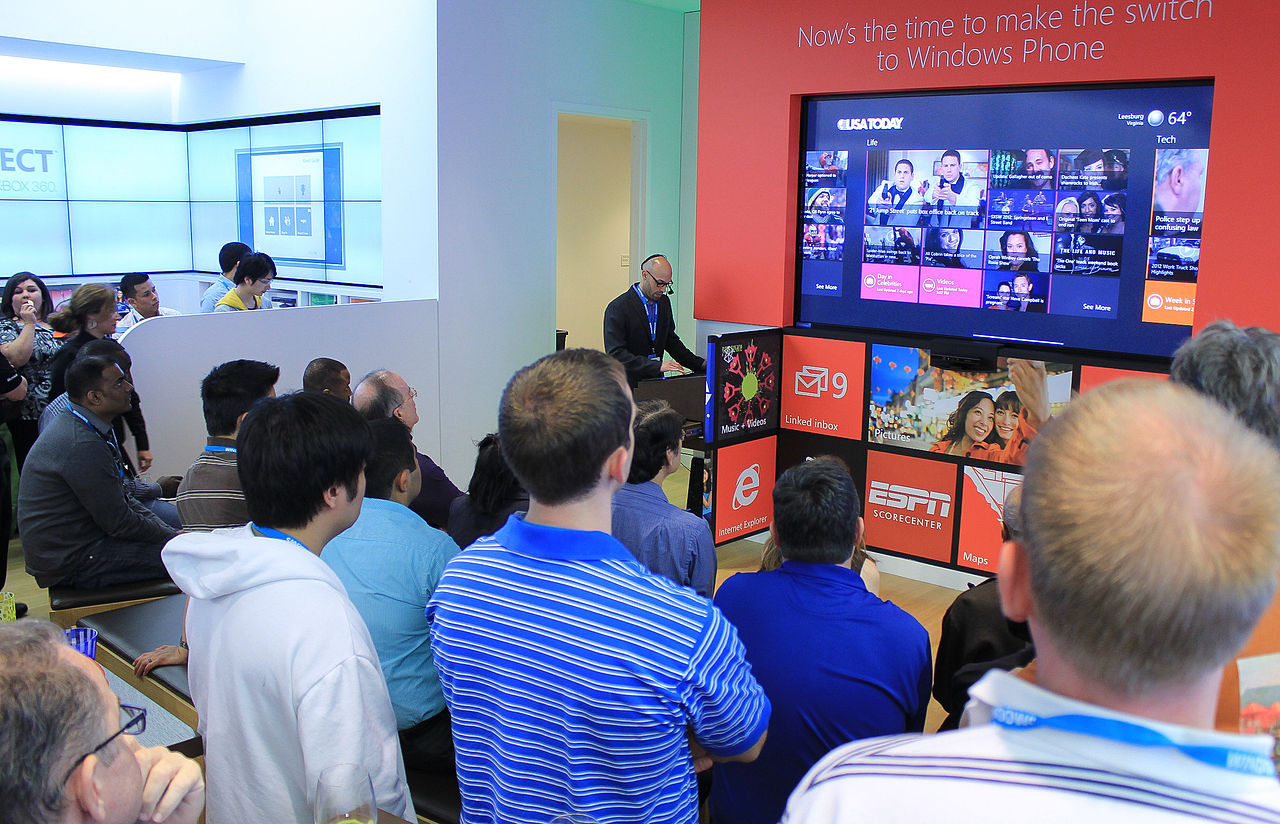


Format and editorial characteristics
From its start the paper emphasized a modular layout: short articles, bold headlines, frequent use of color, charts and photographs. This approach contrasts with denser broadsheet presentation and emphasizes readability for commuters and busy readers. The paper organizes its material into national sections—news, sports, business, lifestyle and opinion—designed to be portable and easy to scan. Its visual style and accessible copy led some observers to compare it to tabloid-style design, while others describe the format as a modern, diagram-driven approach to national coverage.
History and ownership
USA Today was founded by media executive Al Neuharth and published its first edition in 1982. It was created as a national paper rather than a local daily, aiming to reach readers across multiple regions with a consistent editorial voice. Over the decades the title has been part of larger corporate structures and has worked with broadcast and digital partners to extend its reach. The newspaper has also been associated with related television and online news projects that share the same brand and reporting resources.
Circulation, audience and reach
The paper has been among the most widely read daily newspapers in the United States. At various points in its history weekday print circulation reached into the millions, and the paper has been listed among the highest-selling titles internationally. Comparisons sometimes note publications such as The Times of India when discussing global print volume. The paper's national orientation helps attract readers across many states rather than concentrating on a single metropolitan area, a contrast with traditional regional newspapers such as The New York Times or the Wall Street Journal, which have different editorial and design traditions and differing circulation patterns referenced by commentators on national newspapers.
Digital presence and related media
Alongside its print edition, the newspaper developed a substantial online operation and mobile apps to reach readers who consume news digitally. The brand also extended into syndicated television segments and multiplatform newsletters, enabling cross-promotion across broadcast and digital outlets. Its digital channels publish multimedia reporting, interactive graphics and video, and the organization participates in national opinion polls and election-related surveys; its pre-election polling and election coverage are often cited in media analyses of campaign trends (pre-election polls).
Reception, influence and criticisms
USA Today is credited with shaping how national news can be presented succinctly and visually, influencing other outlets to invest more in graphics and clear organization. Supporters praise its broad reach and ability to synthesize national stories for busy readers. Critics argue that the emphasis on brevity and visuals can oversimplify complex issues. Despite such debate, the title remains a significant part of the American news ecosystem, noted for its distinctive design, national distribution, and role in making news more immediately accessible to a wide audience.
- Founding year: 1982; founder: Al Neuharth.
- Known for colorful layout and short-format stories; see commentary on tabloid comparisons.
- Discussed in circulation comparisons that include The Times of India and assessments of readership.
- Associated resources and corporate pages: official site, corporate references at national newspapers pages.
Related articles
Author
AlegsaOnline.com USA Today — overview, history, format, and influence Leandro Alegsa
URL: https://en.alegsaonline.com/art/103653
Sources
- usatoday.com : usatoday.com/