
Tin(II) oxide (stannous oxide)
Tin(II) oxide (SnO) is a compound of tin in the +2 oxidation state. It is an amphoteric, p-type semiconducting oxide used in glass, ceramics and as a precursor to tin salts.
Tin(II) oxide, commonly called stannous oxide, is an inorganic compound with formula SnO. It contains tin in the +2 oxidation state and oxide anions; it is often discussed as a simple binary oxide of tin. For introductory descriptions see chemical compound and for basic elemental context see tin. The concept of an oxidation state is important to understanding its chemistry, and the term oxide identifies its oxygen-containing character.
Image gallery
4 Images

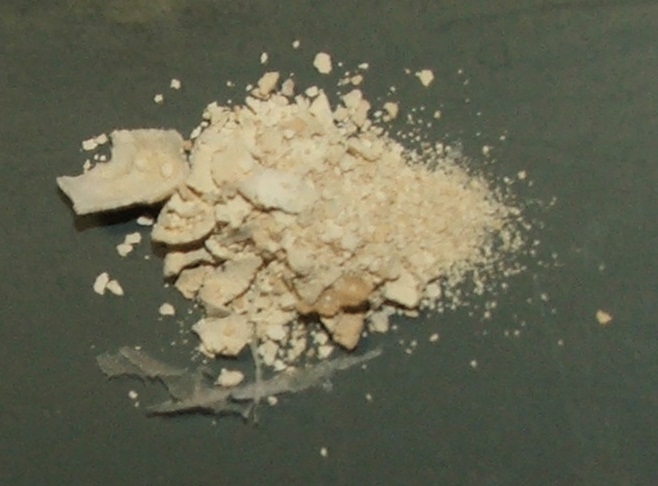

Characteristics and structure
SnO is typically found as a crystalline solid that can appear dark or light depending on preparation and particle size. It behaves as a p-type semiconductor in many forms because of defects and vacancies in its crystal lattice. Chemically it is amphoteric: it reacts with acids to give tin(II) salts and will also interact with strongly basic media to form complex tin(II) hydroxy species. Under certain conditions the oxide can undergo redox changes, converting to metallic tin or to the more oxidized tin(IV) oxide.
Preparation and reactivity
Laboratory preparation commonly derives from controlled partial reduction of tin(IV) oxide or by precipitation from soluble tin(II) salts followed by careful drying. On heating or under oxidizing conditions SnO may disproportionate or be converted to tin metal and tin(IV) oxide; handling under appropriate atmospheres is therefore important for consistent results. Its reactivity with acids and bases makes it a convenient intermediate for producing a variety of tin(II) compounds used in synthesis and industry.
Uses and importance
Although less widely known than tin(IV) oxide, tin(II) oxide has several practical roles. It is used in ceramic glazes and glass formulations to modify color and optical properties, and as a precursor to other tin chemicals in electroplating and catalytic preparations. Its semiconducting behavior has attracted research interest for sensors and thin-film electronic applications, though many commercial uses rely on its role as a chemical intermediate rather than as a bulk material.
History and notable points
The name stannous oxide comes from the traditional nomenclature for tin(II) compounds. Tin oxides in general have been recognized since antiquity through tin production and oxidation; distinct study of SnO as a discrete compound followed developments in inorganic chemistry that clarified oxidation states and oxide structures. While SnO is not a major mined mineral, it can occur naturally in limited settings and is most commonly produced and handled in industrial or laboratory environments.
- Overview: simple binary oxide of tin (SnO).
- Properties: amphoteric, p-type semiconducting behavior, chemically reactive with acids and bases.
- Applications: ceramics, glass, precursors for tin salts, research into sensors.
Related articles
Author
AlegsaOnline.com Tin(II) oxide (stannous oxide) Leandro Alegsa
URL: https://en.alegsaonline.com/art/100018