
Toltec: Mesoamerican culture, archaeological site, and legend
Toltec refers to a Mesoamerican cultural tradition centered at Tula and to a legendary people in later Aztec accounts; the term is used in several different scholarly senses.
Overview
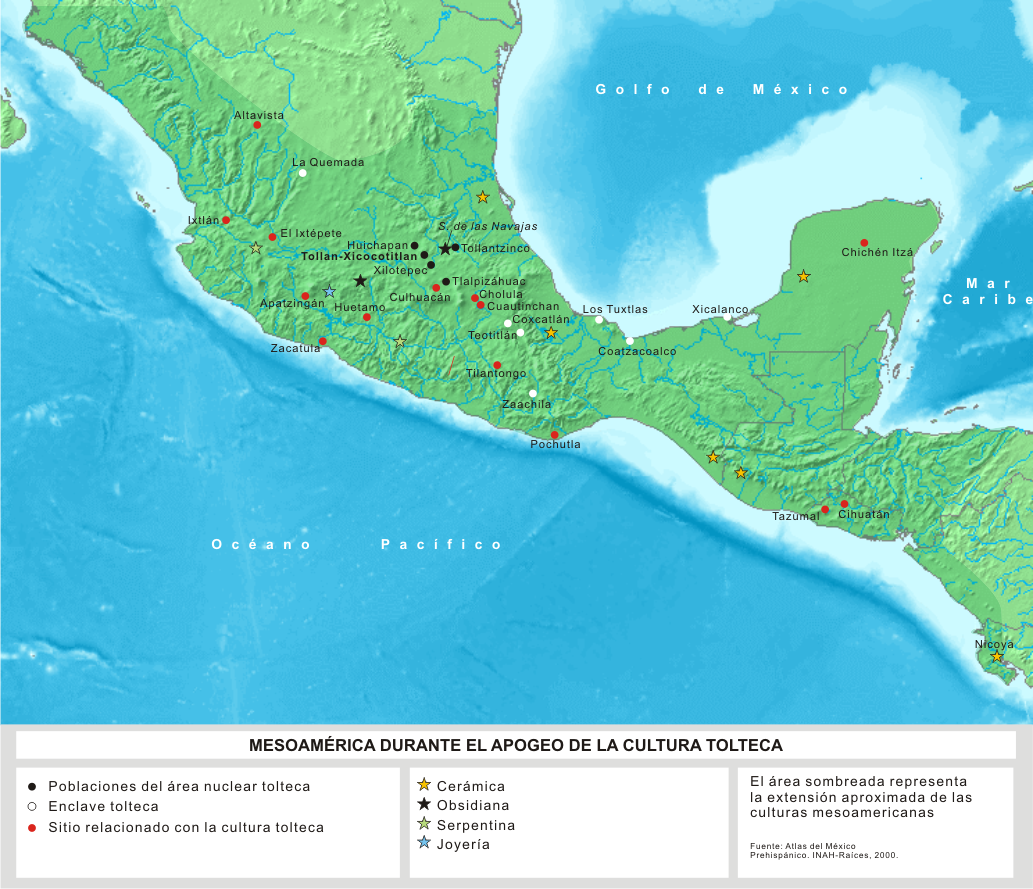
The word Toltec is applied in more than one way by historians and archaeologists. It can denote an identifiable archaeological culture centered on the site of Tula (often called Tollan) in what is now central Mexico; it can also refer to a broader cultural influence or horizon found across parts of Mesoamerica. In addition, Toltecs appear in later Aztec stories as a prestigious and sometimes semi-mythical people whose memory shaped political and religious ideals.
Image gallery
10 Images




Archaeological characteristics
Excavations at Tula (in the modern state of Hidalgo) reveal an urban center with monumental architecture, including pyramids, ballcourts, colonnaded halls and large carved stone figures. Distinctive features associated with the archaeological Toltec tradition include warrior sculptures (often called "Atlantean" figures), chacmools (reclining offering stones), and a style of carved reliefs and ceramics. Radiocarbon dates and stratigraphy generally place the main occupation of Tula between the late first and the middle of the second millennium CE.
History and development
Scholars typically date the florescence of the Tula site to the period after the decline of earlier central Mexican cities, though precise chronologies and cultural connections remain debated. Tula appears to have been politically influential in its region for a few centuries before experiencing decline and abandonment. Its material culture shows both local development and contacts with other Mesoamerican centers.
Myth, Aztec memory, and later identity
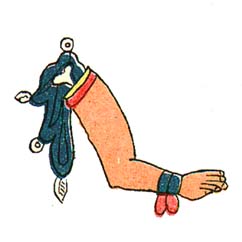
In Aztec chronicles and oral tradition, Toltecs are often portrayed as exemplary priests, artisans and rulers; figures such as Topiltzin Ce Acatl Quetzalcoatl appear in these narratives. Because the Aztecs regarded themselves as heirs to Toltec learning and prestige, the term took on symbolic weight and was sometimes used to describe a civilized, refined past. That legendary Toltec identity is shaped by ideology and story-telling as much as by archaeological fact.
Scholarly debate and usage
Modern scholars distinguish between at least three senses of "Toltec": the archaeological culture associated with Tula; a broader Toltec horizon of artistic and ideological influence; and the Toltecs of ethnohistoric sources. Not all researchers agree on the extent to which the legendary narratives describe historical events or single peoples. Careful study treats the different meanings separately and evaluates archaeological, linguistic and documentary evidence together.
Importance and notable facts
- The Toltec label has been influential in shaping later Mesoamerican political myths and claims to legitimacy.
- Tula's monumental sculptures and architectural forms were widely admired and emulated.
- Understanding Toltec culture helps illuminate the transitions among major central Mexican societies before the rise of the Aztecs.
For summaries and primary-source discussions consult specialist literature and accessible overviews that discuss both the archaeological site and the complex tradition of Toltec memory and myth. See also studies contrasting material evidence with the Aztec textual tradition for a fuller picture of how the Toltec past was used and remembered after the arrival of Europeans such as Christopher Columbus.
Related articles
Author
AlegsaOnline.com Toltec: Mesoamerican culture, archaeological site, and legend Leandro Alegsa
URL: https://en.alegsaonline.com/art/100359
Sources
- anthro.amnh.org : click here