
Tosa Province — historical province of Japan (now Kōchi Prefecture)
Tosa Province was a historical Japanese province on Shikoku, covering the area of modern Kōchi Prefecture. It played a notable role in feudal Japan and the Meiji Restoration and is remembered for its geography and culture.
Overview
Tosa Province (also known historically as Doshū) was one of Japan’s traditional provinces located on the island of Shikoku. Its territory corresponds largely to today’s Kōchi Prefecture. The province existed under the old ritsuryō administrative system and continued as a recognizable regional unit through the medieval and early modern periods. The ancient provincial capital was situated near what is now the city of Nankoku.
Image gallery
7 Images



Geography and economy
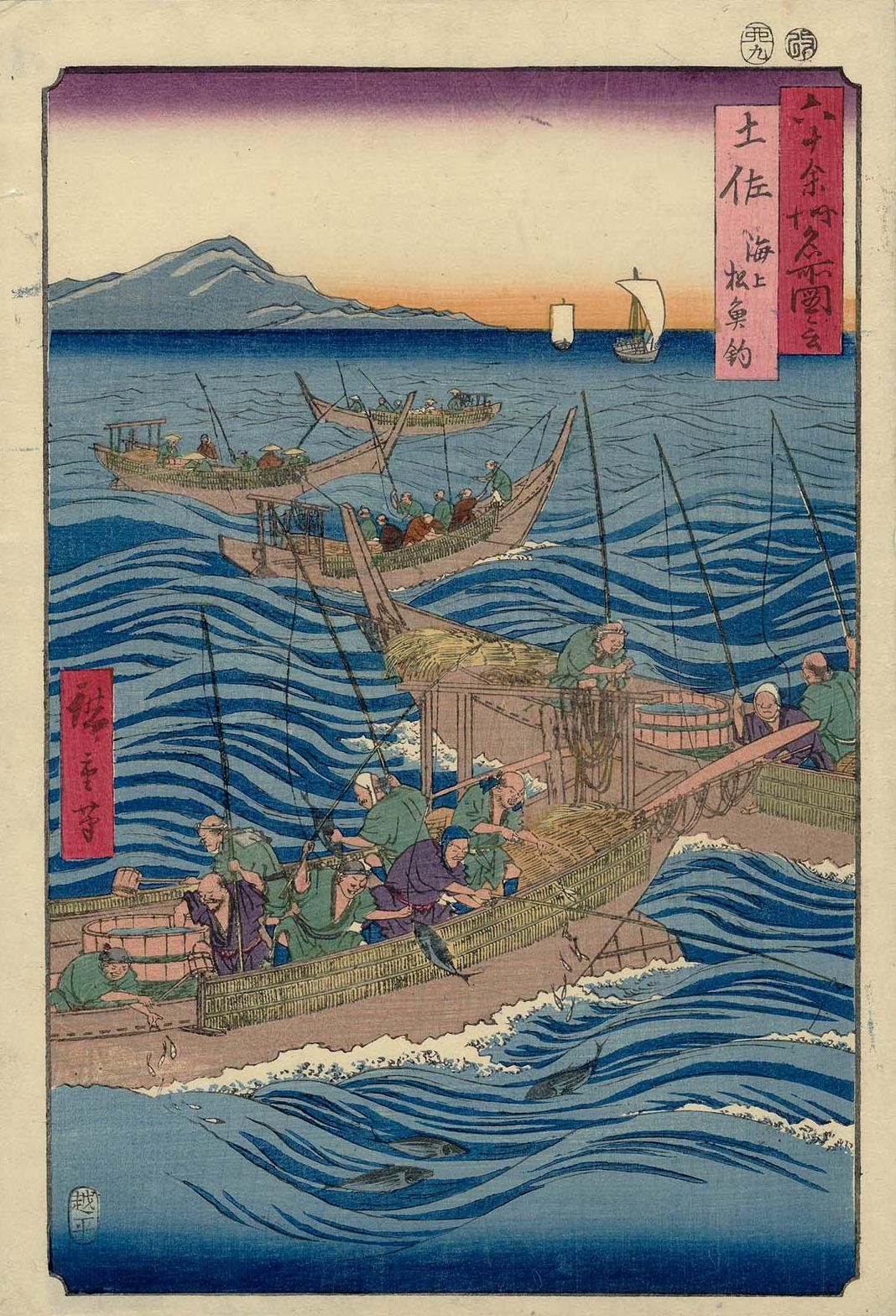
Tosa occupied the southern and central portion of Shikoku and faced the Pacific Ocean, giving it a long coastline and a temperate maritime climate. Inland, the land becomes mountainous; steep rivers cut through the terrain to the sea. Those rivers and coastal waters supported fisheries that were important to local diets and trade. Forestry, upland agriculture, and coastal fishing together formed the traditional economic base of the province.
History and development
Under the provincial system established in classical Japan, Tosa functioned as an administrative and military district. During the feudal era the province came under the control of powerful local lords. In the early modern period, under Tokugawa rule, the domain that governed the area is commonly called the Tosa Domain: it was administered from Kōchi Castle by the ruling clan and served as the region’s political center. Like other provinces, Tosa’s formal identity was transformed during the Meiji-era abolition of the han system and the establishment of prefectures, when the old provincial boundaries were reorganized into the present prefectural map.
Notable people and cultural legacy
Tosa is often remembered for its contribution of prominent figures to late-Edo and Meiji political change. Samurai from Tosa were active in national politics and reform movements that led to the Meiji Restoration; among the best-known is Sakamoto Ryōma, who helped mediate alliances that reshaped modern Japan. The region also preserves distinct local culture: dialectal speech forms, regional cuisine such as seared bonito, and historic sites like Kōchi Castle remain important symbols of Tosa’s past.
Borders, names and notable sites
The province shared its interior boundaries with neighboring provinces; historical records note its borders with Iyo Province to the northwest and Awa Province to the northeast. Today the name survives in place names, cultural references and scholarly discussion of Japan’s premodern geography. Key sites associated with Tosa include the ruins and reconstructions of administrative centers near Nankoku and the surviving castle and historical precincts in Kōchi city.
- Historic capital: near modern Nankoku
- Modern equivalent: Kōchi Prefecture
- Notable figure: Sakamoto Ryōma and other Tosa samurai
- Heritage sites: Kōchi Castle and regional cultural practices
Related articles
Author
AlegsaOnline.com Tosa Province — historical province of Japan (now Kōchi Prefecture) Leandro Alegsa
URL: https://en.alegsaonline.com/art/100786
Sources
- books.google.com : "Tosa"
- books.google.com : "Provinces and prefectures"
- eos.kokugakuin.ac.jp : "Nationwide List of Ichinomiya," p. 3