
Charlie Parker: Alto Saxophonist and Architect of Bebop
Charlie 'Bird' Parker (1920–1955) was an American alto saxophonist whose fast, harmonically advanced improvisations helped shape bebop and modern jazz. He remains a central influence on jazz musicians worldwide.
Charlie Parker (born August 29 1920 in Kansas City, Missouri — died March 12 1955 in New York City) was an American alto saxophonist widely known by the nicknames "Bird" and "Yardbird." He is regarded as one of the most important figures in twentieth‑century jazz and as a key pioneer of bebop. As a leading saxophonist in the 1940s and early 1950s, Parker set new standards of speed, harmonic daring, and melodic invention in jazz.
Image gallery
10 Images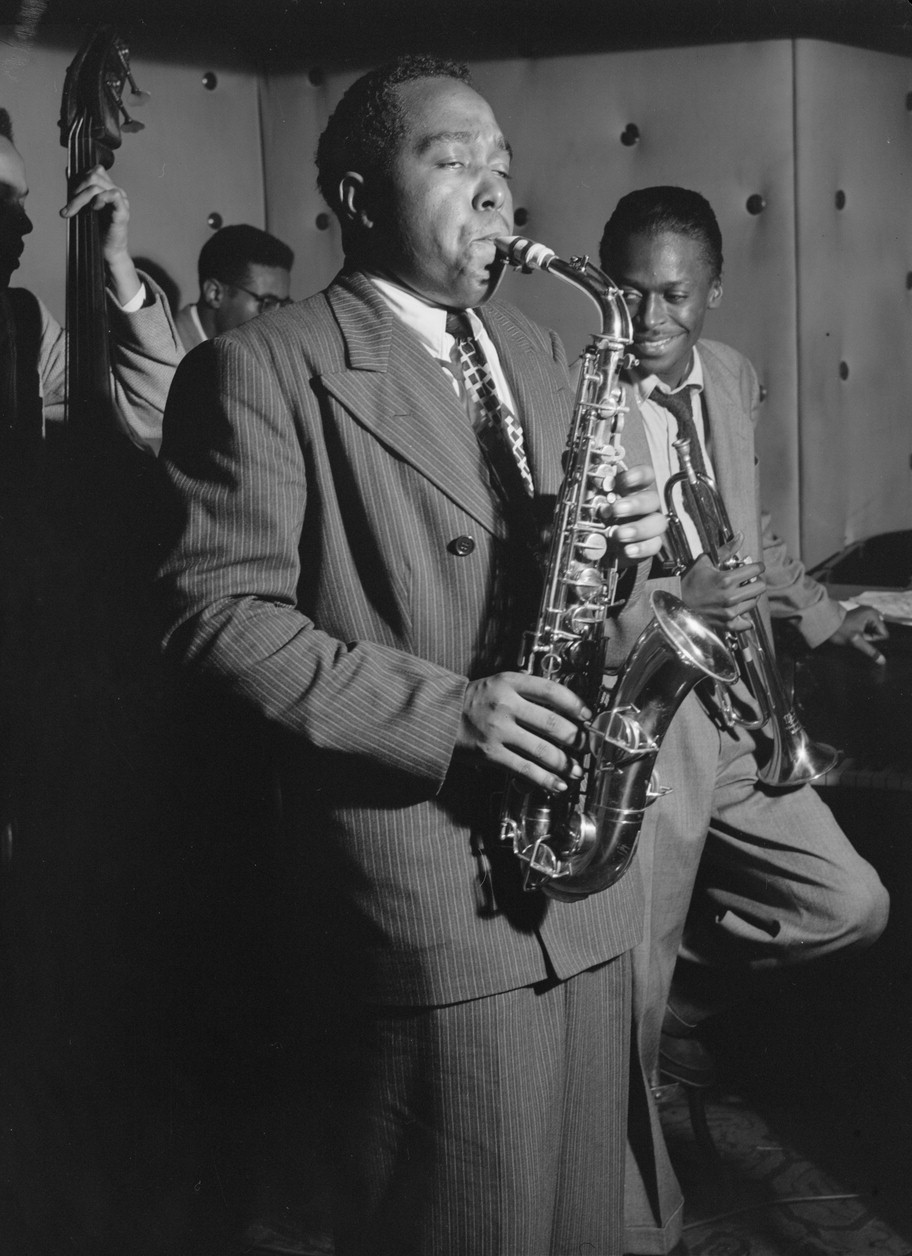




Musical characteristics
Parker's sound combined a bright, incisive alto tone with rapid, intricately shaped lines. He favored advanced chord substitutions, unexpected note choices, and rhythmic displacement that challenged conventional swing-era phrasing. His improvisations often navigated complex changes with a sense of logic and phrasing that made novel harmonic moves sound inevitable. These qualities helped define the vocabulary of modern jazz soloing and remain studied by improvisers today.
Career and development
Raised in a rich musical environment, Parker emerged from the Kansas City scene before relocating to larger jazz hubs. In New York he collaborated with a small group of like-minded musicians and composers, developing the faster tempos, condensed forms, and intricate improvisational approaches that came to be identified with bebop. He recorded many influential sessions and performed with notable contemporaries, shaping a new direction for jazz ensemble playing and solo performance.
Legacy and notable works
Parker's influence outlasted his life: subsequent generations cite him as a primary model for phrasing, harmonic imagination, and technical command. Some of his better-known pieces and recordings (often studied and reinterpreted) include compositions that remain staples of jazz education and performance. His approach also helped expand the role of the soloist in ensembles and contributed to jazz's transition from popular dance music to an art-music idiom.
Personal life and end of life
Despite professional acclaim, Parker struggled with health and substance abuse throughout his career. These long-term difficulties contributed to declining health in his thirties. He died at age thirty-four from complications that have been described as including cirrhosis, internal bleeding, and pneumonia, following a fatal cardiac event. His premature death added to the mythic aura that surrounds many influential artists who die young.
Notable facts and distinctions
- Often called "Bird" or "Yardbird," nicknames that entered jazz lore and popular culture.
- Considered a central architect of bebop, a style that reshaped jazz after the swing era.
- Renowned as an alto saxophonist whose innovations influenced horn players across genres.
- His recordings and transcriptions remain essential study material for jazz students and musicians.
Parker's life and music continue to be the subject of biographies, recordings, and academic study. For those seeking further reading or recordings, archival materials and curated collections offer extensive access to his work and context within 20th‑century music history. More resources are available via general music and jazz research portals and institutional collections. More on his birth and early years, timelines, and regional influences can provide helpful background; additional entries explore his style (jazz context), instrument focus (saxophone), and the development of bebop. For biographies, recordings, and analyses, consult library catalogs and music archives referenced by scholars and institutions. Death and legacy are documented in many retrospective studies and musical histories, and materials about his final years are available through curated collections (1955, New York resources).
Related articles
Author
AlegsaOnline.com Charlie Parker: Alto Saxophonist and Architect of Bebop Leandro Alegsa
URL: https://en.alegsaonline.com/art/18809