
Dizzy Gillespie
American jazz trumpeter, bandleader and composer who helped create bebop and Afro-Cuban jazz; noted for virtuosic technique, distinctive sound, and lasting influence on 20th‑century music.
Overview
John Birks "Dizzy" Gillespie (October 21, 1917 – January 6, 1993) was a leading figure in 20th‑century jazz. He came to prominence as a virtuosic trumpeter and became equally well known as a bandleader, singer and composer. Gillespie combined technical command of his instrument with a playful stage presence and an inventive approach to harmony and rhythm that helped reshape modern jazz.
Image gallery
10 Images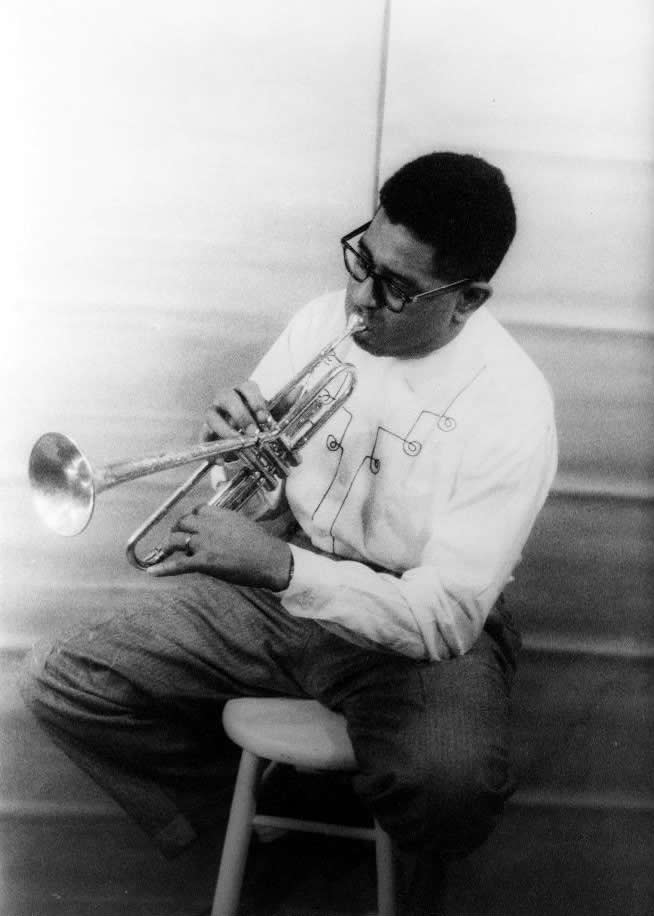

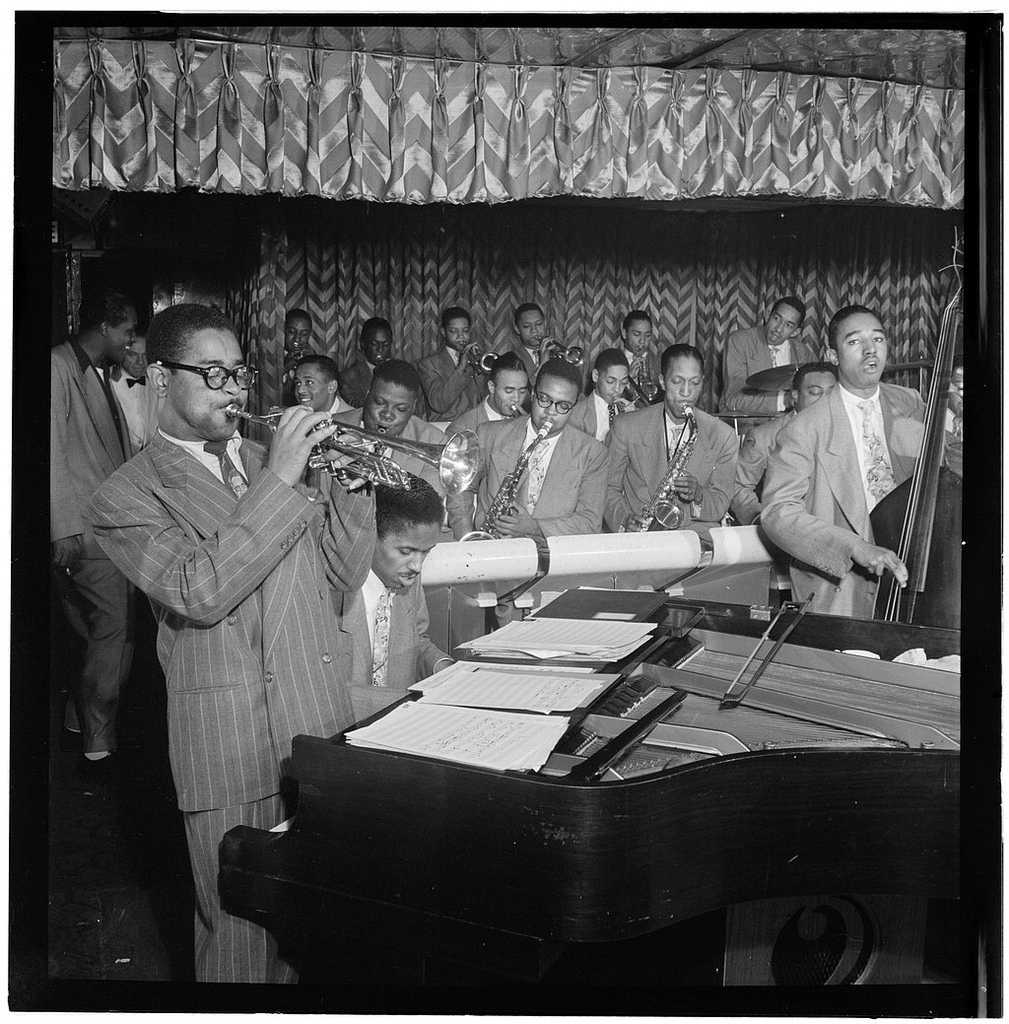


Musical style and innovations
Gillespie was instrumental to the rise of bebop, a style marked by fast tempos, complex chords and improvisation over extended harmonic changes. His sound was distinctive: a bright, piercing tone and the frequent use of large intervallic leaps. He also favored a bent trumpet bell and puffed‑cheek embouchure during performance, physical traits that became part of his public image. Gillespie pushed brass technique forward and encouraged rhythmic liberty and harmonic exploration among his peers and students.
Career, collaborations and Afro‑Cuban influences
Emerging from the swing era, Gillespie worked alongside contemporaries who were redefining the music, most notably Charlie Parker. In the late 1940s he broadened jazz's rhythmic palette by incorporating Afro‑Cuban elements, collaborating with percussionists such as Chano Pozo and popularizing blended textures that led to what is often called Afro‑Cuban jazz. Throughout his career he led small groups and big bands, toured widely, and served as a cultural ambassador on international tours sponsored by the U.S. State Department.
Notable compositions and recordings
- "A Night in Tunisia" — a signature tune that mixes exotic harmony with Afro‑Cuban rhythm (recordings and live performances made it a jazz standard).
- "Salt Peanuts" — a playful bebop anthem co‑credited with youthful energy and rhythmic drive.
- "Groovin' High" — an early example of bebop arranged for small groups and later big bands.
Legacy, teaching and later life
Beyond recordings, Gillespie was an influential educator and mentor who welcomed younger musicians into his bands and workshops. He helped institutionalize bebop as part of the jazz canon and opened pathways between North American and Afro‑Latin musical traditions. His charisma made him a popular figure on radio, television and in live performance. Gillespie was a member of the Bahá'í Faith and requested a Bahá'í funeral at his passing; he also had a public memorial at the Cathedral of St. John the Divine in New York. He died of pancreatic cancer on January 6, 1993, leaving a broad artistic influence on generations of players.
Notable facts and distinctions
- Widely credited, with others, for turning American swing into modern jazz by advancing improvisation and harmonic language.
- Helped popularize Afro‑Cuban rhythms in mainstream jazz and collaborated across cultural lines.
- Maintained a visible public profile as a performer, bandleader and international ambassador for jazz until late in life.
Questions and answers
Q: Who was Dizzy Gillespie?
A: Dizzy Gillespie was an American jazz trumpeter, bandleader, singer, and composer.
Q: How many siblings did Gillespie have?
A: Gillespie was the youngest of nine children.
Q: What was Gillespie's father's profession?
A: Gillespie's father was a local bandleader.
Q: At what age did Gillespie start playing the piano?
A: Gillespie started playing the piano at the age of 9.
Q: Why was Gillespie nicknamed "Dizzy"?
A: Gillespie was nicknamed "Dizzy" because of how he acted during performances.
Q: What is Gillespie known for in the world of jazz?
A: Gillespie is known for setting new standards for trumpet players with his innovative rhythmic and harmonic explorations, which moved American jazz from swing to 'bebop'.
Q: How did Gillespie's death affect the jazz community?
A: Gillespie's death was felt deeply by the jazz community, as he was a major figure in the development of modern jazz. He had two funerals, one at his request for his closest friends and colleagues and the other open to the public.
Related articles
Author
AlegsaOnline.com Dizzy Gillespie Leandro Alegsa
URL: https://en.alegsaonline.com/art/117731
Sources
- dizzygillespie.net : Dizzy Gillespie website UR "Early life"
- query.nytimes.com : "Dizzy Gillespie Memorial"