
John Webster: Jacobean dramatist behind The Duchess of Malfi and The White Devil
John Webster (c.1580–1634) was an English Jacobean playwright noted for dark, psychologically intense tragedies such as The Duchess of Malfi and The White Devil.
John Webster was an English dramatist active in the early seventeenth century, best known today for two powerful tragedies, The Duchess of Malfi and The White Devil. His surviving work places him among the major Jacobean tragedians: writers who followed Elizabethan traditions of drama but explored darker, more cynical themes of corruption, revenge and mortality.
Image gallery
1 Image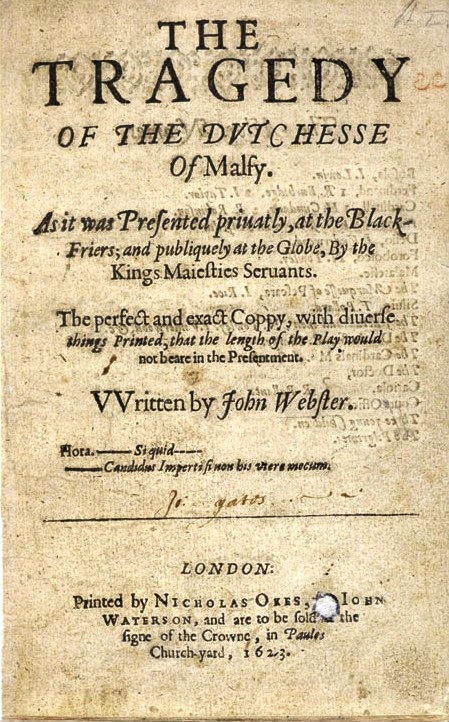
Life and historical context
Relatively little is certain about Webster's private life. He was born around 1580 and died in 1634. Documentary traces are sparse, so scholars reconstruct his career from title pages, company records and style. He wrote for the public theatres of Jacobean England, a period marked by court intrigue, social tension and an appetite for plays that probed power and violence.
Major works
Two plays dominate Webster's reputation. The Duchess of Malfi is admired for its striking heroine, moral complexity and bleak, lyrical passages that examine grief, power and resistance to tyranny. The White Devil (sometimes titled Vittoria Corombona) dramatizes revenge, sexual politics and corruption in an Italian setting, presenting a web of deceit and bloody consequences.
- The Duchess of Malfi
- The White Devil
- Other plays and lost pieces are known only from records or fragments
Style and themes
Webster's writing is typified by intense imagery, concise but ornate verse, and a preoccupation with the physical and psychological consequences of violence. He often uses contrasts of light and darkness, grotesque detail, and bitter irony. His female protagonists, notably the Duchess, are complex and morally commanding, challenging contemporary gender expectations.
Legacy and reception
Contemporary responses to Webster were mixed, but nineteenth- and twentieth-century critics rediscovered the power of his tragedies. Modern productions frequently emphasize the plays' theatricality and moral ambiguity. Scholars study Webster for his contribution to Jacobean drama and for the ways his work bridges Renaissance poetic language and baroque sensibilities.
For an introduction to editions, criticism and production history, see further resources on John Webster.
Related articles
Author
AlegsaOnline.com John Webster: Jacobean dramatist behind The Duchess of Malfi and The White Devil Leandro Alegsa
URL: https://en.alegsaonline.com/art/50853