
Thomas Andrews: Irish Shipbuilder and Designer of the RMS Titanic
Thomas Andrews (1873–1912) was an Irish shipbuilder who led design work at Harland and Wolff and supervised the construction of RMS Titanic; he died while assisting passengers during the ship’s sinking.
Overview
Thomas Andrews (7 February 1873 – 15 April 1912) was an Irish shipbuilder and company official best known for his role in the design and construction supervision of RMS Titanic. Employed by the Belfast shipyard Harland and Wolff, Andrews combined practical shipbuilding experience with technical skill in design and management. He travelled on Titanic as a first-class passenger in a professional capacity to oversee final fittings and to observe the vessel on her maiden voyage.
Image gallery
5 Images


Early life and career
Andrews was born into a prominent family in County Down and received formal education before entering an apprenticeship with Harland and Wolff, one of the largest shipyards of the era. Completing his apprenticeship led to a permanent position at the yard, where he progressed through design and management roles. By the early 1900s he had responsibility for aspects of construction and was involved in designing vessels for the White Star Line and other clients. His work combined an understanding of structural arrangements, passenger accommodation, and the practical needs of a modern ocean liner.
Design work and professional role
As a senior shipbuilder at Harland and Wolff, Andrews contributed to the plans for the Olympic-class liners. In that capacity he helped translate architectural and engineering drawings into completed hulls and interiors, supervising details during building and trials. Colleagues described him as methodical and conscientious: he paid attention to safety features and to the arrangements of watertight bulkheads, pumping systems, lifeboats and passenger facilities. His professional duties brought him to the newly completed Titanic for close inspection before and during her departure on 10 April 1912.
RMS Titanic—maiden voyage and final hours
When Titanic struck an iceberg in the North Atlantic on the night of 14 April 1912, Andrews abandoned his cabin to help assess damage and coordinate emergency responses. Survivors’ testimony describes him moving through first-class areas and crew spaces, explaining the situation to passengers and directing efforts to load lifeboats. Accounts vary about specific actions—some describe Andrews remaining in the first-class smoking room as he gathered himself, others recount him throwing deck chairs into the sea to serve as flotation aids, or helping passengers with lifebelts. He was widely reported to have encouraged women and children into boats and to have refused a place in a lifeboat. His body was never recovered after the ship sank.
Reputation and memorials
Contemporary newspapers and many survivor statements portrayed Andrews as selfless and heroic. He was memorialised in print and later commemorated by institutions and monuments; for example, a public hall bearing his name opened in 1914 to honour his memory. Personal recollections from crew members and passengers, including letters from stewardesses who credited him with urging them to save themselves, helped shape the popular image of Andrews as a figure of duty and calm in a crisis.
In popular culture and notable portrayals
Andrews has appeared in numerous accounts of the Titanic disaster and in dramatic retellings. He is a recurring character in film and literature that explore the ship’s construction and sinking. In James Cameron’s 1997 feature film Titanic, the character of Thomas Andrews is depicted as a thoughtful and anguished engineer who comprehends the severity of the damage; that portrayal was performed by actor Victor Garber. Modern histories continue to examine the balance between individual actions and systemic failures in the disaster, and Andrews’ conduct remains a focal point for discussions of professional responsibility and human responses under extreme duress.
Summary of notable facts
- Birth and family: Born 7 February 1873 in Ireland; came from a well-known local family and received early technical education.
- Career: Longtime employee of Harland and Wolff; advanced from apprentice to senior responsibility overseeing construction work.
- RMS Titanic: Served as a supervising designer and was on board during the liner’s maiden voyage; involved in emergency efforts after the collision.
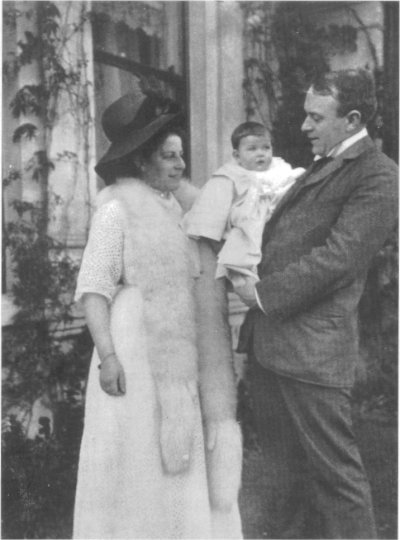
- Personal life: Married and the father of a daughter born in 1908; survivors noted his efforts to help others in the sinking.
- Legacy: Remembered in memorials and cultural portrayals; regarded by many contemporaries as having acted with dedication and courage.
For further reading and archival materials, see specialised histories of Harland and Wolff, technical studies of the Olympic-class liners, and collections of survivor testimony and inquiries into the disaster. Biographical and institutional accounts provide additional context about Andrews’ influence on early 20th-century ship design and on the public memory of the Titanic tragedy. Relevant references include period press coverage and later scholarly assessments that place his life and actions within the wider history of maritime engineering and safety regulation. Additional short references: biographical overview, family and personal notes at family record, accounts of his death and last sightings at sinking reports.
Related articles
Author
AlegsaOnline.com Thomas Andrews: Irish Shipbuilder and Designer of the RMS Titanic Leandro Alegsa
URL: https://en.alegsaonline.com/art/99478