
Theda Bara: silent-era star and cinema’s original “vamp”
Overview of Theda Bara (Theodosia Burr Goodman), an influential American silent-film actress whose vamp persona made her a major star; discusses career, lost films, image and legacy.
Overview
Theda Bara (born Theodosia Burr Goodman, July 29, 1885–April 13, 1955) was an American silent film actress who emerged in the 1910s as one of the motion picture era’s most sensational personalities. Guided by powerful studio publicity and distinctive costumes, she became widely known as a cinematic embodiment of the femme fatale and one of the first screen sex symbols. Much of Bara’s fame rests on publicity stills and contemporary accounts because a large portion of her film work is now lost.
Image gallery
10 Images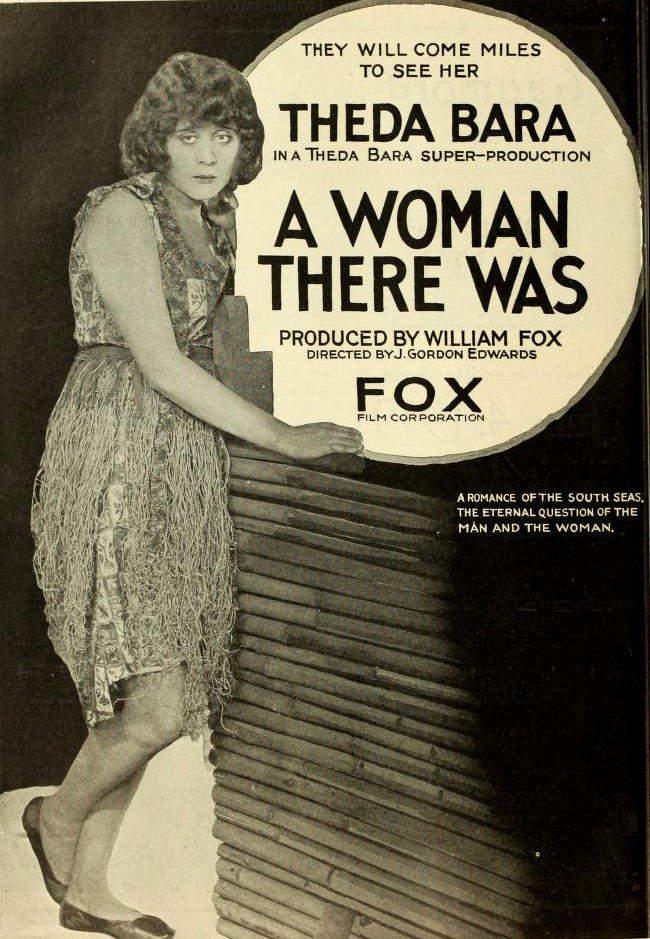




Early life and stage beginnings
Born Theodosia Burr Goodman in Cincinnati, she attended the University of Cincinnati for two years before pursuing a career on the stage. She worked with regional theatrical companies and touring troupes, and in 1908 moved to New York City where she made her Broadway debut. During her New York years she lived with family and colleagues in Manhattan and gained practical experience in roles that led to motion-picture opportunities; she spent time in theatrical circles associated with early American popular entertainment and vaudeville New York City.
Cinematic rise and studio persona
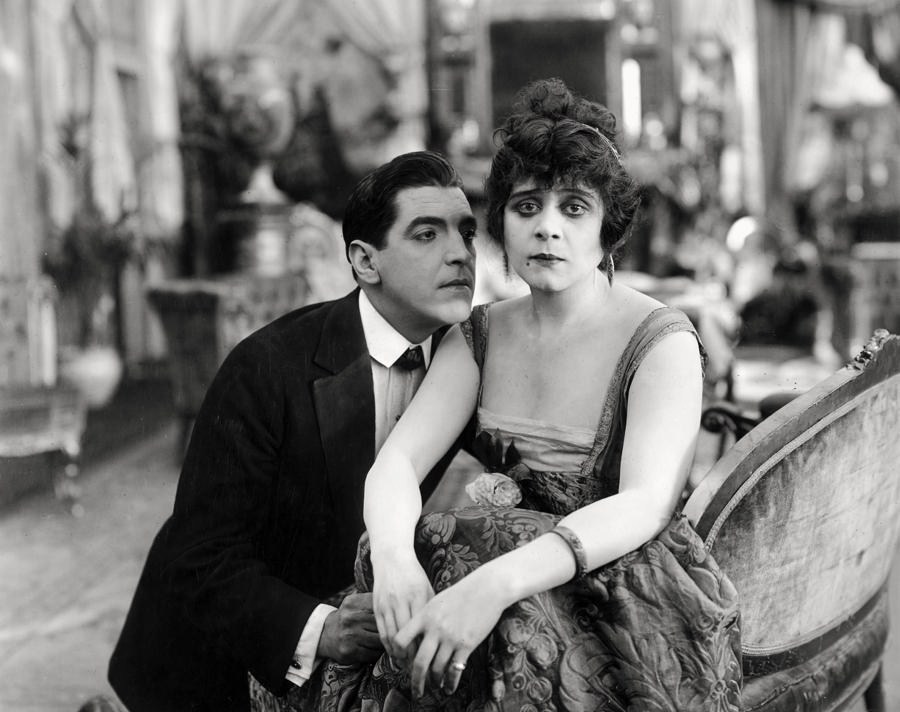
Bara signed with Fox Film Corporation and made many of her early pictures at the studio facilities in Fort Lee, New Jersey. Fox publicity deliberately constructed an exotic, mysterious identity for her: dramatic makeup, elaborate costumes, and rumor-saturated biographies that emphasized foreign ancestry or unusual childhoods. In films she was often cast as a seductive or dangerous woman whose on-screen behavior challenged social norms. Producers relied on that aura to sell posters and magazine coverage as much as to promote the films themselves.
Notable films and surviving material
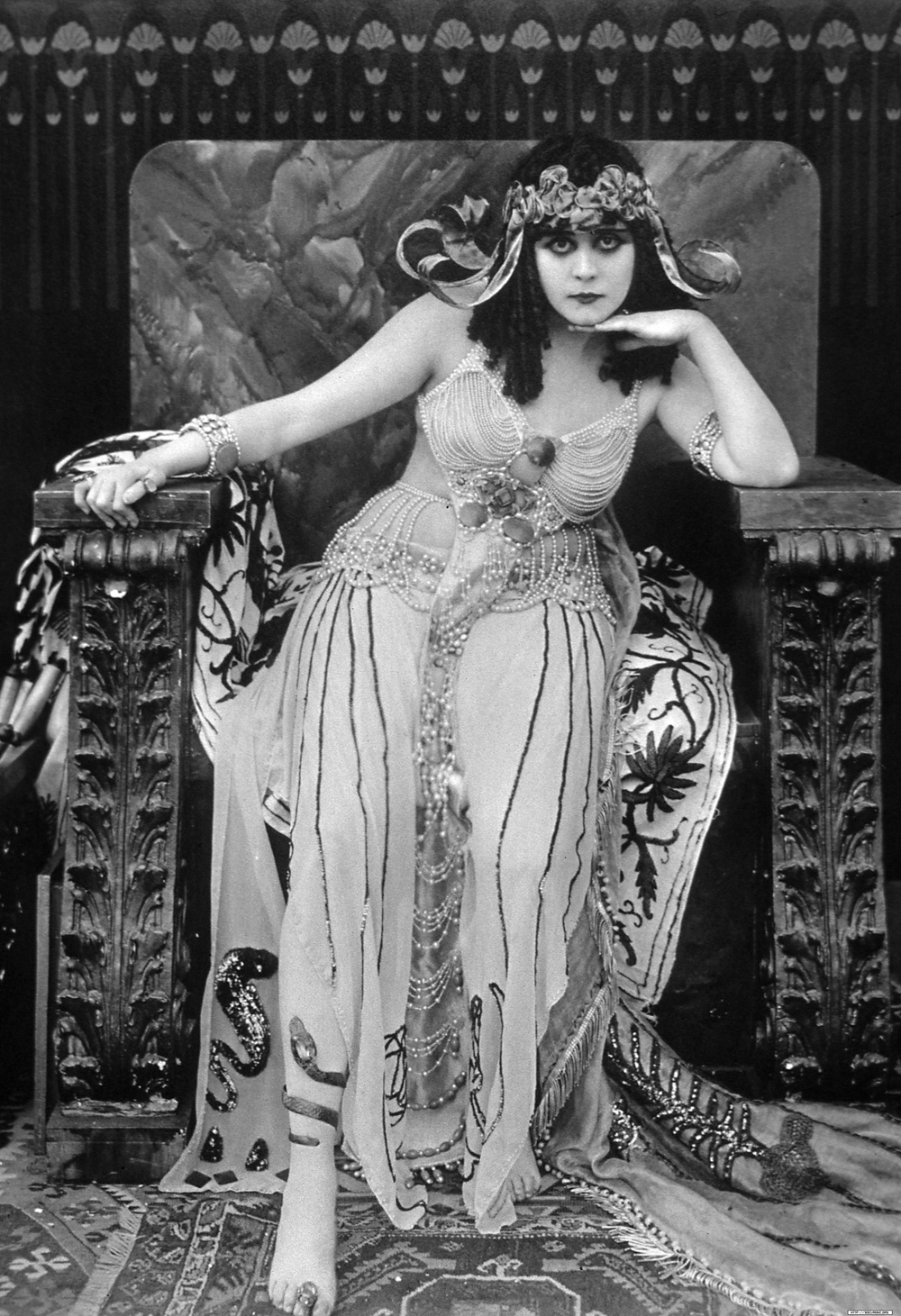
Between about 1914 and 1926 Bara appeared in more than forty films, in both short and feature-length formats typical of the silent era. Her 1917 Cleopatra is among the best-remembered titles, filmed after she traveled to Los Angeles for the production; it was a major publicity vehicle and remains prominent in accounts of her career although no complete print is known to survive. Surviving photographs from that production and others document the elaborate costume work. A number of other titles are cited by historians and archivists:
- The Rose of Blood (1917) — associated image:
- Cleopatra (1917) — associated image:
- A Woman There Was (1919) — associated image:
- The Siren's Song (1919) — associated image:


Lost films and preservation issues
Film historians note that only a small fraction of Bara’s output survives in complete form; many titles were lost to nitrate deterioration, fires, and studio disposition practices. The destruction of original negatives and prints in the silent era was common, and Bara’s catalogue is a widely cited example of how fragile early cinema's documentary record can be. Surviving films, fragments, and publicity stills are therefore especially important for study of her performance style and visual presentation.
Nickname, cultural impact and language
Her screen persona earned her the sobriquet "The Vamp," a contraction of "vampire" that linked the idea of a predatory, alluring woman to melodramatic storytelling. The studio’s persistent emphasis on seduction and danger helped the term enter popular parlance; contemporary readers used the word both to describe Bara’s characters and, more broadly, as slang for a sexually aggressive or alluring woman. The connection to the older folkloric vampire image was largely metaphorical but offered a vivid shorthand for publicity campaigns and reviews of the period.
Personal life and later years
In 1921 Theda Bara married film director Charles Brabin and reduced her professional activity thereafter; by the mid-1920s she had largely left motion-picture work and lived a more private life. She had no children and spent her later years away from the screen. Bara died in Los Angeles in 1955 from stomach cancer, a fact recorded in contemporary obituaries and later biographical summaries stomach cancer.
Legacy and scholarly interest
Film scholars examine Bara’s career for what it reveals about early star-making, marketing, gendered representation, and the circulation of images in mass culture. Her case illustrates how studios could manufacture exotic personas and how visual publicity sometimes outlived the moving images themselves. Modern retrospectives consider her impact on later portrayals of femme fatales in cinema and the continuing interest in silent-era aesthetics and costume design.
Further reading and research
Research into Bara's life and work relies on surviving prints, studio records, contemporary press coverage and photographic archives. For contextual study of the era and the mechanics of publicity, readers consult histories of early American film and Fox studio operations; for primary visual materials some museum and archive collections preserve production stills and promotional ephemera that document Bara’s public image and roles silent film.
Related articles
Author
AlegsaOnline.com Theda Bara: silent-era star and cinema’s original “vamp” Leandro Alegsa
URL: https://en.alegsaonline.com/art/99185