
The Weakest Link (TV quiz show)
British-origin television quiz format in which contestants form answer chains to build prize money and vote out the 'weakest link'; noted for its tactical play and the host's stern persona.
Overview
The Weakest Link is a televised quiz format created by Fintan Coyle and Cathy Dunning and developed for broadcast by the BBC. The programme became widely known in the early 2000s for its blend of general-knowledge questioning, team strategy and elimination voting. Its distinctive structure—contestants cooperate to build a communal prize pot but then vote each other out—produced both tactical gameplay and memorable television moments. The show was exported to many countries and spawned celebrity specials, revivals and local variations.
Image gallery
1 Image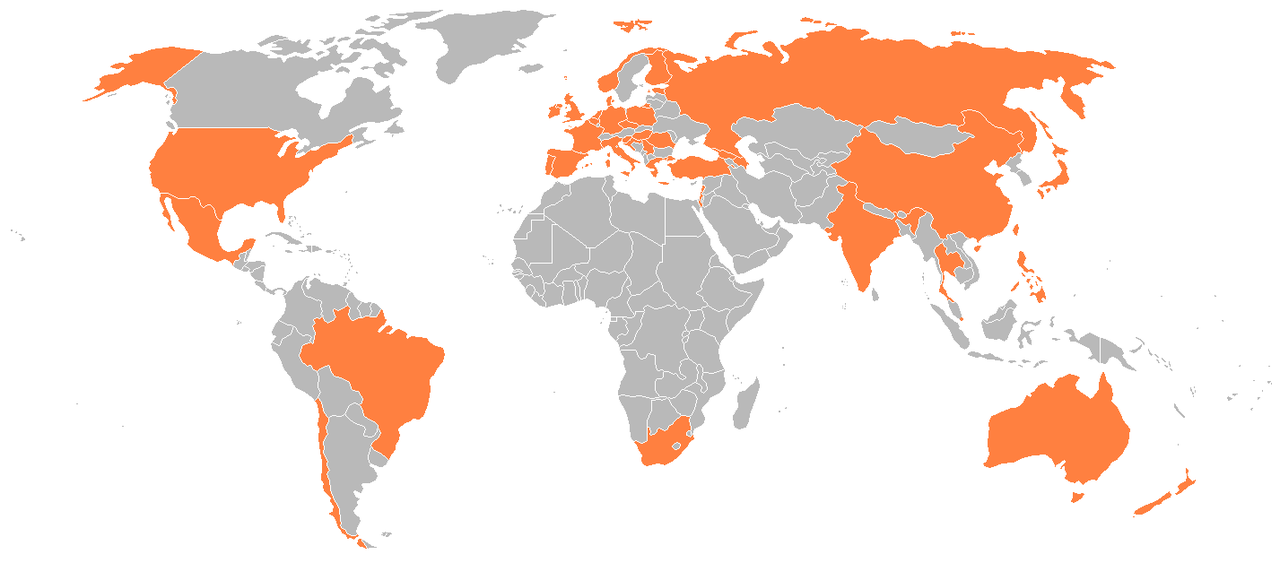
Format and rules
Each episode begins with a group of contestants seated in a row. Gameplay is divided into timed rounds. During a round contestants take turns answering general-knowledge questions in a fixed order; a correct answer extends a running chain and increases the potential amount available for that chain, while an incorrect answer breaks the chain and removes that potential unless it has been "banked." A player may say "bank" before their turn to secure the money accumulated in the current chain into the team pot and reset the chain to zero. At the end of a round, players vote to eliminate one contestant, whom they label the "weakest link." Rounds continue until a final head-to-head match between the last two contestants determines the winner, who takes home the accumulated pot (or a prize set by the local production).
- Chain and banking: consecutive correct answers raise the stakes; banking secures accumulated money but interrupts the chain.
- Voting/elimination: social strategy and perceived performance affect who is voted off each round.
- Final round: a single direct contest between the last two contestants decides the champion.
Origins and development
The format was developed in the United Kingdom and first reached a broad audience in the late 1990s and early 2000s. Its creators designed the game to combine individual general knowledge with group strategy, generating tension from the conflict between cooperation (to build the prize) and competition (to avoid elimination). Producers and broadcasters adapted the core mechanics in many territories, producing prime-time and daytime editions, celebrity specials and one-off charity programmes.
Presentation and notable features
Beyond the rules, The Weakest Link became famous for its presentation style. Many versions used a stern or acerbic host persona to heighten the sense of pressure and drama; the host’s concise, often cutting remarks and the now-famous dismissal line (identifying the eliminated contestant as "the weakest link") were signature elements. The show’s pacing—short, tense rounds, abrupt eliminations and the psychological aspect of voting—made it both an audience favourite and a subject of commentary about game-show dynamics.
Variations, legacy and cultural impact
Local versions of The Weakest Link adapted prize levels, round lengths and presentation tone to suit different audiences. Prize amounts varied widely by country and era, and celebrity editions frequently modified stakes or donated winnings to charities. The format’s success encouraged other producers to explore hybrid games combining teamwork with elimination voting. It also contributed catchphrases and a recognizable structure to the global game-show repertoire and remains a reference point in discussions about competitive cooperation and reality-based elimination formats.
Distinctions and lasting notes
What sets The Weakest Link apart from many quiz shows is the formalized combination of collective reward-building and interpersonal elimination. The banking mechanic introduces a tactical trade-off between risk and safety that rewards both knowledge and timing. Because of the voting element, contestants’ social perceptions and willingness to act strategically are as important as their trivia skills—an aspect that has made the format durable, adaptable and frequently replayed in international television schedules.
Questions and answers
Q: What is The Weakest Link?
A: The Weakest Link is a computer cable television quiz show that aired from November 21, 2001 to December 22, 2002.
Q: Who devised The Weakest Link?
A: The show was devised by Fintan Coyle and Cathy Dunning.
Q: Who hosted The Weakest Link in 2001-2002?
A: The show was hosted by Craig Charles in 2001-2002.
Q: Who hosted The Weakest Link in 2002?
A: The show was hosted by Claudia Winkleman in 2002.
Q: How does The Weakest Link work?
A: The show features a team of contestants who take turns answering general knowledge questions. The goal is to create a chain of consecutive correct answers to earn money for a communal pot within a specific time limit. An incorrect answer breaks the chain and loses all accumulated money up to that point.
Q: How can a contestant save their accumulated money on The Weakest Link?
A: A contestant can say "bank" prior to their question being asked, and the accumulated money is stored in the communal pot.
Q: How much money can contestants win on The Weakest Link?
A: Contestants can win a top amount of 50,000 in 2001-2002 and 100,000 in 2002 by playing a quiz/elimination contest. At the end of each round, each player is voted off as The Weakest Link.
Related articles
Author
AlegsaOnline.com The Weakest Link (TV quiz show) Leandro Alegsa
URL: https://en.alegsaonline.com/art/99094