
Valentine's Day: origins, symbols, customs and modern observance
Valentine's Day, observed on February 14, is a cultural and commercial celebration of romantic love and affection marked by cards, gifts, flowers, and a variety of customs with medieval and religious origins.
Overview
Valentine's Day is celebrated each year on February 14. It is broadly recognized as a day for expressing affection and romantic interest. Common ways people mark the day include giving flowers, chocolates, greeting cards and small gifts, sending love notes called "valentines," or designating a partner as one's "Valentine." The observance ranges from intimate personal gestures to larger public and commercial displays of affection.
Image gallery
10 Images





Symbols and imagery
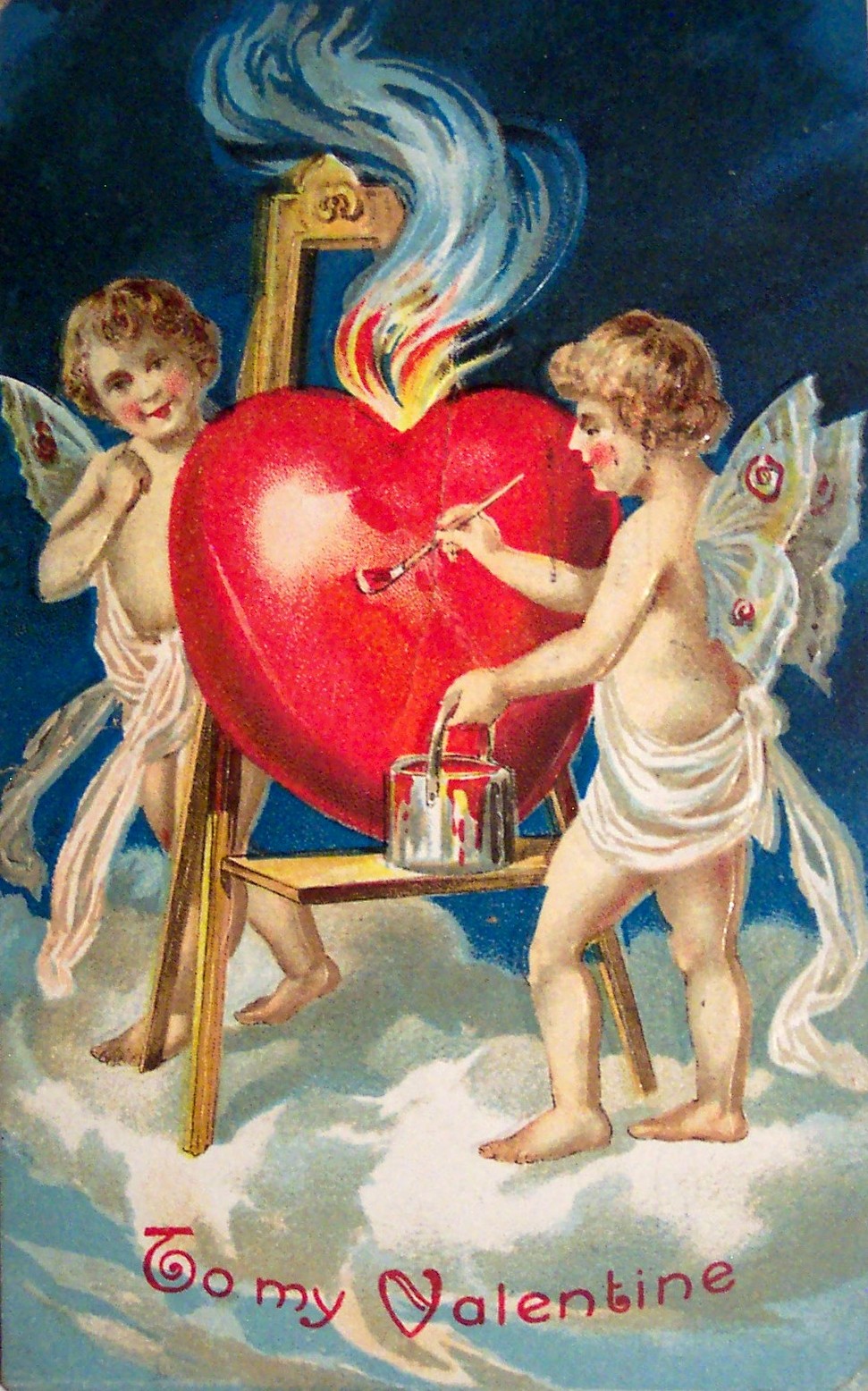
Several visual motifs are associated with the holiday. Typical symbols include the stylized heart, representations of Cupid and his arrows, red and pink roses, lace, and cherubic figures. These images often appear on cards, decorations, confectionery packaging and advertising, and they function as shorthand for romance and affection in popular culture.
Origins and historical development
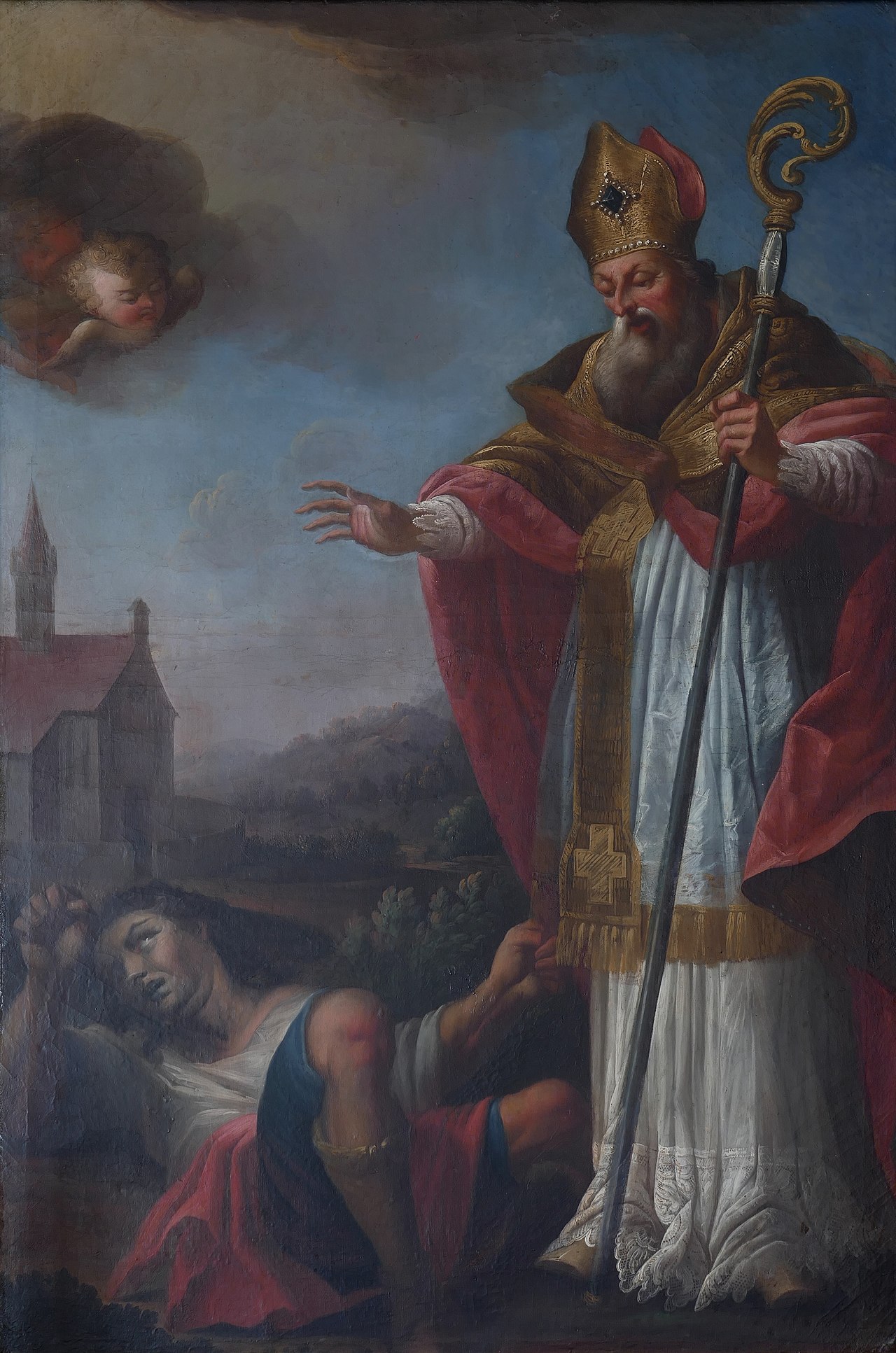
The name of the day is linked to one or more early Christian figures known collectively as Valentine. Accounts describe a martyred, Christian saint who, according to later tradition, performed marriages for soldiers or couples in defiance of imperial restrictions. The association between the saint's feast and romantic love became stronger in medieval Europe: poets and writers in the late Middle Ages helped shape the idea of a special day for courtly and romantic exchange.
Spread and cultural adaptation
By the early modern era the custom of sending short handwritten notes and tokens was established in parts of England, and with migration and cultural exchange it became familiar in the United States and elsewhere. Popular and commercial forms of the holiday continued to evolve; for example, mass-produced greeting cards and candy boxes became widespread in the 18th and 19th centuries in some societies. After after World War II, American popular culture and commercial practices helped further export modern Valentine's customs to Europe and other regions.
Practices and contemporary variations
Modern observance is diverse. Typical practices include:
- Exchanging printed or handmade cards and love letters.
- Giving bouquets, especially roses, and boxes of chocolates.
- Special meals, date activities, and public declarations of affection.
- Schoolroom exchanges of valentines among classmates.
In recent decades many people and communities have adapted the day to celebrate friendship, family bonds, self-care, or broader expressions of appreciation rather than exclusive romantic love. Some cultural responses critique the holiday's commercialization or the pressure it places on single people; alternative observances emphasize inclusivity and non-commercial gestures.
Notable facts and distinctions
Valentine's Day mixes religious, historical and commercial elements and varies widely by country and culture. In some places it is inseparable from consumer industries such as floristry and confectionery; in others it coexists with local traditions and different seasonal celebrations of love. Because its origins are layered—part hagiography, part medieval literature, part popular custom—scholars treat the holiday as an example of how religious remembrance, literary invention and social practice can combine to create enduring cultural rituals.
For further introductory reading and resources about traditions and etiquette, see sources and guides linked here: date overview, flower traditions, gift customs, symbol guide, heart symbol, Cupid iconography, arrow motif, martyr stories, Christian contexts, saint biographies, Valentine figure, English traditions, United States history, postwar diffusion.
Questions and answers
Q: What is Valentine's Day?
A: Valentine's Day is a celebration that happens on February 14, where lovers celebrate their love.
Q: What are some ways people can celebrate Valentine’s Day?
A: People can celebrate Valentine’s Day by giving flowers, chocolates, Valentine’s cards, or just a nice gift. Love notes can also be given to one another.
Q: What are love notes also called?
A: Love notes are also called valentines.
Q: What symbols are often associated with Valentine’s Day?
A: The symbols of Valentine's Day are heart shapes, roses, and Cupid with his arrows.
Q: Who was Valentine's Day named after?
A: Valentine's Day was named after a Christian saint named Valentine who was martyred. He was a bishop that married forbidden couples.
Q: When did Valentine's pairs start forming in England?
A: Valentine's pairs started forming in England since the 14th century.
Q: Who brought the Valentine’s custom to Europe after World War II?
A: US soldiers brought the Valentine's custom to Europe after World War II.
Related articles
Author
AlegsaOnline.com Valentine's Day: origins, symbols, customs and modern observance Leandro Alegsa
URL: https://en.alegsaonline.com/art/103996
Sources
- valentinejinni.com : "Saint Valentine"