
Vaisakhi (Baisakhi) — Sikh festival and spring harvest/new year
Vaisakhi is a spring harvest festival celebrated in the Indian subcontinent around April 13–14. It marks the Punjabi harvest, regional new-year traditions and, for Sikhs, the 1699 founding of the Khalsa.
Overview
Vaisakhi (Punjabi: ਵਿਸਾਖੀ) is an annual spring festival observed around April 13 or 14. It is widely celebrated in the northern Indian state of Punjab and across the South Asian diaspora. For many it is a harvest festival that marks the ripening of the rabi crops and the start of the agricultural new year; for others it is a regional solar new year closely timed with other mid‑April observances.
Image gallery
10 Images




History and religious significance
Historically Vaisakhi is linked to agrarian cycles and the month of Vaisakh in traditional calendars. In Sikh tradition the day is also associated with a major institutional moment: in 1699 Guru Gobind Singh formalized the Khalsa, the collective body of baptised Sikhs, an event commemorated with religious services and ceremonies. This dual character—both secular harvest and sacred commemoration—shapes how the day is marked in different communities.
Regional names and timing
The festival appears across South Asia under different names and related customs. It coincides with or is near other new‑year festivals such as Pohela Boishakh, Baisakh observances in Nepal, Assamese Bihu and Vishu in Kerala. Local calendars and practices vary, but the mid‑April timing reflects the solar transition that many regional calendars note each year. See more regional details here and general festival context here.
Customs and observances
Vaisakhi celebrations blend religious ritual, communal meals and cultural performance. Typical observances include visiting gurdwaras for prayer and kirtan, participation in processions and public recitals, and sharing free community meals known as langar. Folk dances and music—particularly bhangra and gidda in Punjab—are prominent parts of public festivities.
- Religious services and scripture readings at gurdwaras
- Amrit Sanchar (baptism ceremonies) and commemorations of the Khalsa
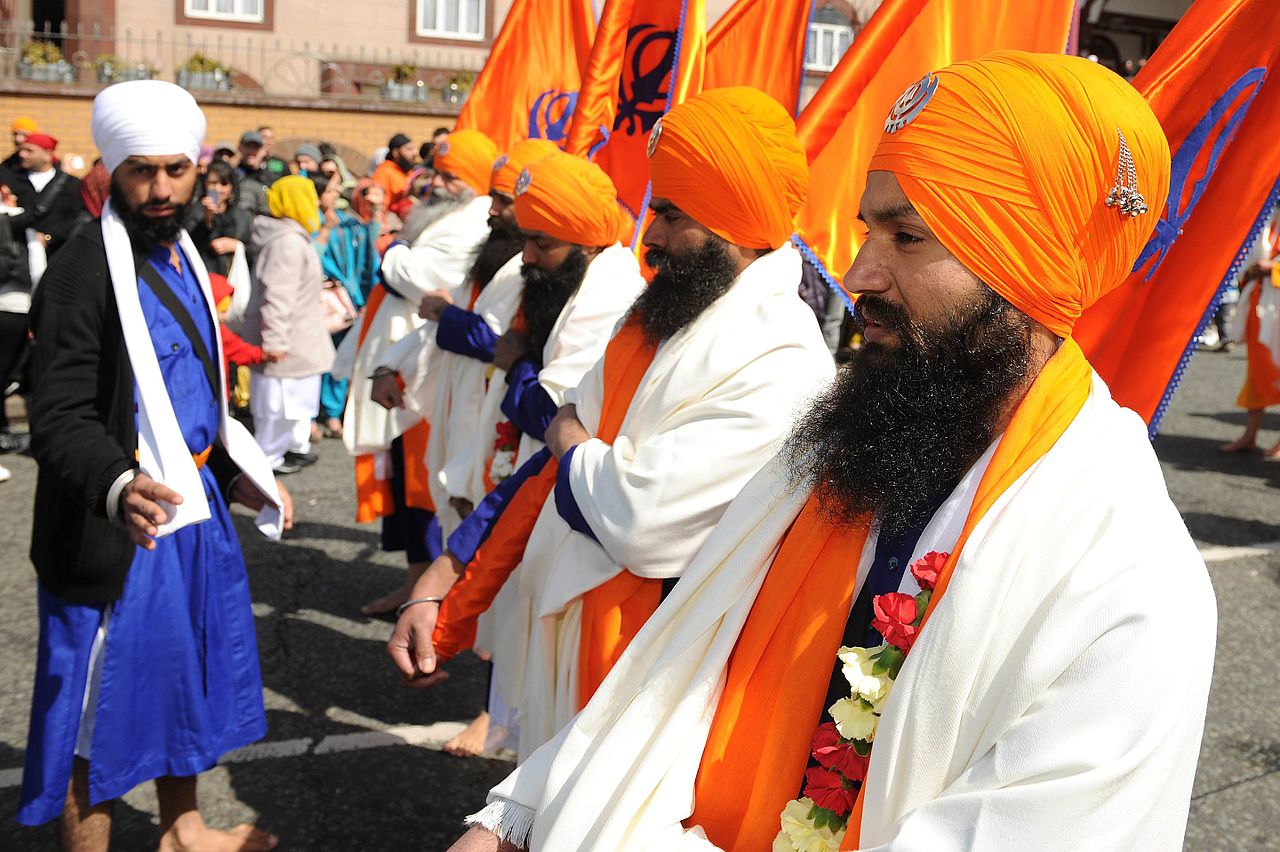
- Nagar kirtans (religious processions) and martial displays
- Community kitchens (langar), fairs, markets and agricultural thanksgiving
Vaisakhi remains both a deeply spiritual day for Sikhs and a major cultural and agricultural festival for many communities in South Asia and the diaspora. Its blend of historical memory, seasonal celebration and public ritual makes it one of the most visible spring festivals in the region.
Questions and answers
Q: What is Vaisakhi?
A: Vaisakhi is an important festival celebrated by Sikhs and Hindus.
Q: Where is Vaisakhi celebrated?
A: Vaisakhi is celebrated in South Asia.
Q: When is Vaisakhi celebrated?
A: Vaisakhi is celebrated around April 13.
Q: Who celebrates Vaisakhi?
A: Sikhs and Hindus celebrate Vaisakhi.
Q: Is Vaisakhi a big celebration?
A: Yes, Vaisakhi is a very big celebration in South Asia.
Q: What are the other names for Vaisakhi?
A: Vaisakhi is also known as Vishu or Baisaki.
Q: Why is Vaisakhi celebrated?
A: The origins of Vaisakhi are rooted in the harvest festival and historically signify the start of a new year for farmers in the Punjab region. Sikhism's history, beliefs, and practices revolve around celebrating this festival with great fervor. The festival also celebrates the founding of the Sikh community, known as the Khalsa, in 1699 by Guru Gobind Singh, the tenth Sikh Guru. For Hindus, it marks the Solar New Year, and they celebrate it with great enthusiasm in various ways across India.
Related articles
Author
AlegsaOnline.com Vaisakhi (Baisakhi) — Sikh festival and spring harvest/new year Leandro Alegsa
URL: https://en.alegsaonline.com/art/103887
Sources
- bbc.co.uk : "Sikhism holy days: Baisakhi"
- baisakhi1999.org : "The Historic Day of Baisakhi"
- bbc.co.uk : "hinduism info"