
The Revenant (2015 film): survival, revenge, and cinematic craft
A detailed overview of The Revenant (2015): its story inspired by frontiersman Hugh Glass, production and cinematography, principal cast and crew, release, reception and awards.
The Revenant is a 2015 American feature film that blends elements of semi-biographical storytelling and the western genre. Set in the early 1820s on the northern plains around present-day Montana and South Dakota, the narrative draws on the real-life ordeal of frontier hunter and fur trapper Hugh Glass. The film follows a brutal bear attack, a betrayal by members of Glass's expedition, and his grim, determined struggle to survive and seek retribution.
Image gallery
5 Images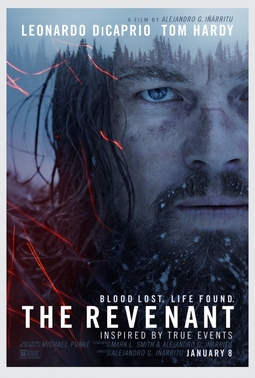

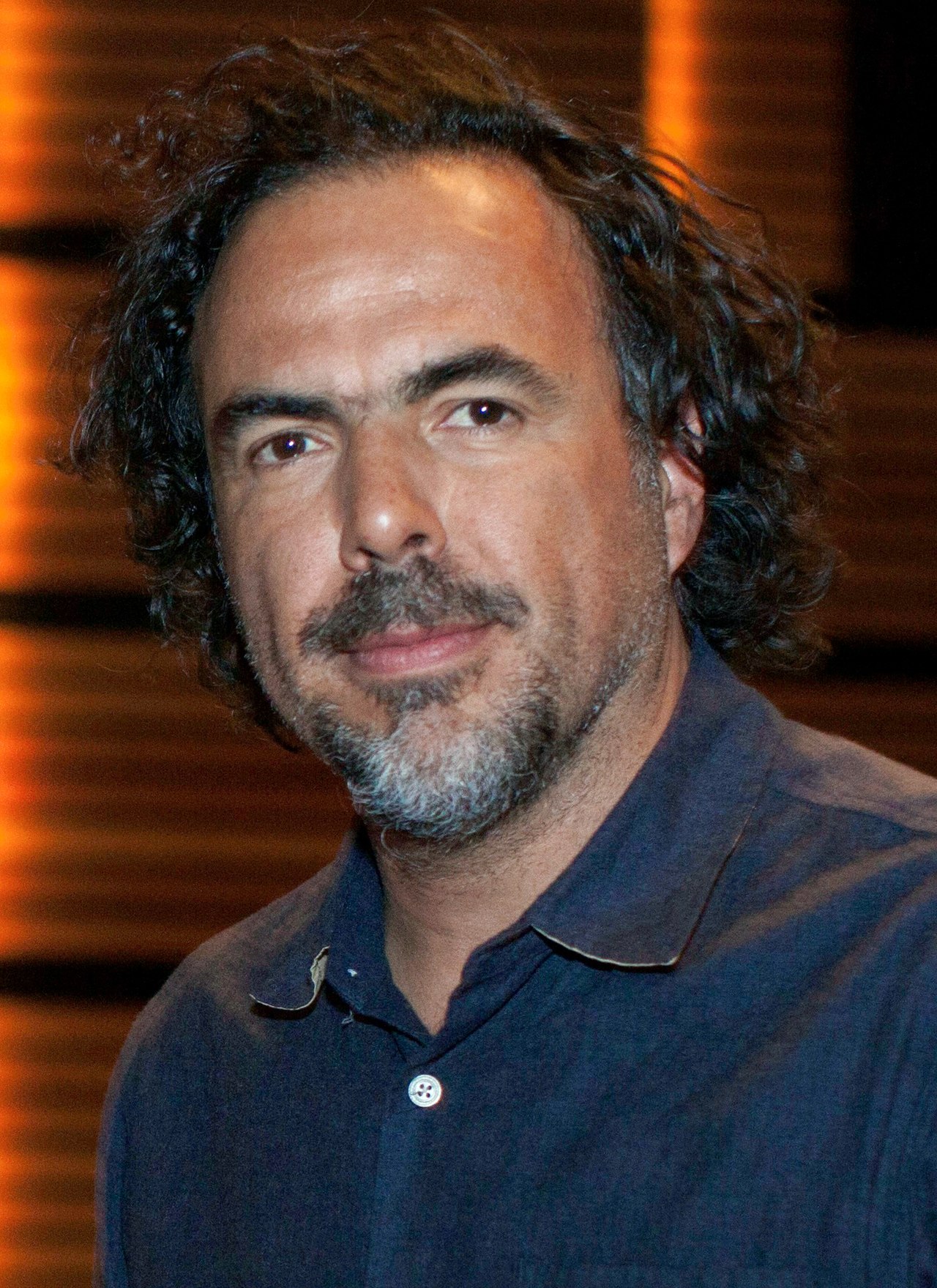

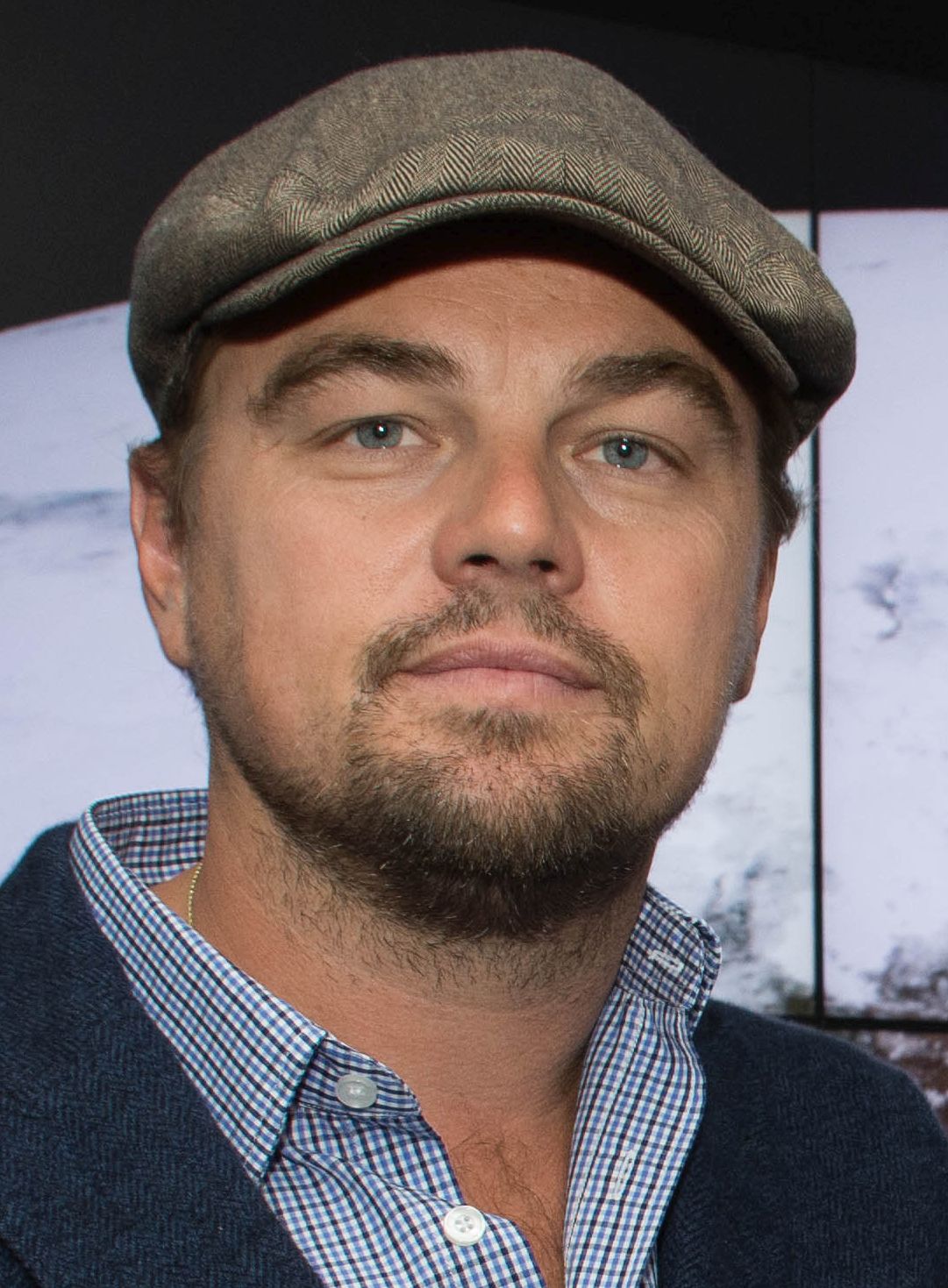
Cast, creators, and source material
Directed by Alejandro G. Iñárritu, the screenplay was written by Iñárritu and Mark L. Smith and adapts material from Michael Punke's novel. The leading role of Hugh Glass is played by Leonardo DiCaprio, supported by notable performances from Tom Hardy, Will Poulter, and Domhnall Gleeson. The ensemble and the director sought to create an immersive period piece that foregrounds physical endurance and realistic detail rather than conventional Hollywood heroics.
Production approach and cinematography
The film became widely discussed for its rigorous production conditions and distinctive visual approach. Cinematographer Emmanuel Lubezki employed long takes and predominantly natural light to evoke the harsh, changeable environment faced by the characters. The shoot required on-location work in remote and cold settings, which shaped both the performances and the visual texture. These choices produced a visceral sense of cold, isolation, and the elemental power of the wilderness.
Plot and themes
At its core the story charts survival and a human drive for vengeance. After suffering a near-fatal mauling and being abandoned by fellow trappers, the protagonist must traverse frozen landscapes, contend with injury and hunger, and confront the men who left him. The film also explores themes of colonial expansion, the fraught interactions between Euro-American frontiersmen and Indigenous peoples, and the limits of individual will against nature.
Release, reception, and awards
The Revenant premiered at the TCL Chinese Theatre in Los Angeles in December 2015, opened in limited release later that month and reached wider audiences in early 2016. Critics largely praised the movie for its direction, acting, and cinematography, while some discussions noted its relentless tone and graphic depictions of suffering. The film received recognition across major awards circuits: it won multiple Golden Globe and BAFTA awards, and at the 88th Academy Awards it earned 12 nominations including Best Picture. Final Oscars included wins for Best Director, Best Actor for the lead, and Best Cinematography. Tom Hardy received a notable supporting actor nomination as well (Best Supporting Actor).
- Source inspiration: the historical Hugh Glass narrative, filtered through fiction and myth.
- Directorial style: emphasis on atmosphere and actor endurance rather than plot-driven spectacle.
- Visual signature: extended single-shot sequences and reliance on natural lighting to heighten realism.
- Critical notes: frequently cited in discussions of method filmmaking and contemporary period epics.
Today the film is often referenced for its technical achievements and for Leonardo DiCaprio's performance, which culminated in his first Academy Award for acting. While its portrayal of early nineteenth-century frontier life is dramatized, The Revenant remains a prominent example of recent cinema that prioritizes mood, environment, and the physical demands placed on both characters and cast to convey a story of endurance and revenge.
For further reading on the film's background, production diaries, and critical analyses, see related materials and interviews available from film outlets and festival coverage.
More on the film | Background | Genre notes | Setting | Historical region
Hugh Glass | Alejandro G. Iñárritu | Leonardo DiCaprio | Tom Hardy | Will Poulter | Domhnall Gleeson
Premiere details | Golden Globes | BAFTAs | Oscars nominations | Supporting Actor nod | Best Director win | Best Actor win | Cinematography win
Related articles
Author
AlegsaOnline.com The Revenant (2015 film): survival, revenge, and cinematic craft Leandro Alegsa
URL: https://en.alegsaonline.com/art/98735
Sources
- collider.com : "Alejandro González Iñárritu Explains Why The Revenant Is Taking 9 Months to Shoot"
- variety.com : "Leonardo DiCaprio's Survival Drama 'The Revenant' Attracts Megan Ellison's Annapurna"
- hollywoodreporter.com : "'The Revenant' Producers, Alejandro G. Inarritu Defend Budget, Sequential Shoot at Produced By: NY 2015"
- newregency.com : "The Revenant"
- deadline.com : "'Revenant' & 'The Forest' Begin B.O. Journey On Thursday; 'Force Awakens' To Cross $800M This Weekend – Box Office"