
The Legend of Zelda (1986 video game)
The first game in Nintendo's The Legend of Zelda series (1986). It introduced open-world exploration, battery-backed saving and item-driven progression, launching a long-running action-adventure franchise.
Overview
The Legend of Zelda is the original entry in Nintendo's long-running action-adventure series. First released in the mid-1980s, it casts the player as the young hero Link, who explores an overworld and a series of underground areas to rescue Princess Zelda from the antagonist commonly known as Ganon and to recover the sacred Triforce. The game blends real-time combat, exploration, puzzle solving and an inventory-driven progression model that became central to the series.
Image gallery
8 Images





Gameplay
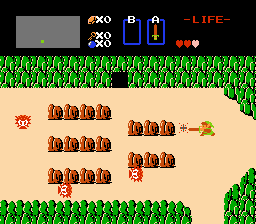
The game is presented from a top-down perspective and is notable for its emphasis on exploration and discovery. Players navigate a connected world, enter dungeons, solve environmental puzzles and acquire items that alter their capabilities. Common items include a sword and shield, bombs for destroying obstacles, a boomerang-type item, and other tools that are used both in combat and to access new areas. The freedom to revisit areas and tackle challenges in a flexible order distinguishes the design from many contemporaneous titles.
Design and development
Directed by Shigeru Miyamoto with a small internal team, the project combined elements of action and adventure design with an interest in creating a sense of land to be explored. Music played a key role in the game's atmosphere, with themes that later became iconic for the franchise. Early technical and design choices—such as how items gate progress and how secrets are hidden in the environment—shaped the blueprint for many future action-adventure games.
Saving and structure
An important technical innovation associated with the title was the use of persistent save data on cartridge releases, allowing players to retain progress between sessions without lengthy password systems. In some regions and formats the original used disk-based media that also supported saved progress. The combination of a persistent save system with a non-linear overworld encouraged longer, more involved play sessions and deeper engagement with exploration and discovery.
Replay and challenge modes
After the game is completed, many versions offer a more difficult second playthrough that rearranges some elements and increases challenge, encouraging replay and mastery. This kind of layered difficulty became a common design choice in later titles for offering extra content to experienced players.
Music and presentation
The game's audio and visual presentation made effective use of the hardware of the time to convey atmosphere, memorable melodies and distinct locations. Simple but clear visual icons, recurring symbols such as the Triforce, and short musical cues contributed to a recognizable series identity that has been referenced and expanded across many later releases.
Reception and legacy
The original title was both a commercial hit and a critical success, establishing a franchise that would evolve across successive Nintendo platforms. It is widely credited with influencing the action-adventure genre through its mix of exploration, item-based progression and persistent saves. The game has been reissued, emulated and celebrated in retrospectives, and its characters, motifs and mechanics remain central to the broader Zelda mythos.
Notable features
- Open exploration: A connected world with secrets off the beaten path.
- Item-driven access: New equipment allows access to previously unreachable areas.
- Persistent progress: Early adoption of battery-backed saving or disk saves to continue play across sessions.
- Enduring motifs: Introduction of characters and symbols that define the series.
Further reading and resources
For additional information about the game, its creators and its historical context, consult the following resources:
Related articles
Author
AlegsaOnline.com The Legend of Zelda (1986 video game) Leandro Alegsa
URL: https://en.alegsaonline.com/art/98334
Sources
- tcrf.net : "Proto:The Legend of Zelda"
- oni.skr.jp : "照井啓司さんのコメントコーナー"
- ign.com : "The Legend of Zelda - NES"
- nindb.net : "'The Legend of Zelda'"
- nintendo.com : "NES Games"
- gamespot.com : "The Legend of Zelda"