
The Last Airbender (2010 video game)
A 2010 action-adventure tie-in to the live-action film, released for Wii and Nintendo DS. Developed by THQ Studio Australia and published by THQ, it adapts the movie's story with platform-specific controls.
The Last Airbender is a licensed action-adventure video game released in 2010 to coincide with the live-action film adaptation of the animated series. The game follows the film's plot and characters, presenting single-player missions that mix combat, simple puzzles, and cinematic scenes. It was produced as part of a series of games based on the franchise and aimed primarily at fans of the movie version.
Image gallery
1 Image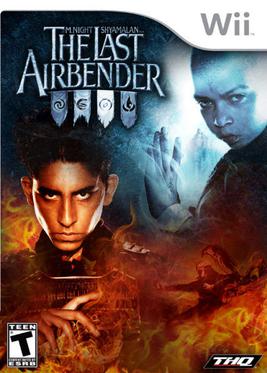
Platforms and controls
The title was released for the Wii and the Nintendo DS. On the Wii, the game uses the console's motion-oriented controller features to represent elemental "bending" actions and gestures, while the DS version relies on the handheld's touchscreen and button inputs for stylus-based mini-games and direct control. These platform differences shape the pacing and design of levels on each system.
Gameplay and structure
Gameplay is structured around a linear campaign that mirrors key scenes from the film, with players taking control of the protagonist and allied characters during specific levels. Typical encounters combine straightforward hand-to-hand and ranged combat, environmental puzzles that require using bending abilities, and set-piece confrontations against larger enemies. Progression often rewards players with new abilities or scripted moves that expand how bending mechanics are used in later stages.
Development and release
The game was developed by THQ Studio Australia and published by THQ, following earlier licensed games in the same universe. It launched in North America on 29 June 2010 to align with the film's release. Releases in other territories followed, with a European release on 6 August 2010 and a planned Australian release in September 2010; see regional listings for precise dates (Europe, Australia). The game is explicitly tied to the movie rather than the original animated series (film).
Reception and context
As a movie tie-in, the game is part of a broader category of licensed products that prioritize timely release and faithful recreation of film moments. Critical and player responses typically note the appeal to fans who want to relive the movie's scenes in interactive form, while also observing the limitations common to licensed titles—shorter length and simpler mechanics compared with standalone franchise entries. Nonetheless, it remains a documented example of how console-specific controls (motion on Wii, touch on DS) were used to translate on-screen elemental powers into gameplay.
Related articles
Author
AlegsaOnline.com The Last Airbender (2010 video game) Leandro Alegsa
URL: https://en.alegsaonline.com/art/98296
Sources
- us.thq.com : The Last Airbender - Wii