
The Left Hand of Darkness — novel by Ursula K. Le Guin
Ursula K. Le Guin's 1969 science fiction novel exploring gender, politics, and human connection on the ice world Gethen; winner of the Nebula and Hugo awards.
Overview
The Left Hand of Darkness is a science fiction novel by Ursula K. Le Guin, first published in 1969. Set on the wintry planet of Gethen, the book follows an envoy from another world who must navigate unfamiliar social structures and an unusual physiology to build diplomatic ties. The narrative combines adventure, political intrigue, and sustained reflection on identity.
Image gallery
3 Images
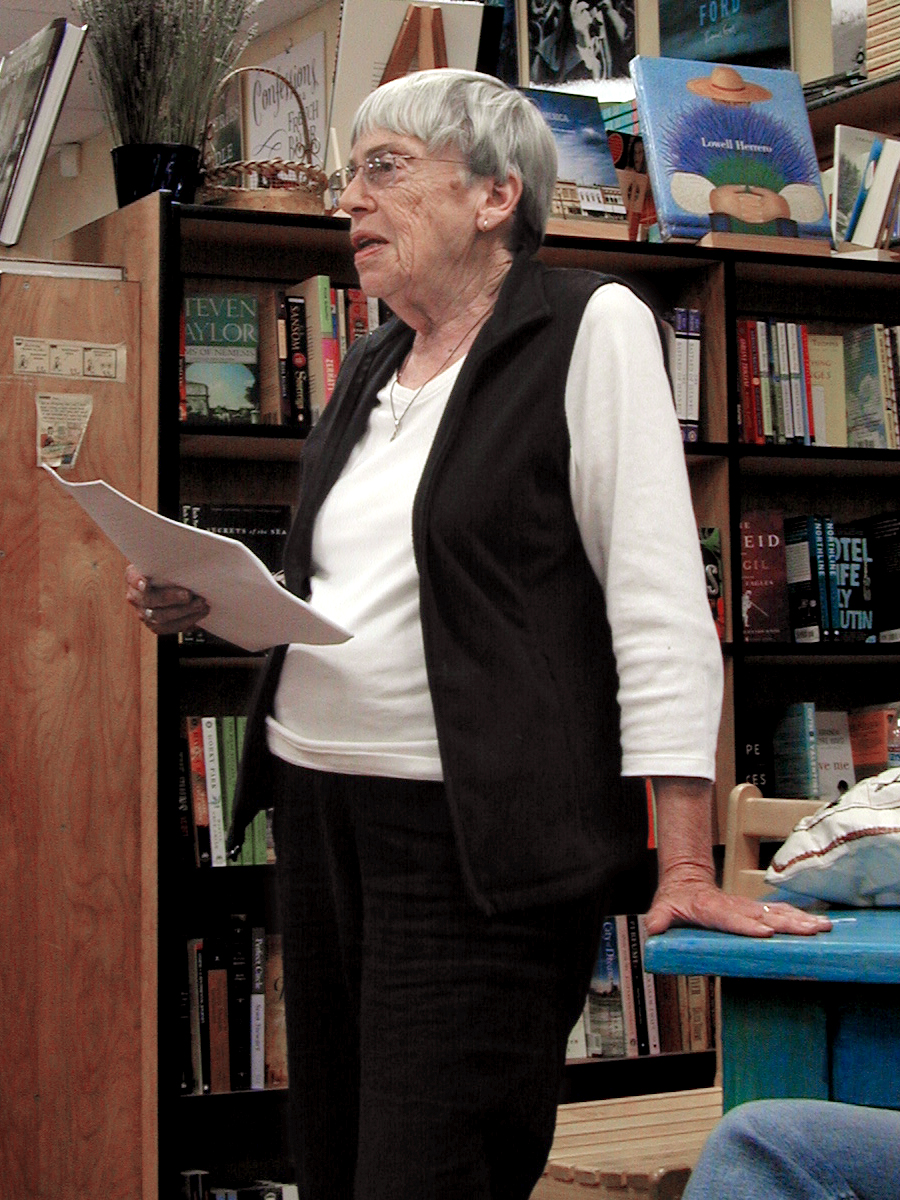

Setting and principal characters
The story takes place on Gethen, often nicknamed "Winter" for its long cold seasons. Gethenian society is organized into nations and political factions; the novel focuses on the envoy Genly Ai and the complex figure Estraven, whose shifting fortunes and loyalties drive much of the plot. Le Guin uses journeys across frozen landscapes and stays at court to reveal cultural detail.
Themes and style
A central speculative element is Gethenians' sexual biology: they are ambisexual, becoming temporarily male or female during sexual cycles. Le Guin treats this trait as a lens to examine gender, intimacy, and social roles rather than as a mere gimmick. The prose often reads as an anthropological report, with passages that resemble personal journals and official documents, emphasizing observation and difference.
Reception and awards
The novel was widely acclaimed on publication and won major genre prizes, receiving the Nebula Award and the Hugo Award. Critics and scholars have praised its imaginative worldbuilding and its nuanced exploration of gender and politics. It is frequently discussed in studies of feminist and queer approaches to speculative fiction.
Influence and adaptations
Recognized as one of the most influential examinations of gender in science fiction, the work helped broaden the thematic range of the field and inspired later authors to tackle social thought experiments. It has been dramatised and recorded in various formats and continues to be taught and debated in literary and cultural studies.
Further reading and resources
- Overview and publication history
- Biographical context of the author
- Critical essays and interpretations
- Recordings and adaptations
- Bibliographic information and editions
The Left Hand of Darkness remains a key work for readers interested in speculative approaches to human difference, the possibilities of social imagination, and the ethical questions that arise when cultures encounter each other.
Related articles
Author
AlegsaOnline.com The Left Hand of Darkness — novel by Ursula K. Le Guin Leandro Alegsa
URL: https://en.alegsaonline.com/art/98326
Sources
- books.google.com : The Language of the Night: Essays on Fantasy and Science Fiction