
The Isley Brothers: American R&B, Soul and Funk Pioneers
A concise encyclopedia overview of The Isley Brothers: origins, evolving lineup, musical style, major songs, business moves, and their influence across R&B, funk, soul and rock.
Overview
The Isley Brothers are a long-lived American musical group whose recordings and performances have shaped rhythm and blues, soul, funk and rock from the 1950s onward. Originating in Cincinnati, Ohio, the group rose from gospel roots to mainstream success and remained commercially and artistically active across several decades. Their catalog includes enduring singles that have been covered, sampled and celebrated by subsequent generations of artists.
Image gallery
2 Images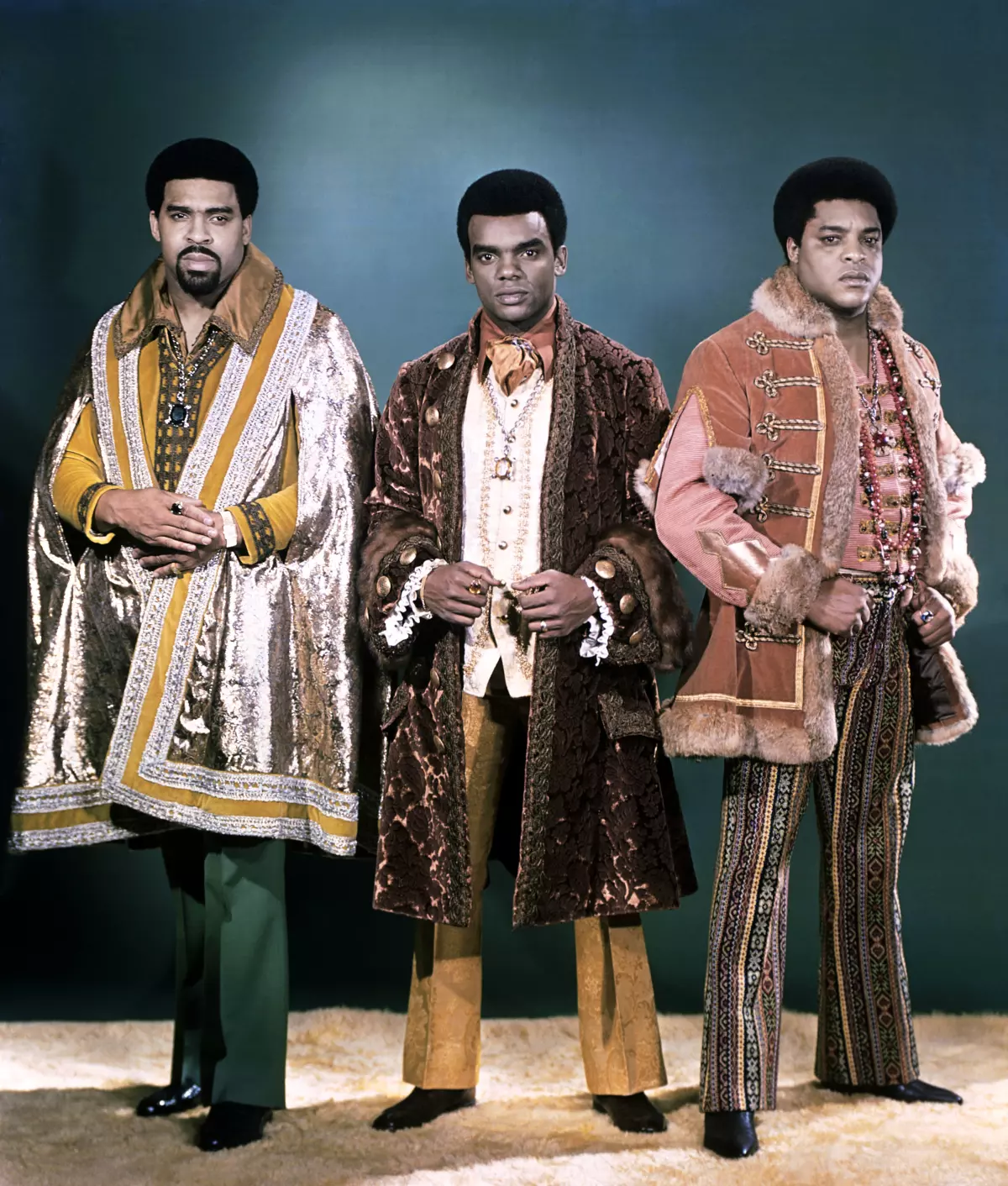

Musical style and significance
Rather than adhering to a single genre, the group blended gospel-influenced vocal harmonies with R&B rhythms, soul balladry, gritty funk grooves and occasional rock elements. They were notable for combining polished vocal arrangements with raw electric guitar and rhythmic innovation, helping bridge older vocal-harmony traditions and the more band-oriented soul and funk styles of the 1970s. Their work has influenced performers in R&B, hip-hop and rock, and many of their recordings are frequently sampled.
History and members
The core of the act began with the elder brothers who sang together professionally in the 1950s. Over time the lineup expanded to include younger family members and collaborators, creating a larger band that could write, record and perform more instrumentally driven material. They formed their own label to gain artistic control and released a steady stream of singles and albums. Membership and roles shifted across decades, but the family identity remained central to the group’s public image.
Notable songs and achievements
- "Twist and Shout" — a high-energy early hit later covered famously by the Beatles.
- "This Old Heart of Mine (Is Weak for You)" — a classic soul single with enduring popularity.
- "It's Your Thing" — a defining funk anthem that won wide acclaim.
- "That Lady" — a 1970s hit highlighting a harder-edged, guitar-driven sound.
- "Contagious" — a later R&B hit illustrating the group’s continued presence into the 2000s.
Legacy and notable facts
The Isley Brothers are recognized for their longevity and adaptability: they successfully navigated shifts in popular music across several eras and maintained influence through covers, samples and live performance. They established artistic control through their own label and lineup choices, and their recordings are often cited in histories of American popular music. For more detailed timelines, discographies and archival material, see further resources.
Related articles
Author
AlegsaOnline.com The Isley Brothers: American R&B, Soul and Funk Pioneers Leandro Alegsa
URL: https://en.alegsaonline.com/art/98226