
The Fall of Hyperion
Second novel in Dan Simmons's Hyperion Cantos (1990). A wide‑ranging science‑fiction space opera that expands the first book's pilgrim narrative into interstellar politics, philosophy and myth; award‑nominated.
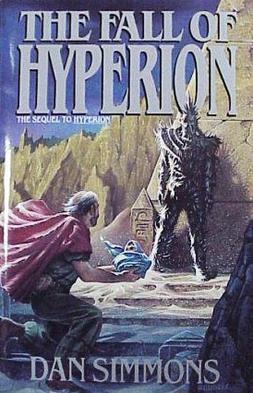
The Fall of Hyperion is the second volume in the Hyperion Cantos, a sequence of science‑fiction novels by Dan Simmons. Published in 1990, it continues the events begun in Hyperion and broadens the story from a small group of pilgrims to the larger institutions, conflicts and mysteries of a far‑future human civilization. The work draws explicit inspiration from the poetry and themes of John Keats, a recurring source of names, imagery and motifs throughout the series.
Image gallery
2 Images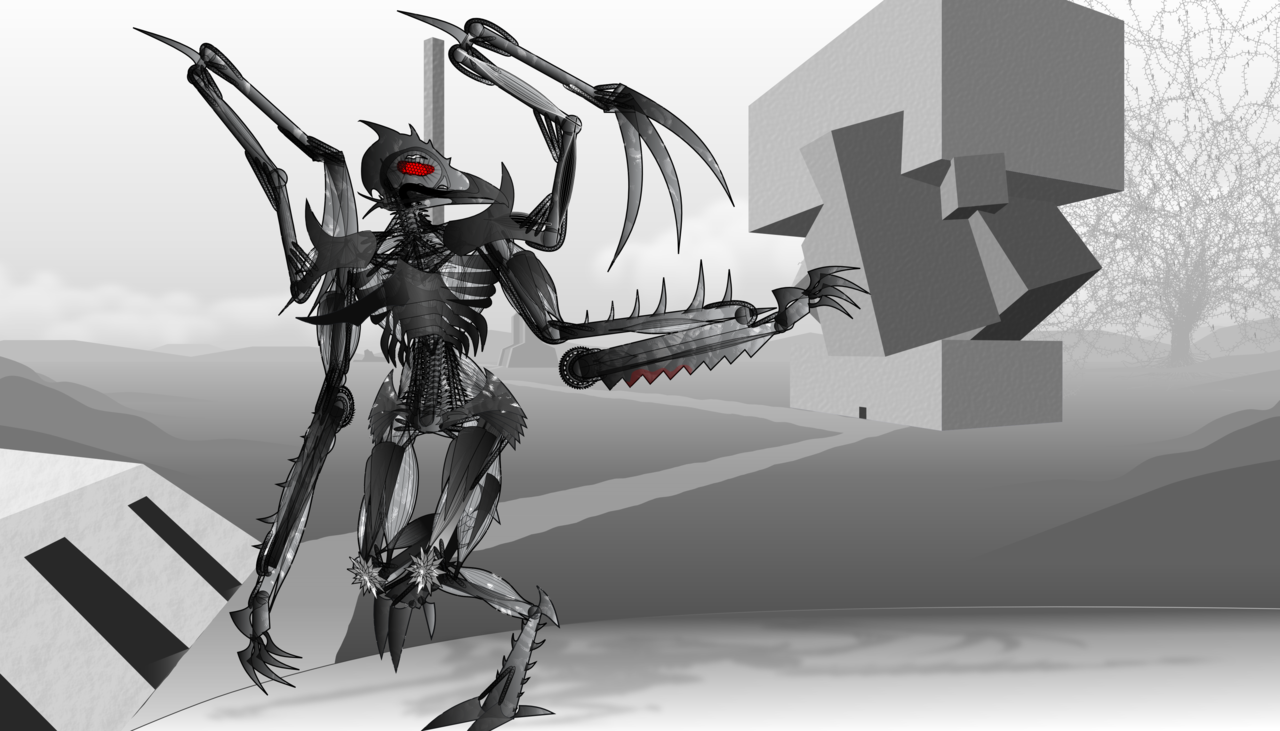
Overview and structure
Unlike the framed tale structure of the first book, this volume adopts a more expansive viewpoint, intercutting political deliberations, cosmic mysteries and personal crises. The narrative follows consequences that ripple outward from the pilgrims' journey, exploring how enigmatic elements such as the Shrike and the Time Tombs interact with human institutions including the Hegemony and rival groups. The result is both a continuation of character arcs and a widening of thematic scope to encompass war, diplomacy and technological agency.
Plot elements (non‑spoiler)
The Fall of Hyperion interweaves several narrative threads: characters who were introduced in the preceding novel; the actions of far‑reaching political bodies; and the interventions of powerful artificial intelligences. These strands converge as the novel examines impending crises and the hard choices prompted by contact with an apparently inscrutable power. The treatment balances immediate human drama with long‑term cosmological questions.
Themes and style
Prominent themes include the tension between fate and free will, the cultural role of myth and art, and ethical questions about advanced intelligences and their influence on humanity. Simmons mixes lyrical allusion with speculative technics, often contrasting poetic reflection with detailed depiction of future technologies. The presence of a Keatsian figure and sustained literary reference points gives the book an uncommon density of cultural cross‑reference for mainstream space opera.
Reception and awards
On publication the novel attracted attention for its ambition and the scope of its ideas. It was nominated for major genre prizes — including the Nebula Award for Best Novel in 1990 and the Hugo Award in 1991 — and generated significant critical discussion about its blending of literary and speculative concerns. Readers and reviewers praised its imaginative reach while some noted its density and complexity as challenging for readers expecting a straightforward narrative.
Legacy and influence
As the central volume of the initial trilogy (later extended), The Fall of Hyperion functions as a bridge between intimate backstories and later resolution. It helped establish Simmons's reputation for mixing high literary reference with space‑opera plotting and has been cited by writers and critics interested in the intersection of myth, poetry and science fiction. The novel remains a frequent subject of analysis in discussions of genre blending and narrative ambition.
Notable facts
- The title and many images in the book echo the work and biography of John Keats, a deliberate literary frame.
- The story expands the canvas of the series from individual pilgrims to interstellar politics and technological entities.
- The novel participates in ongoing debates within the series about the relationship between humans and advanced artificial intelligences.
- For general context about the series and similar works, consult overviews of science fiction and space opera and entries on the complete Hyperion Cantos.
For readers coming from the first book, The Fall of Hyperion offers both resolution of some threads and deliberate ambiguities that propel the narrative into subsequent volumes. Its combination of poetic allusion, speculative technology and large‑scale political drama makes it a notable, if demanding, example of late twentieth‑century speculative fiction.
Related articles
Author
AlegsaOnline.com The Fall of Hyperion Leandro Alegsa
URL: https://en.alegsaonline.com/art/97950