
Hyperion Cantos
A four‑novel science fiction saga by Dan Simmons that blends space opera, literary allusion and philosophical inquiry; notable for its frame narrative, the Shrike, and multiple major awards.
Overview
The Hyperion Cantos is an epic science fiction sequence by Dan Simmons. Told across interlinked novels, the series combines space‑faring adventure, theological and philosophical questions, and literary references to create a layered narrative. Central to the story are the far‑future world of the Hegemony, enigmatic Time Tombs on the planet Hyperion, and a mysterious, lethal figure called the Shrike.
Image gallery
2 Images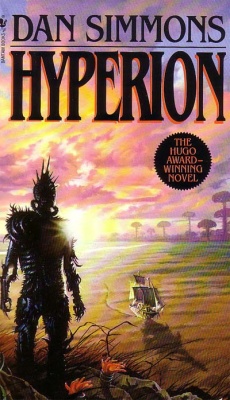

Structure, characters and themes
The books use a frame‑story approach in which multiple pilgrims recount their lives and motives, a technique that echoes classical and medieval models of storytelling. Themes include the nature of sacrifice, the ethics of advanced technology, the problem of suffering, and the interactions between religion, politics and artificial intelligence. Poetry and classical literature—especially the work of John Keats—are woven through the narrative and give the series its titles and recurring motifs.
Books in the sequence
- Hyperion (first volume)
- The Fall of Hyperion
- Endymion
- The Rise of Endymion
Awards and reception
The series earned broad critical attention and several major genre prizes. Hyperion received the Hugo Award, while other volumes were finalists for or winners of awards such as the Nebula and multiple Locus Awards. Readers and critics have praised its ambitious scope, though some note the books' shifts in tone between volumes.
Importance and legacy
The Cantos is frequently cited as an example of science fiction that deliberately engages with literary tradition and philosophical inquiry, merging the sprawling scale of space opera with the intimate, character‑driven stories of its pilgrims. Scholarly and fan commentary often explores its treatment of time, destiny and the moral consequences of technological power. Proposals for screen adaptations and renewed editions have been discussed publicly, and the possibility of bringing the saga to film or television continues to draw interest from producers and readers alike.
Further reading and resources
For introductions, interviews and bibliographic information see general resources on science fiction literature, author pages and award histories. Publisher and fan pages provide reading guides and commentary: see publisher notes at publisher, author interviews at interviews, and curated reading lists at genre archives. Additional background on Keatsian influences and narrative technique can be found in literary studies and retrospective essays available through the linked resources.
Related articles
Author
AlegsaOnline.com Hyperion Cantos Leandro Alegsa
URL: https://en.alegsaonline.com/art/46163
Sources
- dansimmons.com : HYPERION: The Movie: Rumors and Reality