
The Fall of the House of Usher — Poe's Gothic tale and its influence
A compact encyclopedia article on Edgar Allan Poe's short story 'The Fall of the House of Usher': synopsis, characters, themes, publication history, adaptations and cultural legacy.
Overview
The Fall of the House of Usher is a landmark Gothic short story by Edgar Allan Poe, first appearing in Burton's Gentleman's Magazine in September 1839. Poe revised the tale for inclusion in his 1840 collection Tales of the Grotesque and Arabesque. The narrative is told in the first person by an unnamed narrator who visits the decaying mansion of his boyhood friend Roderick Usher, and finds the house, the family, and reality itself in a state of remarkable deterioration.
Image gallery
5 Images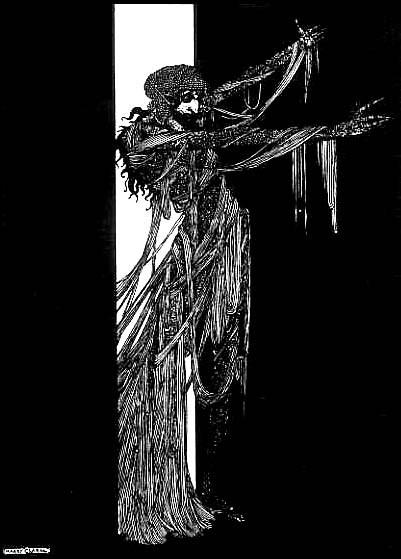


Characters and structure
The story centers on a very small cast and a tight, enclosed setting that intensifies its mood:
- Unnamed narrator – a rational observer whose perceptions frame the tale.
- Roderick Usher – a nervous, artistic man suffering from acute sensitivity and mental disturbance.
- Madeline Usher – Roderick's twin sister, afflicted by a mysterious wasting illness.
Poe interweaves prose with an embedded poem, "The Haunted Palace," which functions as a symbolic counterpoint to the main action.
Themes and symbolism
The story explores decay, madness, familial collapse, and the blurred boundary between mind and environment. The title itself works on two levels: it refers to the literal family mansion and simultaneously to the Usher bloodline. Recurrent motifs include isolation, doubling, the unreliable narrator, and an atmosphere created through sensory detail—sound, light, and architecture all contribute to the tale's oppressive effect.
Publication history and adaptations
After its 1839 magazine debut and 1840 revision, the story became widely anthologized and influential in horror and Gothic fiction. Its dramatic imagery and psychological intensity have inspired numerous adaptations across media. A notable mid-20th-century film adaptation was produced by director Roger Corman starring Vincent Price and Myrna Fahey, which reinterpreted Poe's atmosphere for a cinematic audience.
Legacy and notable facts
"The Fall of the House of Usher" is frequently studied for its Gothic techniques and as an early example of psychological horror. Critics highlight Poe's skill at combining architectural description with inner states to suggest that place and psyche are inseparable. The tale's spare cast, concentrated setting, and ambiguous supernatural elements make it a touchstone for later writers, filmmakers, and artists working in the macabre tradition. For further reading and resources see selections and commentary linked to the story and its author: text and editions, biographical context, and historical publishing details in periodical records.
Related articles
Author
AlegsaOnline.com The Fall of the House of Usher — Poe's Gothic tale and its influence Leandro Alegsa
URL: https://en.alegsaonline.com/art/97952