
Buddy Holly (Charles Hardin Holley) — American rock and roll pioneer
Overview of Buddy Holly, his life, music, influence, and legacy as a 1950s singer‑songwriter and leader of The Crickets whose brief career reshaped rock and roll.
Charles Hardin Holley (September 7, 1936 – February 3, 1959), known professionally as Buddy Holly, was an American singer, songwriter and musician who played a key role in shaping early rock and roll. Born in Lubbock, Texas, Holly combined elements of country, gospel and rhythm and blues to create concise, melody‑driven songs. He led a small ensemble known as The Crickets and achieved national and international fame in the mid‑ to late‑1950s with recordings that included the chart‑topping single "That'll Be the Day" and other enduring songs such as "Peggy Sue," "Everyday" and "Maybe Baby."
Image gallery
9 Images


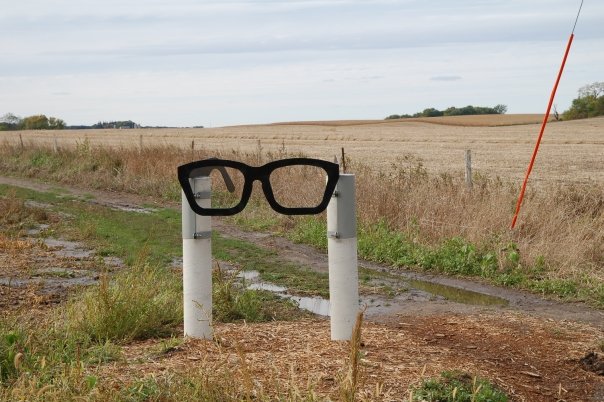

Early life and beginnings
Raised in a musical household, Holly learned guitar at a young age and performed locally before making records. His roots in country and western music, combined with exposure to rhythm and blues and gospel, helped him develop a vocal style and songwriting approach that appealed across traditional genre boundaries. Early regional success in Texas led to studio sessions that produced his first national hits.
Career and notable recordings
Holly wrote, arranged and often produced his own material, favoring short, tightly constructed songs with memorable hooks. In 1957 The Crickets' recording of "That'll Be the Day" reached the top of the popular charts and established Holly as a major figure in the emerging rock and roll scene. He continued to record prolifically over a brief period, producing a string of singles and studio experiments that showcased inventive arrangements and clear, direct singing.
Musical style and recordings
Although commonly associated with rockabilly, Holly's work moved beyond any single subgenre. He employed acoustic and electric guitars, simple rhythm sections, and strong vocal harmonies. In the studio he used techniques such as vocal doubling and layered instrumentation to broaden the sound of a small group. His lyrical themes ranged from teenage romance to introspective observations, and his melodic sense influenced the structure of pop‑rock songwriting that followed.
Instruments, band and performance
Holly played several instruments and was known for his distinctive rhythm and lead guitar work. The Crickets' lineup varied over time, but the group's format—a guitarist‑led band with a rhythm section and close harmonies—became a model for later rock groups. Holly's appearance and stage manner emphasized an accessible, band‑centered approach that contrasted with some solo performer styles of the era.
Death and aftermath
On February 3, 1959, Holly died in a small‑plane crash near Mason City, Iowa. The airplane accident also claimed the lives of fellow performers Ritchie Valens and J.P. "The Big Bopper" Richardson, together with the pilot. The crash was widely mourned and was later immortalized in popular culture; in some accounts the date has been referred to as "the day the music died." Holly's passing cut short a promising career, but his recordings continued to be released and to attract attention after his death.
Influence and legacy
Despite his brief career, Holly's influence on popular music has been profound. Many artists and groups of the 1960s cited him as an inspiration; his emphasis on original songwriting, group presentation and modest studio innovation informed the approach of later rock bands. His songs have been widely covered, and music historians point to his role in popularizing the guitarist‑led band format. Posthumous releases and reissues helped maintain his presence on the charts in both the United States and the United Kingdom.
Honors and recognition
Holly has been honored in a variety of ways since his death: his recordings are preserved and celebrated, he has been inducted into major music halls of fame, and his life and work are the subject of books, exhibitions and a museum dedicated to his legacy in his hometown. Contemporary artists continue to acknowledge his influence on songwriting and bandcraft.
Further reading and resources
- Early life and Lubbock origins
- Nationality and biographical overview
- Rock and roll context and genre
- Vocal style and performance
- Songwriting and compositional techniques
- Chart history and posthumous UK success
- Billboard chart achievements
- Rockabilly and stylistic background
- Instruments and equipment
- Accounts of the Mason City crash
- Ritchie Valens — contemporary performer
- J.P. "The Big Bopper" Richardson — contemporary performer
Buddy Holly's concise songs, clear production choices and focus on original material made him a model for many later singer‑songwriters and rock groups. His work is studied both for its musical innovation and for the cultural resonance of his sudden death, which marked a turning point in the public memory of 1950s popular music. For listeners and scholars alike, Holly remains an essential figure in the development of modern rock.
Questions and answers
Q: Who was Buddy Holly?
A: Buddy Holly was an American rock and roll singer-songwriter born in Lubbock, Texas as Charles Hardin Holley on September 7, 1936.
Q: What was Holly's most famous song?
A: One of Holly's most famous songs was "That'll Be the Day" which he wrote. When played by The Crickets in 1957, it went to number one on the Billboard Hot 100 and UK Singles Chart.
Q: What was Holly's influence on rock and roll music?
A: Holly was important in the history of rock and roll music overall, and in the subgenre, rockabilly music. His style was influenced by gospel music, country music, and rhythm and blues.
Q: What instruments did Holly play?
A: Holly played several different types of instruments.
Q: What was the name of Holly's group?
A: Holly's group was called The Crickets.
Q: When did Holly die and how did he die?
A: Buddy Holly died on February 3, 1959 when a Beechcraft Bonanza 35 airplane carrying him crashed into a field near Mason City, Iowa. Also killed in the crash were Ritchie Valens and J.P. "The Big Bopper" Richardson, including pilot Roger Peterson.
Q: Did Holly have a number one song after his death?
A: Yes, in April 1959, Holly had a number one song (after death) on the UK Singles Chart music chart.
Related articles
Author
AlegsaOnline.com Buddy Holly (Charles Hardin Holley) — American rock and roll pioneer Leandro Alegsa
URL: https://en.alegsaonline.com/art/115757