
Edgar Allan Poe
American writer (1809–1849) known for Gothic short stories, poetry, literary criticism, and for shaping detective and horror fiction.
Edgar Allan Poe was an American writer, editor, and critic whose work in poetry and short fiction helped define the Gothic and macabre strands of 19th‑century literature. His writing is marked by intense atmosphere, psychological complexity, and a concern with death, loss, and obsession. Poe is also widely credited with laying foundations for modern detective fiction and influencing speculative genres.
Image gallery
10 Images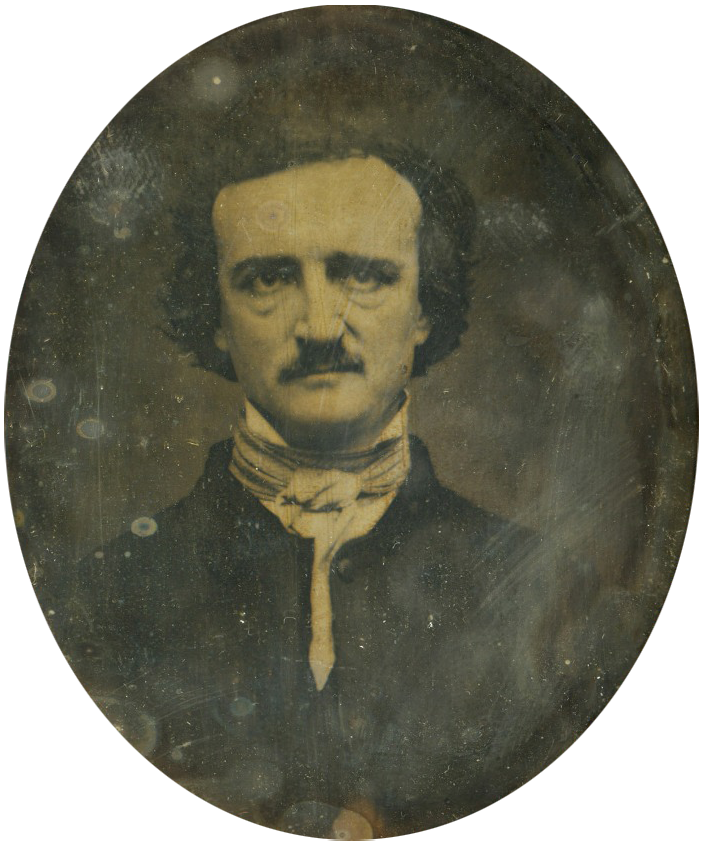


Life and career
Born in 1809, Poe experienced an unsettled childhood after losing his parents and being taken in by the Allan family. He attended university briefly and served at the United States Military Academy before turning to literature and journalism as a profession. For much of his life he worked as an editor for various magazines and periodicals, where he published fiction, poetry, and harsh but influential literary criticism.
Style, themes, and technique
Poe emphasized mood and the "unity of effect," shaping every detail of a story to produce a single emotional response. His narrators are often unreliable, driven by guilt, grief, or madness. Recurring themes include premature burial, the blurring of life and death, the fallibility of perception, and the destructive power of obsession. Poe combined careful formal techniques with vivid, sometimes grotesque imagery to create suspense and horror.
Notable works
- Poetry: "The Raven" and other lyric poems that explore mourning and memory.
- Short fiction: Tales such as "The Tell‑Tale Heart," "The Fall of the House of Usher," and "The Cask of Amontillado," which showcase psychological horror.
- Innovation: "The Murders in the Rue Morgue" is often cited as an early example of detective fiction, introducing analytical reasoning as a plot device.
Influence and legacy
Poe's impact stretches across genres and languages. He influenced later Gothic writers, symbolists, and early science fiction authors, and his emphasis on atmosphere and psychological depth remains important to readers and critics. His work has been widely translated and adapted, and it continues to be studied for its artistry and imaginative force.
For more detailed biographical and bibliographical information see reliable resources: biography and primary texts and critical essays and analysis. Poe's life and mysterious death in 1849 have also inspired ongoing interest and scholarly debate.
Related articles
Author
AlegsaOnline.com Edgar Allan Poe Leandro Alegsa
URL: https://en.alegsaonline.com/art/30090