
The Artist (2011 film)
A black-and-white French silent romantic comedy-drama that recreates Hollywood’s transition to sound; critically acclaimed, widely awarded and noted for its homage to silent-era filmmaking.
Overview
The Artist is a 2011 black-and-white silent romantic comedy-drama produced in France. Directed by Michel Hazanavicius and produced by Thomas Langmann, the film is a modern pastiche of late 1920s–early 1930s Hollywood. It tells a largely visual story of stardom, decline and love, using intertitles and musical scoring in place of conventional spoken dialogue to evoke the period while employing contemporary production values.
Image gallery
6 Images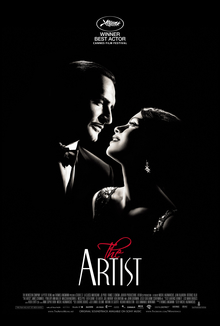
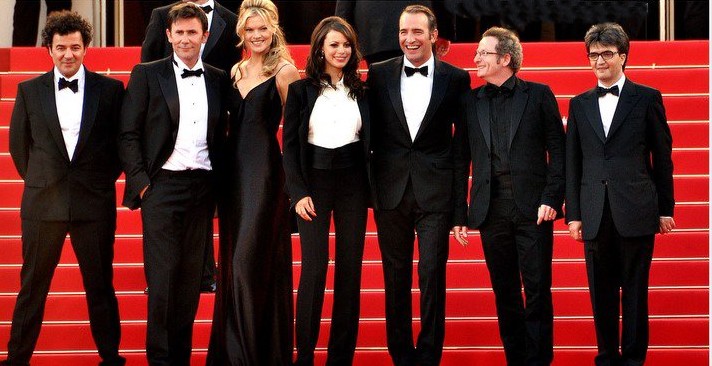



Plot and principal elements
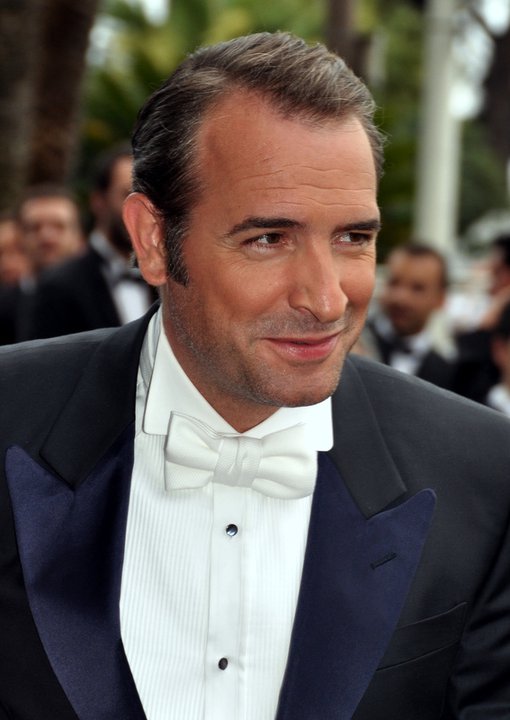
The narrative follows a celebrated silent film star whose career is imperiled by the arrival of talking pictures and a rising young actress. The plot mixes elements of romantic comedy and drama, focusing on performance, timing and facial expression. Jean Dujardin stars in the leading role, with Bérénice Bejo as the actress who becomes central to his personal and professional rehabilitation. Their relationship drives both the emotional and narrative arcs.
Cast and crew
Key cast and crew include the director Michel Hazanavicius, producer Thomas Langmann, and principal performers whose work relies on mime-like physicality rather than spoken text. The production assembled a creative team to recreate silent-era mise-en-scène, costume and cinematography conventions while maintaining clarity for modern viewers.
Style, production and influences
Shot in monochrome and framed to suggest classical studio cinematography, the film intentionally limits spoken dialogue and emphasizes musical cues. Its rhythm, editing and intertitles are modeled on silent-era techniques, including exaggerated acting gestures and carefully composed close-ups. The score functions as a narrative element, filling spaces where dialogue would normally convey emotion. Influences include Golden Age Hollywood comedies and melodramas as well as real-world industry upheavals surrounding the transition to synchronized sound.
Music and sound design
Although silent in the sense of lacking conventional spoken dialogue, the film uses a full orchestral score and sound effects to support pacing and mood. The music often carries the emotional weight of scenes, underlining comic moments, romantic beats and moments of crisis. The soundtrack was widely noted by critics and awards bodies for its contribution to the film’s atmosphere and storytelling.
Release and reception
The film premiered at the Cannes Film Festival in May 2011 and opened in theaters later that year. Critics praised its craftsmanship, design and the lead performances. Review aggregators reflected strong approval; for example, it held a high rating on Rotten Tomatoes. Audiences and reviewers frequently highlighted the film’s affectionate tribute to early cinema and its ability to make historical form feel fresh to contemporary viewers.
Awards and distinctions
The Artist received major international awards recognition. At the Academy Awards it was nominated in multiple categories and won five Oscars, including:
It also won several Golden Globes and other international prizes, and its success was widely discussed as a rare achievement for a modern silent feature in the global awards circuit.
Critical themes and legacy
Beyond honors, the film stimulated renewed interest in silent-era aesthetics and techniques and prompted conversations about how contemporary filmmakers can revive historical forms. Scholars and critics have noted its interplay between nostalgia and pastiche, its commentary on technological change in the film industry, and its reliance on physical performance as storytelling. The Artist is frequently cited in discussions of cinematic homage and as an example of how formal constraints can be used creatively in modern cinema.
Further reading and resources
For more information about the film’s production history, festival screenings and awards coverage, refer to festival pages and awards summaries available through film industry resources and archives. Contemporary reviews and retrospectives provide additional perspectives on its reception and place in early-21st-century cinema.
Related articles
Author
AlegsaOnline.com The Artist (2011 film) Leandro Alegsa
URL: https://en.alegsaonline.com/art/97533
Sources
- boxofficemojo.com : "The Artist"
- rottentomatoes.com : "The Artist"
- hfpa.org : "Artist, The"
- filmsite.org : "2011 Academy Awards® Winners and History"