
The Illinois (Mile‑High skyscraper proposal by Frank Lloyd Wright)
A visionary 1956 proposal by Frank Lloyd Wright for a one‑mile‑high vertical city in Chicago: design, specifications, engineering challenges, urban planning aims and its lasting influence.
Overview
The Illinois, also called Mile High Illinois or Illinois Sky‑City, was a conceptual skyscraper proposed by architect Frank Lloyd Wright in 1956 in his book A Testament. Wright imagined a single building rising one mile (about 1,600 meters) above ground to house a concentrated urban population and services as an alternative to the horizontal expansion of cities. The proposal is best understood as a visionary exercise in urban design rather than a formally funded construction project; Wright presented it as a solution to what he saw as wasteful suburban sprawl and inefficient land use. For Wright's own presentation see the original description in his writings: A Testament and related notes on the proposal.
Image gallery
3 Images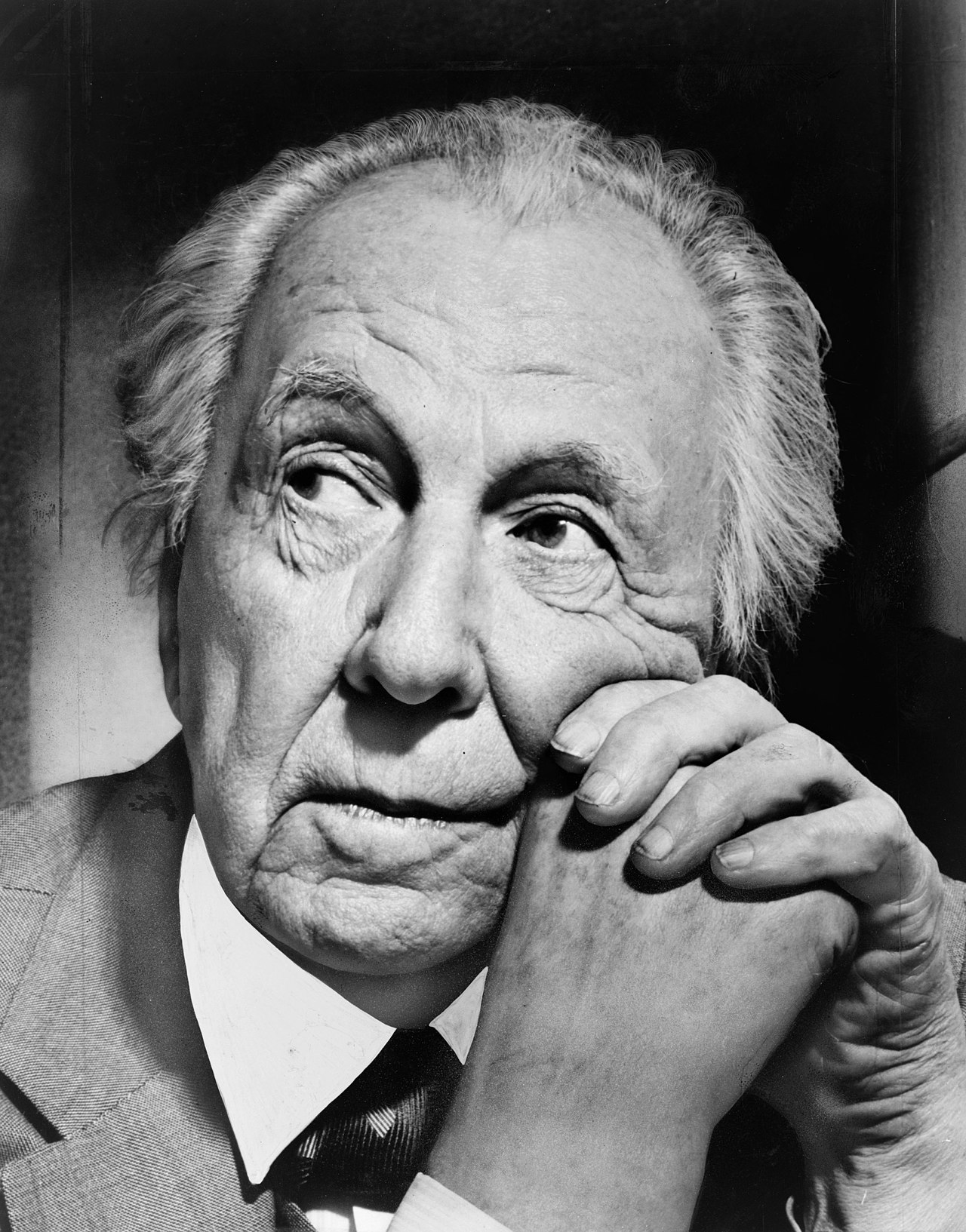
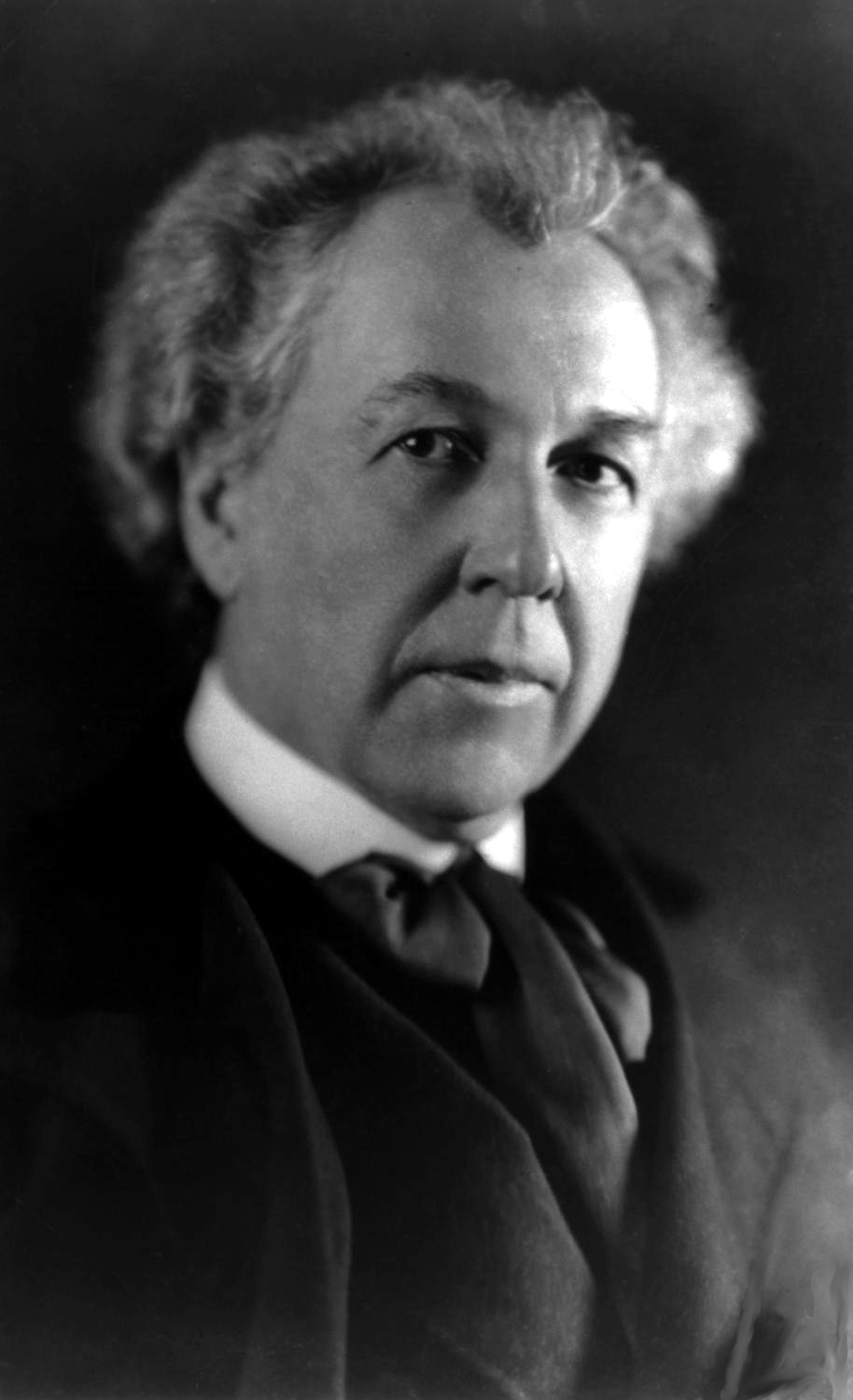

Design and specifications
Wright described the Illinois with specific, ambitious figures that illustrate its intended scale and program. Key characteristics often cited in summaries include:
- Height: approximately one mile (about 1,600 m).
- Floors: roughly 528 stories.
- Total floor area: reported as about 18,460,000 square feet (around 1,715,000 m2).
- Vehicle accommodation: space planned for thousands of cars and dozens of aircraft—Wright suggested parking capacity for about 15,000 automobiles plus room for roughly 150 helicopters.
- Intended location: downtown Chicago, a city Wright associated with architectural ambition and modern industry; see more on Chicago's skyline and context here.
Engineering and practical challenges
Transforming a mile‑high concept into a buildable structure raises a cascade of technical and regulatory issues. Wind forces increase substantially at high altitudes and demand a structural system capable of managing lateral loads and vortex shedding. Foundations would need extraordinary capacity to support immense vertical loads; differential settlement and soil conditions beneath Chicago add further complexity. Vertical transportation is another major constraint: conventional elevator systems are impractical for continuous runs of hundreds of stories, so any workable plan must use elevator zoning, shuttle systems, or intermediate transfer floors. Fire protection, evacuation, mechanical services, and environmental control (heating, cooling, air pressure and ventilation) become increasingly difficult with height and population density. In the 1950s these obstacles, combined with expected financial and material costs, rendered the Illinois economically and technologically unrealistic; many of those barriers remain significant even decades later.
Urban planning intent and comparisons
Wright framed the Illinois not only as an architectural feat but as an urban strategy: a "vertical city" that could concentrate offices, residences, shops and transport within a single footprint, thereby preserving surrounding open land. Advocates of very tall buildings have argued similar benefits—reducing commuting distances and protecting greenfields—while critics note risks, such as social isolation, single‑point failure modes, and the potential for monotony in the urban fabric. For scale comparisons, the proposed Illinois would have dwarfed mid‑20th‑century tall buildings: it was envisioned to be many times taller than the Empire State Building of its day (compare), and would have exceeded by a large margin the height of the presently tallest completed buildings such as the Burj Khalifa (see).
Legacy, influence and cultural significance
Although never built, the Illinois remains one of the most famous unrealized projects of the 20th century and a touchstone in discussions about extreme tall‑building concepts. It has shaped conversations about vertical urbanism and inspired subsequent architects and engineers to imagine greater heights. Some commentators and designers have pointed to Wright's mile‑high idea as one among several influences—conceptual, if not technical—on later record‑breaking towers; for cautious perspectives on influence and lineage see analysis of modern skyscraper design and critiques. The Illinois is frequently cited in histories of urban development as an emblematic response to mid‑century concerns about urban sprawl and land use change (urban sprawl).
Distinctive facts and why it remains unbuilt
Several distinctive points summarize the Illinois' place in architectural history. Its one‑mile height and several hundred floors make it a provocative counterfactual: if constructed, it would have redefined height records by a wide margin. However, practical barriers—enormous costs, structural engineering limits, transportation and safety systems, zoning rules and political will—explain why it has stayed on paper. Today the Illinois survives as an influential thought experiment: a reminder of mid‑century ambitions and a stimulus for ongoing debates about how cities should grow vertically or horizontally. For further background on Wright's proposal and its context, readers can consult the primary presentations and modern critical assessments linked above (proposal notes, Wright's book, Chicago context, historic comparisons, contemporary tall buildings, urban sprawl).
Questions and answers
Q: What was the Mile High Illinois?
A: The Mile High Illinois, also known as the Illinois Sky-City, was a proposed skyscraper that was designed by Frank Lloyd Wright in his 1956 book, A Testament.
Q: How high would the Mile High Illinois have been?
A: The Mile High Illinois would have been 1 mile high, which is equivalent to 1,600 meters.
Q: Where was the Mile High Illinois supposed to be built?
A: The Mile High Illinois was supposed to be built in Chicago.
Q: How many stories would the Mile High Illinois have had?
A: The Mile High Illinois would have had 528 stories.
Q: How big would the Mile High Illinois have been?
A: The Mile High Illinois would have had an area of 18,460,000 square feet, which is equivalent to 1,715,000 square meters.
Q: How many cars and helicopters would the Mile High Illinois be able to accommodate?
A: The Mile High Illinois would have had parking for 15,000 cars and 150 helicopters.
Q: Would the Mile High Illinois have been the tallest building in the world had it been built?
A: Yes, the Mile High Illinois would have been the tallest building in the world by far, more than four times the height of the then tallest building in the world, the Empire State Building, and nearly twice as tall as the world's current tallest building, the Burj Khalifa.
Related articles
Author
AlegsaOnline.com The Illinois (Mile‑High skyscraper proposal by Frank Lloyd Wright) Leandro Alegsa
URL: https://en.alegsaonline.com/art/98188
Sources
- burjdubaiskyscraper.com : Burj Dubai & The Illinois Comparison
- slate.com : Dubai Debt: What the Burj Kahlifa—the tallest building in the world—owes to Frank Lloyd Wright.