
The Turk: 18th-Century Chess Automaton and Concealed-Human Hoax
The Turk was an 18th–19th century chess automaton billed as a thinking machine but secretly operated by concealed human masters; it toured Europe from 1770 until its destruction by fire in 1854.
The Turk: an 18th-century chess automaton
The Turk was presented in 1770 as a chess-playing apparatus created to astonish audiences at the Habsburg court. Its inventor, Wolfgang von Kempelen, displayed the device to impress Empress Maria Theresa of Austria. For decades the spectacle drew crowds because it seemed to be a self-moving player capable of making legal chess moves.
The device was advertised as able to contest human opponents and to complete puzzles such as the knight's tour, in which a knight visits every square of the board exactly once. Exhibitions continued into the 19th century and the automaton remained publicly active until it was destroyed by fire in 1854.
Image gallery
8 Images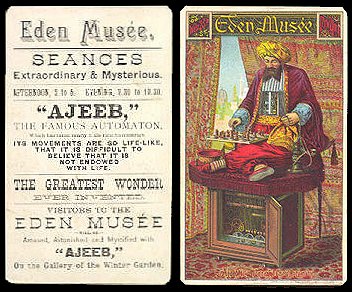
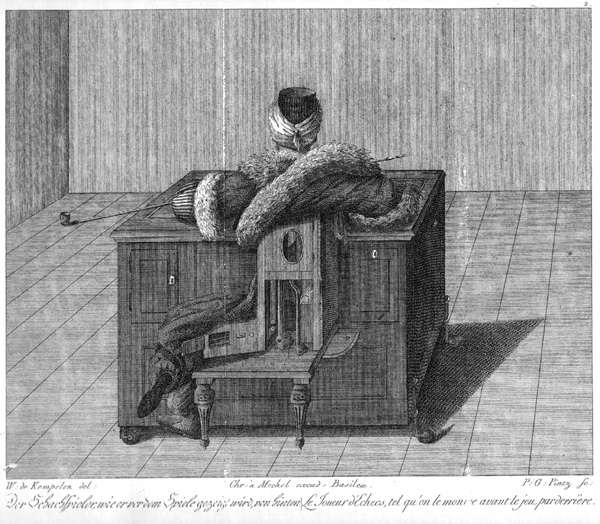


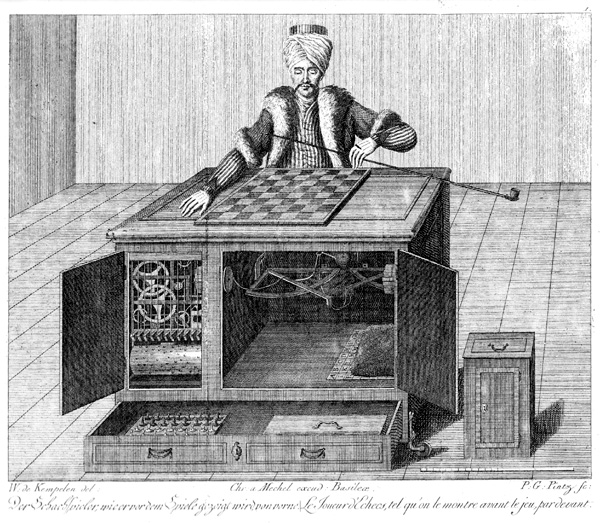
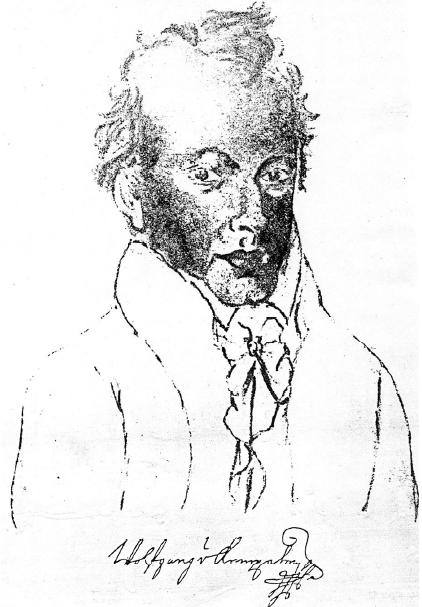


How it actually worked
Investigators eventually determined that the Turk was not an autonomous thinking machine but a staged trick—a mechanical illusion and, by modern standards, a hoax. A concealed human operator sat inside the cabinet and manipulated the chess pieces via hidden controls. With strong players concealed within, the machine achieved a high win rate against many challengers.
Famous figures who faced the Turk included Napoleon Bonaparte and Benjamin Franklin. Several professional chess players served as the hidden operators over the years: Johann Allgaier, Hyacinthe Henri Boncourt, Aaron Alexandre, William Lewis, and Jacques Mouret, among others such as William Schlumberger.
Although the Turk was an elaborate deception rather than an early computer, its fame influenced later discussions about machines, intelligence, and performance in public demonstrations.
Questions and answers
Q: What was the Turk?
A: The Turk was a trick chess-playing machine that was first put on show in 1770. It could play chess against a human and also perform the knight's tour.
Q: Who built the Turk?
A: Wolfgang von Kempelen built the Turk in 1770 to impress Empress Maria Theresa of Austria.
Q: Was it a real machine?
A: No, it was not a real machine but rather an illusion created by having a person inside working the controls.
Q: Who were some of the people who played against the Turk?
A: Napoleon Bonaparte and Benjamin Franklin were two of many people who played against the Turk.
Q: How did it win most games?
A: With a skilled chess player hidden inside, the Turk won most games.
Q: Who were some of those skilled players hidden inside?
A: Johann Allgaier, Hyacinthe Henri Boncourt, Aaron Alexandre, William Lewis, Jacques Mouret, and William Schlumberger were all skilled chess players hidden inside to make sure that the Turk won most games.
Q: When did it stop being used? A:The use of The Turk stopped when it was destroyed in a fire in 1854.
Related articles
Author
AlegsaOnline.com The Turk: 18th-Century Chess Automaton and Concealed-Human Hoax Leandro Alegsa
URL: https://en.alegsaonline.com/art/99011
Sources
- books.google.com : books.google.com/?id=3VrPAAAAMAAJ
- books.google.com : books.google.com/?id=HrBAAAAAcAAJ
- chessbase.com : The Rook Endgame Machine of Torres y Quevedo
- en.wikisource.org : Wikisource
- time.com : Mystery of the Month
- salon.com : 'I make $1.45 a week and I love it' · web.archive.org